This guide walks you through the process step by step in a clear, no stress way, whether you have a gas water heater or an electric water heater.
Knowing how to turn off water heater systems is one of those homeowner skills you hope you never need, until you really do. Whether there is a leak in the basement, you smell gas, you are leaving town for an extended period, or your unit is making strange noises, shutting the system down correctly can prevent damage, save energy, and protect your house.
At Heritage Services, we help homeowners every day with water heater service, emergency repairs, and replacements.
Why You Might Need to Shut Off Your Water Heater
There are several common reasons homeowners need to shut off a hot water heater:
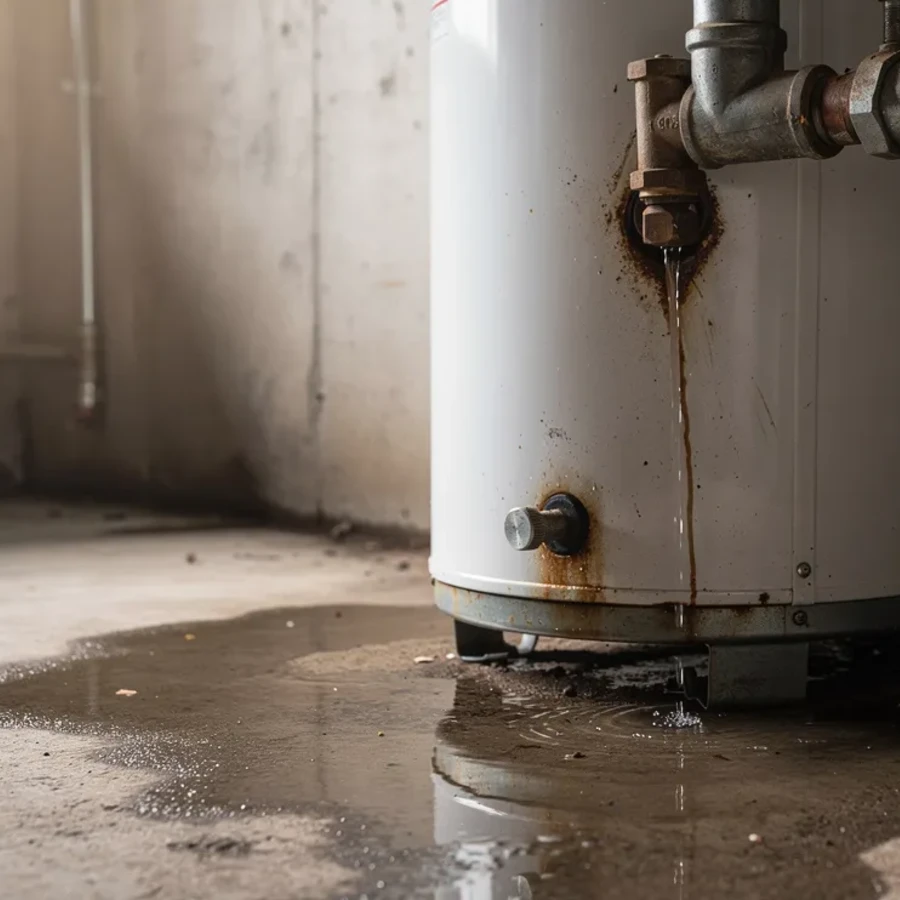
- You notice leaks around the tank or pipe connections
- The unit is making strange noises or popping sounds
- You smell gas near gas units
- You are leaving your house for vacation or an extended period
- Plumbing repairs are needed
- You plan to replace your hot water heater
In all of these situations, shutting the system down safely is the first step.
Precautions Before Turning Off

Before you begin the process of turning off your water heater, it’s important to take a few key precautions to protect both your home and your safety. If you ever smell gas near your gas water heater, do not attempt to shut it off yourself—leave the area immediately and contact your gas utility company or call 911, as this could indicate a dangerous gas leak. For electric water heaters, always switch off the power at the circuit breaker before touching the unit to avoid the risk of electrical shock. Locate the cold water supply line, typically marked with a blue handle or blue valve, and make sure you know where the shut off valve is before starting. If you have a gas water heater, identify the gas supply valve on the gas line so you can shut off the gas supply safely. Following a step by step guide and taking these precautions will help ensure the process goes smoothly and safely, whether you’re dealing with a gas or electric unit.
Gas Water Heater vs Electric Water Heater
Before touching anything, you need to know what type of system you have. The process is similar in many ways, but power and fuel sources are different.
- A gas water heater connects to a gas line and uses a gas supply.
- An electric water heater runs on electricity through a circuit breaker.
Most systems are located in the basement, garage, or a utility room. It’s important to have easy access to your water heater and its shutoff valves for maintenance, emergencies, or troubleshooting. In Oklahoma City, plumbing code requires a sediment trap downstream of the gas shut-off valve and an easily accessible water shut-off valve on the same floor as the heater. If you are unsure, a plumber can help you identify the unit quickly.
Step by Step Guide for Turning Off a Gas Water Heater
If you have a gas water heater, follow these steps carefully.
Step 1: Locate the Control Knob
Find the control panel on the front of the heater. There will be a control knob with temperature settings.
Turn the control knob to the off position. This stops the burner from heating water.
Step 2: Shut Off the Gas Supply
Next, locate the gas supply valve on the gas line. The valve handle is usually a lever.
- When the valve handle is parallel to the gas line, gas is on.
- When it is perpendicular, gas is shut off.
Turn the gas shut off valve so it is perpendicular to the gas line.
If you ever smell gas, treat it as an emergency. Shut the gas supply valve immediately, open windows for air, leave the house, and call a professional.
Step 3: Turn Off the Cold Water Supply Line
Find the cold water supply line entering the top of the tank. This is often marked with a blue valve or blue handle on the cold side.
Turn the shut off valve clockwise to stop water flow into the unit.
Step 4: Open a Hot Water Faucet
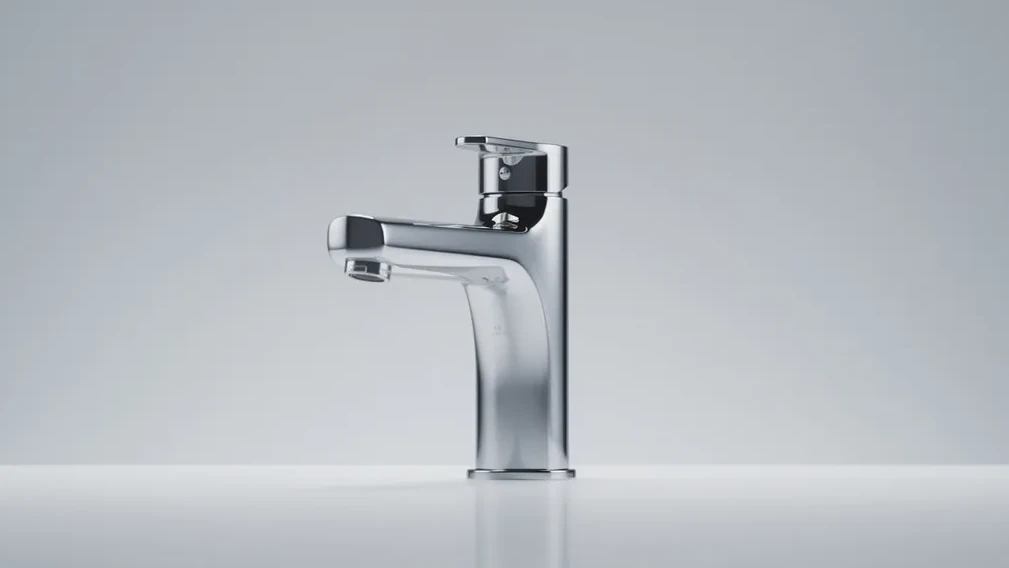
hot water faucet at a sink
Step 5: Drain the Tank if Needed
If you need to drain the tank for service or repair:
- Attach a garden hose to the drain valve near the bottom of the tank
- Run the hose to a floor drain or outside
- Open the drain valve slowly
Hot water may come out, so be careful.
Step by Step Guide for Turning Off an Electric Water Heater
Step 1: Turn Off Power at the Circuit Breaker
Locate your main electrical panel. Find the circuit breaker labeled water heater and switch it to the off position.
Do not skip this step. An electric heater can be damaged if it runs without water.
Step 2: Shut Off the Cold Water Supply
Just like with gas units, find the cold water supply line at the top of the tank. Turn the blue valve or shut off valve clockwise to stop water flow.
Step 3: Open a Hot Water Faucet
Open a hot water faucet to relieve pressure and allow air into the system.
Step 4: Drain the Tank if Needed
Attach a garden hose to the drain valve. Place the other end where water can safely drain. Open the valve slowly.
Safety Precautions for Water Shut-Off

When it’s time to shut off the water supply to your water heater, safety should always come first. Start by locating the main water shut-off valve, which is usually found near your water meter or where the main water supply line enters your house. Turn the valve handle to the off position to stop the flow of water. If you have a gas water heater, double-check that the gas supply valve is fully closed to prevent any risk of gas leaks. For electric water heaters, make sure the power is switched off at the circuit breaker before proceeding. If you need to drain the tank, connect a garden hose to the drain valve and direct the water to a safe location. Always be mindful of the pressure relief valve—if it’s leaking or damaged, do not attempt repairs yourself. If you’re unsure about any part of the process, or if you notice leaks or other issues, it’s best to call a professional plumber to handle the water shut-off safely.
Understanding the Valves and Pipes
Most water heaters have two pipes at the top:
- One pipe brings cold water in
- One pipe sends hot water out
The cold side is where the shut off valve is usually located. The pressure relief valve is also important. It releases pressure if the system overheats.
If you notice leaks near any valve, pipe, or hose connection, shut the system down and call for service.
What About Vacation Mode
Some newer systems include a vacation mode. This setting reduces energy use while keeping the system safe.
For traditional tank systems, turning the unit off and shutting the water supply is often safer during long trips.
When Shutting Off Is Not Enough
Shutting down a unit is a temporary solution. If your system is:
- Making strange noises
- Losing hot water quickly
- Showing visible leaks
- Near the end of its typical lifespan
It may be time to think about repair or replacement. Midway through ownership, many homeowners decide to replace your hot water heater rather than continue fixing an aging tank.
Troubleshooting Common Issues
If your water heater is making strange noises, leaking, or not providing hot water, it’s important to troubleshoot these issues before shutting the system down. Start by checking the temperature and pressure relief valve to make sure it’s functioning properly and not stuck or leaking. For a gas water heater, inspect the gas supply line and gas supply valve for any signs of leaks or damage—if you notice anything unusual, shut off the gas and call a professional. With electric water heaters, check the circuit breaker and ensure the power switch is in the correct position. If your water heater has a vacation mode setting, make sure it’s not activated, as this can affect hot water production. Also, verify that the cold water supply line and shut-off valve are fully open to allow proper water flow. If you continue to experience problems such as leaks, lack of hot water, or persistent strange noises, it’s time to contact a plumber for repair or further diagnosis. Always prioritize safety when dealing with gas, electricity, or water supply issues.
Common Mistakes to Avoid
- Forgetting to turn off power at the circuit breaker
- Draining the tank while power is still on
- Forcing a stuck valve handle
- Ignoring warning signs like leaks or strange noises
If something does not feel right, stop and call a professional.
Why Heritage Services Is the Right Call
At Heritage Services, we handle everything from emergency shut downs to full water heater replacement. We help homeowners locate valves, shut systems down safely, and determine whether repair or replacing is the better option.
We service gas and electric systems, handle plumbing connections, and make sure everything is safe before power and water are restored.
Stay Safe & Prepared

Learning how to turn off water heater systems is a simple skill that can prevent big problems. Whether you are dealing with an emergency, planning maintenance, or preparing for a replacement, knowing the process keeps your home protected.
If you ever feel unsure, notice leaks, smell gas, or need professional service, Heritage Services is here to help. From routine maintenance to full system replacement, our team keeps your hot water running safely and efficiently.
When it comes to your water heater, it is always better to act early than react late. Contact us today!