There’s no single “best” HVAC system for every home. The right choice depends on several factors, including layout, budget, and long-term plans. At Heritage Services, we help homeowners approach HVAC replacement with clarity and make choices that can improve comfort and even positively affect home resale value.
So if you’re trying to understand how to buy a new HVAC system, this guide breaks it down clearly.
1. Understand How an HVAC Unit Works Before You Buy
Before choosing a new unit, it helps to understand the basics of how it actually works. Your HVAC system (which stands for heating, ventilation, and air conditioning) is responsible for keeping your home warm in winter, cool in summer, and comfortable all year round.
In cooling mode, the air conditioner pulls heat and moisture out of the air and pushes it outside using a refrigerant cycle and condenser coils. This process is often measured in British thermal units, which indicate how much heat the system can remove from your home. For heating, your system might rely on a gas furnace, an air source heat pump, or a combination of both. Inside, an air handler moves the treated air through your ducts to different rooms.
2. Know the Key Factors That Impact HVAC System Performance in OKC
Here in the Oklahoma City area, summers are hot and humid, and winters can dip into the 20s. So the system you choose has to be able to handle both heating and cooling efficiently. Some of the key factors that affect system performance include your home’s square footage, insulation levels, window placement, and sun exposure. Additionally, if your attic isn’t insulated well or your ductwork leaks, even the best new HVAC system will struggle.
That’s why properly sized systems and good airflow matter just as much as brand names or features. A good HVAC contractor will walk through these factors during an on-site consultation.
3. Decide Between a Central Air Conditioning System or a Mini Split
Most homeowners go with either a central air conditioning system or a mini split system. Both can offer quiet operation and high energy efficiency, but it comes down to your home’s layout and what kind of installation is realistic.
The main difference:
- Central AC systems use ducts to push air throughout the entire house. If you already have working ductwork, this option usually makes the most sense.
- Mini split systems (also called ductless systems) are great for homes without ducts, new additions, or areas where you want independent temperature control.
4. Compare Cooling System Options Based on Your Home’s Layout

Your home’s layout plays a big role in what type of cooling system is best. For instance, open-concept homes with high ceilings might need more powerful cooling equipment, while older homes with smaller rooms may do better with zoning or mini splits.
Also, multi-story homes often need more than one air conditioning zone to maintain comfort on each level. A good HVAC installer will look at airflow patterns, vent placement, and room-by-room needs to help you choose the right system type.
5. Don’t Overlook the Benefits of a Heat Pump in Oklahoma’s Climate
A heat pump is a versatile system that provides both heating and cooling. It works like an air conditioner in the summer and reverses its process to pull heat into your home during the winter. In a place like Oklahoma, where winters aren’t brutally cold, air source heat pumps are a cost-effective way to control comfort without needing a separate furnace. They also offer high efficiency, especially when paired with a variable speed compressor that adjusts output based on demand.
6. Choose the Right-Sized HVAC Unit for Your Home
If your new HVAC unit is too small, it’ll run constantly and still struggle to keep up. But if it’s too big, it’ll cycle on and off too often, wearing out faster and doing a poor job at dehumidifying. Sizing is based on more than just square footage. A proper load calculation includes insulation quality, window size, ceiling height, and other details. Ask your contractor to do this before giving you an estimate, and don’t just settle for a guess based on your old system. At the end of the day, the right capacity prevents issues related to oversized or undersized units, such as insufficient cooling or heating.
7. Learn the Difference Between an AC Unit and a Full Heating and Cooling System
If your AC unit is failing but your gas furnace is in good shape, you might only need a new air conditioner. But if your current system is over 10–15 years old, it might be smarter to replace everything together.
A full heating and cooling system gives you better compatibility, updated energy efficiency ratings, and usually better deals when bundled. Talk to your contractor about what makes sense financially and long-term for your home.
8. Factor in Energy Efficiency Ratings

Energy ratings can tell you how well a new system performs without driving up your energy bill. For cooling, check the Seasonal Energy Efficiency Ratio (SEER). The higher the number, the more efficient the cooling system. For heating, look at the Annual Fuel Utilization Efficiency (AFUE) if you have a furnace.
Also, look for systems with variable-speed compressors, which adjust based on demand and use less energy than single-speed units. Higher efficiency usually means a higher upfront cost, but it pays off in long-term savings.
9. Ask Local HVAC Installers About System Warranties and Lifespan
Before signing off on your HVAC installation, ask about warranties. Most manufacturers offer 10-year parts warranties, but many don’t cover labor unless you register the equipment within a certain timeframe.
Local companies like Heritage Services also offer workmanship warranties that cover the installation itself. And don’t forget to ask about average system lifespan. A new HVAC system can last 15–20 years with proper maintenance, but that depends on the unit, usage, and climate.
10. Evaluate the Pros and Cons of Central Air vs Ductless Mini Splits
Still torn between central air and a mini split? The difference:
- Central air is ideal for whole-house comfort and works best if your ducts are in good shape. It can be quieter and less visible, but it isn’t always the most flexible.
- Mini split systems give you more control by letting you set different temperatures in different zones. They’re perfect for rooms that get too hot or too cold, garages, upstairs bedrooms, or areas not served by your current system.
11. Get a Professional Load Calculation Before Picking a New System
We mentioned this earlier, but it deserves its own section: Don’t buy based on square footage alone. A real load calculation (also called Manual J) looks at your insulation, number of windows, orientation to the sun, and other factors that affect cooling capacity.
If your HVAC installer doesn’t offer this step or tries to skip it, you may want to get a second opinion. It’s one of the most important parts of choosing the right new HVAC setup.
12. Ask How the Air Conditioner Works With Your Existing Ductwork

Ducts are a huge part of how well your air conditioner works. If your ducts are leaking or undersized, even the best new air conditioner won’t perform properly. So, ask for a duct inspection during your estimate. You might need some sealing or resizing to get the best performance out of your cooling equipment.
Also, it’s wise to make sure your ducts are sealed and insulated to prevent energy loss or significantly reduce long-term energy costs. In fact, many homeowners invest heavily in insulation and weather-sealing to reduce energy loss, so make sure you don’t overlook yours.
13. Consider Smart Thermostat Compatibility With Your New HVAC System
Most new HVAC units work well with smart thermostats, but double-check before you buy. These thermostats help you schedule temperatures, track usage, and make your home more efficient automatically. They also come in handy during extreme weather swings here in Oklahoma; you can monitor or adjust temps remotely and make sure your system is working properly even when you’re not home.
14. Research Local Rebates and Energy Incentives in the OKC Metro
Did you know you might qualify for rebates on energy-efficient systems? Some HVAC programs offer incentives if you upgrade to a high-efficiency central AC system or heat pump. These programs are becoming even more relevant as new 2025 regulations phase out R-410A refrigerant in favor of lower global warming potential refrigerants like R-454B or R-32, which are often found in newer, energy-conscious systems.
Check with your utility provider or talk to your HVAC contractor about available offers. Taking advantage of rebates can help offset the upfront cost of a new heating or cooling unit while keeping your home compliant with updated standards.
15. Choose a Trusted Local HVAC Installer
The HVAC installer you choose is just as important as the brand of equipment you buy. A knowledgeable HVAC contractor can assess your home and install your system according to permits and safety standards. A trustworthy HVAC provider should operate with transparency and good communication throughout the installation process. Additionally, they should show verification of bonding and insurance, plus any required contractor’s licenses.
Look for a company with great reviews, solid experience, and check with your local Better Business Bureau and consumer affairs office for complaint records against contractors. Ask for referrals from neighbors, family, or business associates. It’s important to ask the installer for past customers about their experience.
At Heritage Services, we’ve been helping homeowners and businesses in the Oklahoma City metro since 1967. Our team is fully licensed, fast to respond, and focused on getting the job done as efficiently as possible.
16. Schedule a Home Evaluation to Get Custom HVAC Recommendations
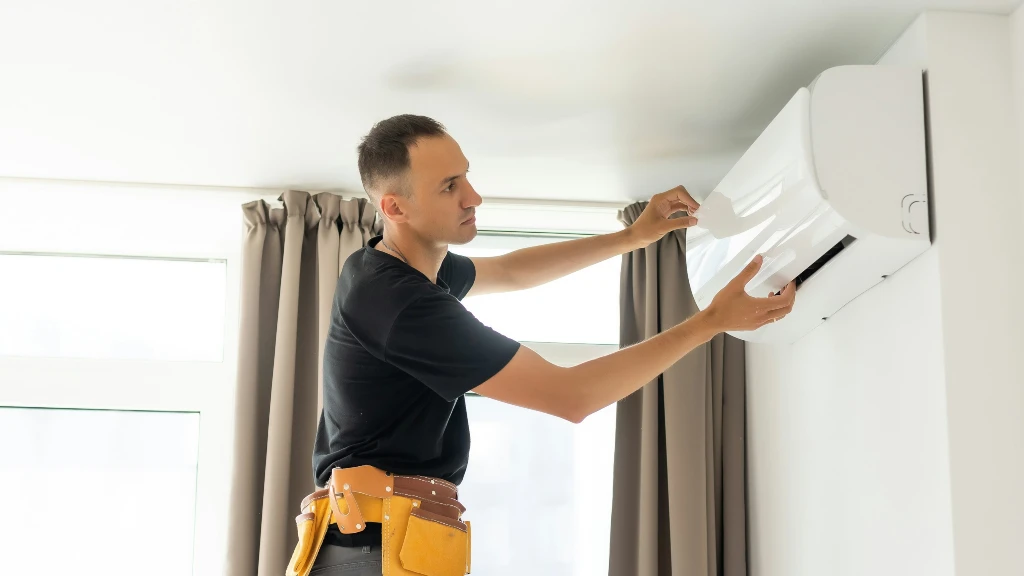
Before you choose your new system, schedule a professional home evaluation. This gives your contractor a chance to look at your old unit, measure airflow, check insulation, and talk through your comfort goals. This step also helps catch problems early, like leaky ducts or poor airflow, that could make your new HVAC struggle from day one.
17. Compare Quotes From Multiple HVAC Installers in OKC
It’s important to feel confident in your new HVAC installation by consulting with several dealers, so don’t go with the first quote you get. Talk to at least two or three local companies. Compare not just the cost, but the system type, warranty terms, efficiency levels, and included services like ductwork modifications or thermostat upgrades.
Also, be wary of prices that seem too good to be true—they often are. A low bid may skip important steps or use cheaper equipment that doesn’t hold up over time.
18. Plan for Ongoing Maintenance to Keep Your HVAC Unit Running Smoothly
Once your new HVAC system is up and running, keep it that way with regular maintenance. That includes changing your air filters, scheduling seasonal tune-ups, and watching for any unusual noise levels or airflow issues. Additionally, post-installation testing for airflow, refrigerant levels, and thermostat calibration is critical for HVAC system performance.
Some maintenance tips to keep in mind:
- Air source heat pumps should be serviced once every one or two years.
- Changing air filters is a maintenance task that homeowners can do themselves.
- Gas furnaces should be checked once a year for optimal performance.
- Sealing your ducts will keep you cooler in the summer and warmer in the winter.
Many manufacturers require regular professional maintenance to keep your warranty valid, which is why staying consistent matters. Most HVAC contractors offer maintenance plans that make it easy to stay on schedule while helping catch small issues before they turn into costly repairs. Routine service can also extend the life of your system and keep your home comfortable year-round. If you’re looking for reliable HVAC system maintenance in Oklahoma City, OK, our team is here to help keep your system running at its best.
Your Home Deserves Better Heating and Cooling. Let’s Make It Happen.
At Heritage Services, we’ve helped Oklahoma City homeowners for over 50 years with reliable, high-quality HVAC installation, repairs, and maintenance. If you’re weighing your options, a good rule of thumb is to replace HVAC systems if they are 10–15 years old or repair costs exceed $5,000 multiplied by the unit’s age. Whether you’re dealing with an aging central system, relying on window ACs, or looking to upgrade to a more energy-efficient setup, our team can help you decide what truly makes sense for your home.
We also believe prevention goes a long way. Regular inspections can maximize the performance and overall lifespan of the HVAC unit, helping you avoid surprise breakdowns and costly repairs. Call
405-348-5555 or visit our website to schedule a maintenance service or for a no-pressure home evaluation.