When Oklahoma temperatures take a sudden dive, homeowners start asking the same question: how to prevent frozen pipes in Oklahoma winters before they become a costly mess. Frozen pipes can turn a quiet winter morning into a plumbing emergency fast. A burst pipe can flood your home, damage walls and flooring, and leave you without running water when you need it most.
The good news is that a few simple steps can help protect your plumbing system before the next cold snap hits. At Heritage Services, we provide emergency plumbing repairs across Oklahoma, and we have seen firsthand how quickly freezing weather can turn a small oversight into a major mess.
Why Frozen Pipes Are a Common Winter Problem in Oklahoma
Oklahoma weather has a way of changing fast. One afternoon may feel mild, and by night, freezing temperatures can settle in for extended periods. When this happens, pipes in vulnerable areas can freeze before many homeowners realize there is a problem.
The biggest risk comes when cold air surrounds water pipes and strips away the heat that normally keeps water inside, moving freely. As the temperature drops, ice begins to form, restricting flow and increasing pressure until the pipe can burst.
Why Water Pipes in Exterior Walls Freeze First
Plumbing installed in exterior walls has less protection from the cold than pipes located deeper inside the home. If the insulation is thin or gaps allow outside air to enter, the water line can freeze surprisingly quickly.
This is especially true when wind chills make extreme cold feel even harsher and the thermostat is set too low.
How Crawl Spaces Put Plumbing Lines at Risk
Crawl spaces often contain exposed pipes and water supply lines that are vulnerable to freezing. Because these enclosed spaces are not always heated, they can become just as cold as the outdoor weather.
Homes with pier-and-beam foundation systems are particularly susceptible if insulation is missing or damaged.
Insulate Water Pipes Before Temperatures Drop
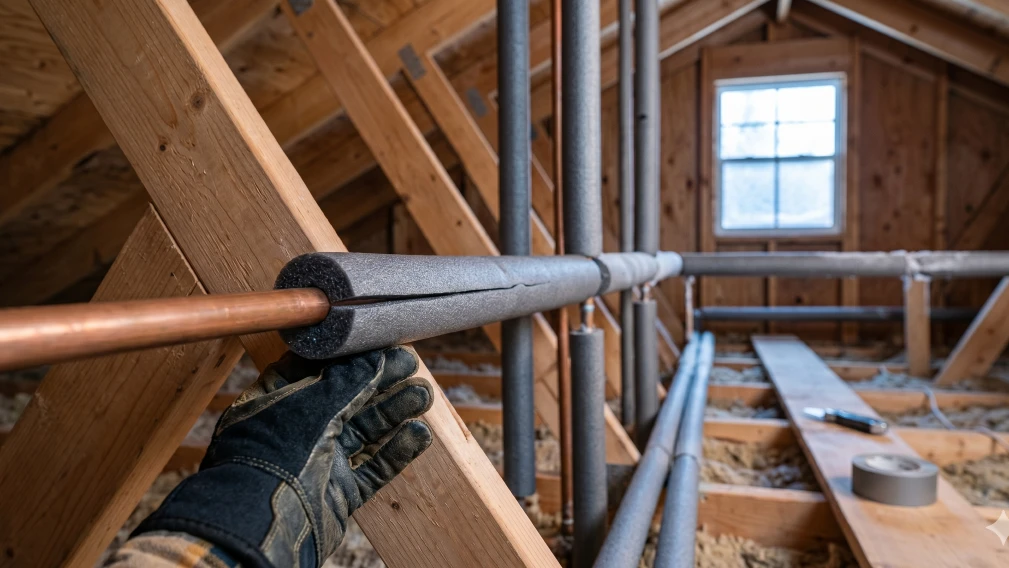
A simple and effective way to prevent your pipes from freezing is by adding insulation to exposed plumbing vulnerable to cold air. This easy measure can significantly safeguard your home during winter. Installing pipe insulation on any exposed pipes is one of the best strategies to avoid frozen pipes.
Foam sleeves are inexpensive, easy to install, and highly effective at slowing heat loss. They help protect both hot water and cold water lines in attics, basements, garages, and crawl spaces.
The Best Way to Protect Pipes in Unheated Areas
Focus on any section with easy access, including:
- Basements
- Garages
- Utility rooms
- Attics
- Under kitchen and bathroom sinks
Even a small amount of insulation can matter when temperatures stay below freezing for several hours.
Don’t Forget Hose Bibs and Outdoor Faucets
Outdoor hose bibs are among the first plumbing fixtures to freeze in winter.
Disconnect hoses, drain any remaining water, and install insulated covers over each faucet. This simple step helps protect the connected water service and reduces the chance of frozen plumbing lines inside the wall.
Seal Drafts That Cause Pipes To Freeze
Cold air entering through gaps around pipes, vents, and doors can increase the likelihood that pipes freeze.
Check around:
- Garage doors
- Windows
- Pipe penetrations
- Crawl space vents
Sealing these openings helps retain heat and keeps cold air away from your plumbing system.
Common Air Leaks Around Plumbing Lines
Small openings around a water meter connection or where plumbing passes through walls can expose pipes to freezing air.
Use caulk or spray foam to close these gaps and improve insulation performance.
How Warm Air Helps Prevent Frozen Pipes
The goal is to maintain enough heat around the pipe so the water inside remains above freezing.
Even a few extra degrees can make the difference between normal water flow and a burst pipe.
Simple Steps To Keep Pipes From Freezing During a Cold Snap
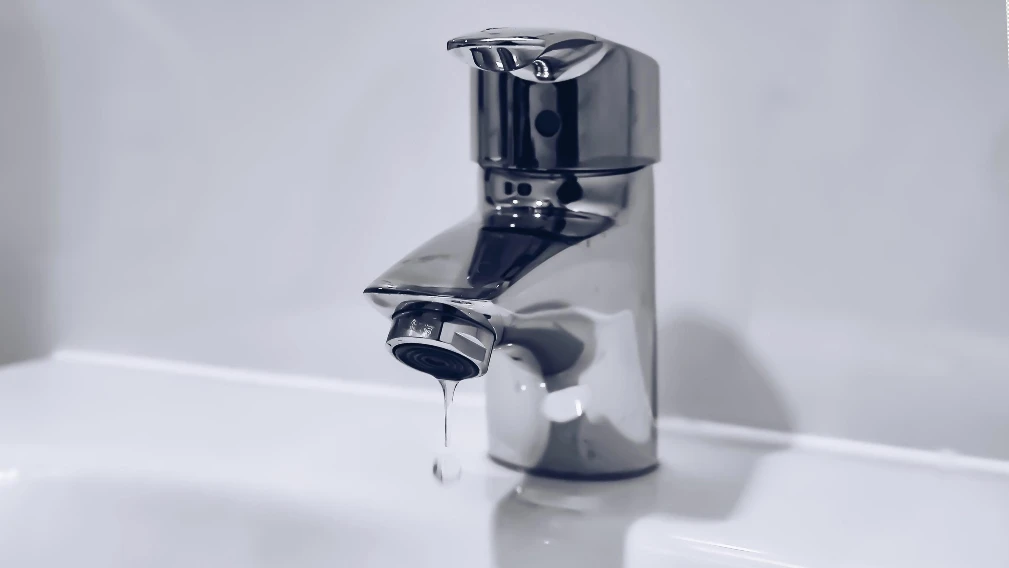
When temperatures are expected to remain dangerously low, a few quick precautions can help protect your home.
Let Faucets Drip to Keep Water Moving
Allow a steady drip or small trickle from at least one faucet served by vulnerable pipes.
Moving water is less likely to freeze, and this simple technique relieves pressure that can build behind ice.
Open Cabinet Doors to Protect Kitchen and Bathroom Pipes
Opening cabinets allows warm air to circulate around plumbing hidden against outside walls.
This is particularly useful during extreme cold when sink pipes are at greater risk.
What To Do If Your Pipes Freeze
If you turn on a faucet during cold weather and only a small amount of water comes out, the line may be frozen.
Do not panic, but don’t wait too long to act. As water freezes, it begins to expand inside the pipe. That expansion creates pressure that can crack the line and lead to serious leaks once temperatures warm back up.
Safe Ways to Thaw Frozen Pipes
Follow these safety guidelines:
- Keep the faucet open so that melting ice can gradually restore pressure.
- Use a hair dryer to warm the pipe slowly.
- Wrap towels soaked in hot water around the affected area.
- Apply approved heat tape according to manufacturer instructions.
- Position a space heater nearby only if the area is dry and well ventilated.
Never use a blow torch or other open flame to thaw pipes. Excessive heat can damage plumbing and create a fire hazard.
As temperatures rise, listen for the water flow to return and inspect carefully for leaks. Even a small crack can become a much larger problem once the pipe thaws completely.
When To Call Heritage Services for Emergency Plumbing Repairs

Sometimes, thawing one pipe reveals a hidden crack or a complete break in the line. If you notice reduced pressure, visible water damage, or water leaking after the pipe begins to thaw, shut off the water supply immediately and call a licensed plumber.
At Heritage Services, we provide emergency plumbing repairs throughout Oklahoma. Whether you are dealing with burst pipes, a damaged water line, or a complete loss of water service, our team is prepared to restore your plumbing system and help protect your home from future winter plumbing problems. Give us a call at 405-348-5555 or contact us via our website.