When it comes to HVAC system maintenance Oklahoma City, OK, one of the simplest yet most impactful tasks homeowners can perform is changing their air filter. This small component plays a crucial role in your indoor air quality, system performance, and energy efficiency.
Yet many homeowners ask: how often should you change your HVAC filter? The answer depends on several factors specific to your home and Oklahoma City’s unique climate.
Understanding Your HVAC Air Filter’s Role
HVAC air filters are designed to trap dust, allergens, and other particles to improve indoor air quality. As air circulates through your heating and cooling system, the filter acts as the first line of defense against pollutants, pollen, pet dander, and countless other particles that would otherwise circulate throughout your house. This filtration process protects both your health and your equipment.
Your air handler or furnace relies on proper airflow to function efficiently. When a dirty filter accumulates too much dirt and debris, it creates a pressure drop that forces your HVAC system to work harder. This reduced air flow means your unit consumes more energy, leading to higher energy costs and potential system breakdowns.
Filter Types and Replacement Schedules
Fiberglass Filters
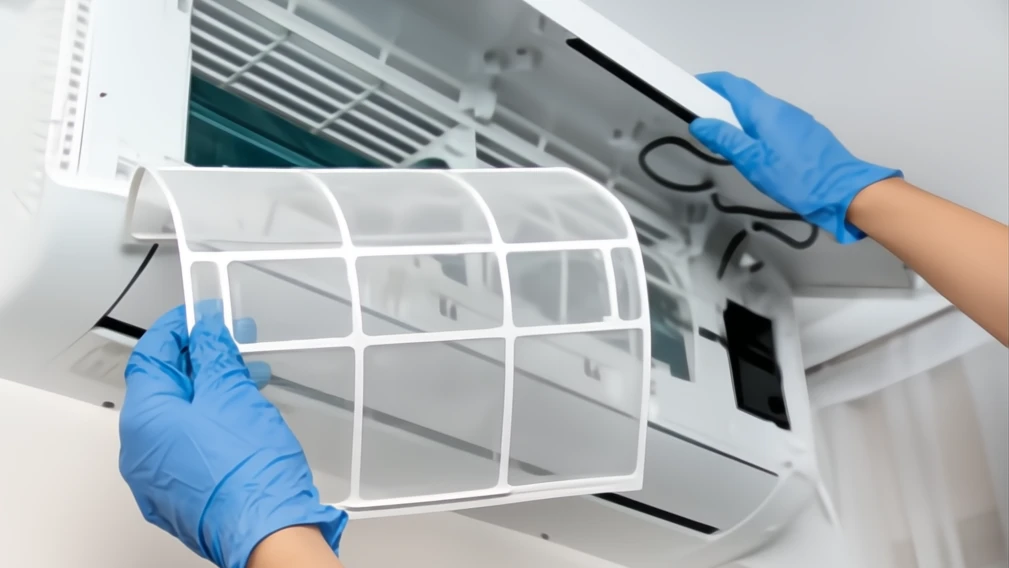
Fiberglass filters are the most basic and affordable option for HVAC systems. These cheaper filters typically feature a merv rating between 1-4, meaning they capture larger particles but miss many small particles. Standard fiberglass filters (1-2 inch) should be changed every 1-3 months, though most experts recommend replacing them every 30 days due to their lower quality and limited filtration capability.
Pleated Filters
Pleated filters have a larger surface area than fiberglass filters, allowing them to trap more particles. These filters can last up to 90 days before needing replacement, making them a popular choice among homeowners. Pleated filters typically last 60 to 90 days and offer better filtration while maintaining adequate airflow for your ac and heating systems.
HEPA and High-Efficiency Filters
HEPA filters are the most effective at trapping small particles, including allergens and pollutants. These high efficiency filters may need to be replaced every six to twelve months, depending on usage and air quality. However, using a filter with a MERV rating higher than recommended can impair HVAC system performance by restricting airflow too much, so always consult your HVAC technician before upgrading to higher merv ratings.
Oklahoma City’s Climate Considerations

For optimal performance in Oklahoma City’s climate, HVAC filters should be checked monthly and replaced every 1-3 months depending on type and conditions. High pollution levels and environmental factors in Oklahoma City can lead to faster filter saturation compared to other regions, making regular inspection essential for maintaining your air conditioning system and furnace.
Peak seasons in Oklahoma City, especially summer and winter, require monthly filter checks and may necessitate changes every 30 to 45 days due to increased usage. When your cooling system runs constantly during sweltering summers or your heating works overtime during winter, the filter traps more contaminants and reaches capacity faster.
Environmental factors such as dust, pollen, and pets necessitate more frequent filter changes in Oklahoma City, sometimes every 30-60 days during peak season. The region’s unique combination of seasonal allergens and dust storms means your return air duct sees higher volumes of particles than in many other locations.
Household-Specific Replacement Guidelines
As a baseline, most air filter manufacturers and HVAC companies recommend changing your air filter every 90 days, or 3 months. However, your specific situation may require adjustments:
For pet owners: If you have pets in the home, you should consider changing your filter every 60 days, or 2 months. Pet hair and pet dander accumulate quickly and can significantly reduce air quality while forcing your system to work harder.
For allergy sufferers: For homes with multiple pets or people with allergies or respiratory conditions, it is recommended to change your filter every 20-45 days. This frequent filter replacement helps minimize allergenscirculating through your air and provides relief for sensitive individuals.
For vacation properties: Every 9-12 months vacation homes or vacant homes that don’t see much use can typically wait to change out filters. The more you use your home, the more you need to change your air filter.
Signs Your Filter Needs Immediate Replacement
You should at least check the filter every 30-90 days, depending on the type of filter, and change it if it’s dirty. Visually inspecting your air filter monthly can help determine if it needs replacing. A clogged filter displays obvious signs:
- Dark discoloration across the surface
- Visible accumulation of dust and debris
- Reduced airflow from vents
- Increased energy bills
- Unusual odors when the system runs
- More frequent cycling of your furnace or air handler
The Consequences of Neglecting Filter Changes

Neglecting to change HVAC filters can lead to increased energy bills due to the system working harder to pull air through a clogged filter. Studies show that regular filter maintenance can result in lower energy bills and improved system performance.
A dirty air filter can cause the HVAC system to fail, leading to costly repairs or replacements. Clogged filters can allow allergens and pollutants to circulate in the home, potentially causing health concerns for your family. The restricted airflow forces moving parts to work harder, accelerating wear and creating a domino effect that compromises your entire HVAC.
Regularly replacing air filters can extend the life of HVAC components by reducing wear and tear. Changing air filters helps prevent dust buildup in the HVAC system, which can lead to decreased efficiency and protects your investment in comfort.
Best Practices for Filter Maintenance
Choose the correct size: Using the correct size air filter is essential for optimal HVAC system performance. Check your filter size on the existing filter frame or consult your system manual.
Install properly: Improper installation of an air filter can impede airflow and reduce its effectiveness. Look for arrows indicating airflow direction and ensure the filter fits snugly in its slot.
Select the right filter: Consider your specific needs when choosing between basic fiberglass filters, mid-range pleated filters, or premium hepa options. The right filter balances filtration efficiency with proper airflow for your particular system.
Set a schedule: Setting a schedule for changing HVAC filters can help you remember to maintain them regularly. Many homeowners mark their calendars or set phone reminders based on their usage patterns.
Support your system: Regular vacuuming can help reduce the amount of dust and debris that gets into your air filter. Using air purifiers can help reduce the workload on your main air filter, while maintaining clean ductwork can help reduce the amount of dust and debris circulating through your HVAC system.
Breathe Easier with Regular HVAC Filter Changes

Understanding how often should you change your HVAC filter empowers you to maintain healthy indoor air qualitywhile keeping your heating and cooling systems running effectively. For most Oklahoma City homes, checking your new filter monthly and replacing it every 1-3 months provides the optimal balance of performance and protection.
High-quality filters can improve HVAC system efficiency and lead to lower energy bills when maintained properly. Regular HVAC filter maintenance is crucial for maintaining indoor air quality and protecting your family’s health within your home environment.
Whether you choose to handle this task yourself or schedule regular HVAC system maintenance Oklahoma City OK with professionals like us at Heritage Services, prioritizing filter changes represents one of the most valuable investments you can make in your home comfort system. Don’t wait until your old filter causes problems—replace it proactively and enjoy cleaner air, better power efficiency, and a longer-lasting HVAC system for years to come. Contact us today