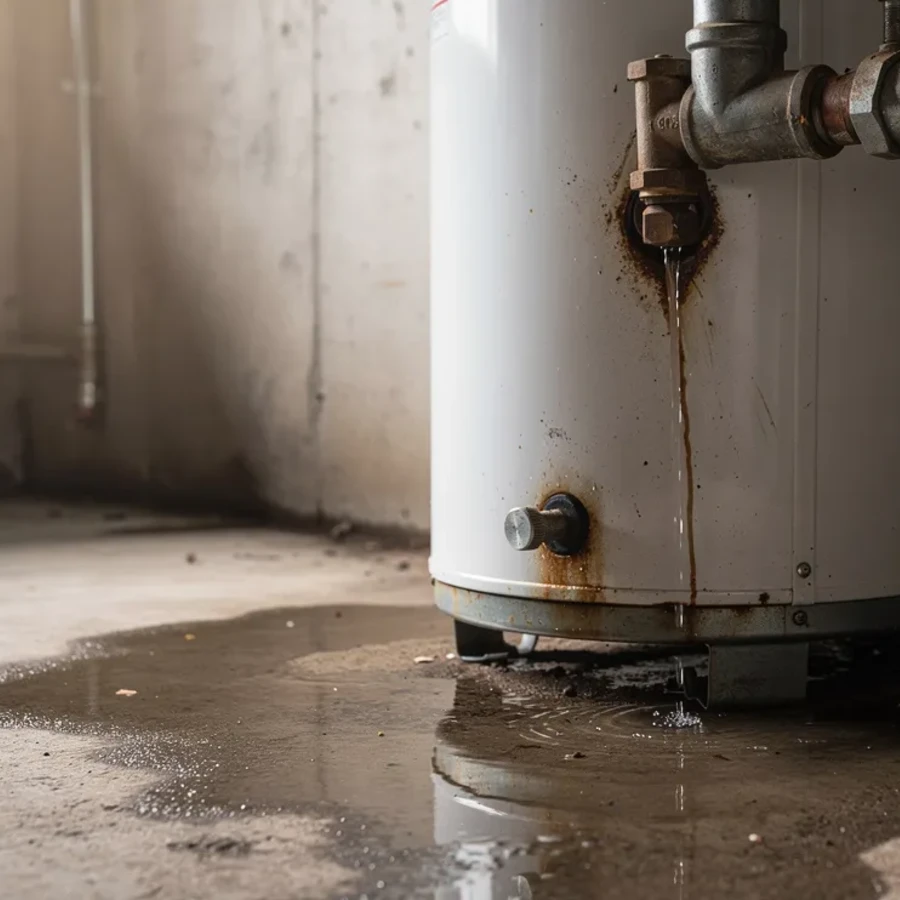
Let’s face it, no one likes a surprise cold shower. And yet, many homeowners don’t give a second thought to their hot water heater until something goes wrong. If you’re wondering, “How long does a hot water heater last?” you’re not alone—we hear this question all the time at Heritage Services.
Whether you’ve got a gas water heater tucked in your utility closet or an electric water heater humming in your garage, it’s important to know what kind of lifespan you can generally expect and how to stretch it as far as possible. Let’s break it down so you know what signs to watch for, what affects longevity, and when it might be time to consider a replacement.
The Average Lifespan of a Hot Water Heater
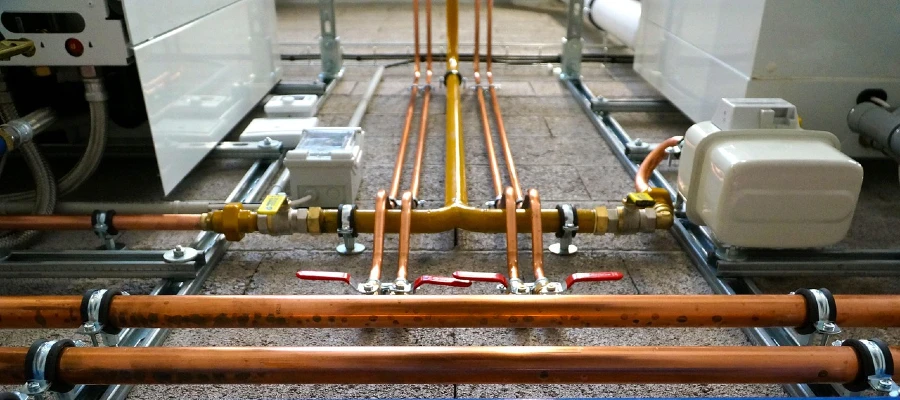
In general, the average lifespan of a traditional tank-style hot water heater ranges from 8 to 12 years. However, the exact lifespan of your unit can vary depending on whether you have a gas or electric model, the quality of the water in your area, how often the unit is used, and how well it’s maintained.
Older tanks are more likely to experience issues such as leaks or rust, and may need to be replaced to avoid unexpected failures.
- Gas water heaters typically last about 8 to 10 years.
- Electric water heaters usually hang in there a bit longer, averaging 10 to 12 years.
You can use the serial number on your hot water tank to determine its manufacturing date and see if it’s nearing the end of its expected lifespan.
Tankless water heaters (which are a different breed entirely) can last up to 20 years or more with proper care, but that’s a different topic for another day.
What Factors Affect Life Expectancy?
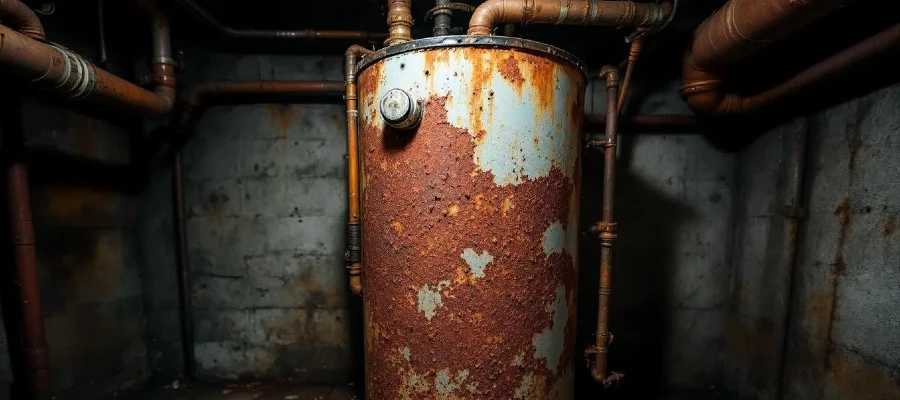
Your hot water heater doesn’t live in a bubble. Several real-world conditions can shorten or stretch its life. Rusting is a sign that your water heater’s life may be shortened, as it indicates corrosion and potential failure. If you notice rusting or other signs such as unusual noises or increased energy bills, these may indicate that factors are negatively impacting your water heater’s lifespan.
1. Water Quality
Hard water—full of minerals like calcium and magnesium—is a known villain when it comes to hot water heaters. Over time, these minerals settle at the bottom of your hot water tank, forming sediment that forces your heater to work harder than it should. Mineral buildup can also coat the heating element, impairing its ability to transfer heat efficiently. This not only reduces efficiency, but it can also lead to overheating, cracking, and premature failure.
2. Maintenance Habits
Regular maintenance is key. Simple steps like flushing your tank yearly to remove sediment, checking the anode rod, and inspecting the dip tube can keep your unit in good shape. Skipping these basic tasks shortens your heater’s life span by years.
Regular maintenance can also help fix small problems before they turn into major failures.
3. Usage
A big household means your unit heats more water more often. This repeated cycling causes wear and tear. A couple in a small house will typically get more years out of a heater than a family of five.
4. Temperature Settings
Cranking the thermostat too high may deliver piping hot showers, but it also stresses the system. A temperature setting of around 120°F is ideal for both performance and safety.
5. Installation Quality
Like any home appliance, proper installation is everything. An incorrectly installed heater can develop leaks, corrosion, or even dangerous pressure issues.
Water Heater’s Efficiency

When it comes to water heaters, efficiency is all about how well your unit can heat water while using the least amount of energy possible. For example, a gas water heater uses natural gas to heat the water in the tank, while an electric water heater relies on electric elements. The efficiency of your water heater depends on several factors, including the type of heater, its age, and how well it’s maintained.
Choosing an energy-efficient water heater can make a big difference in your monthly utility bills and reduce your household’s environmental footprint. Over time, even the best water heaters can lose efficiency due to sediment buildup or a worn-out anode rod, which is why regular maintenance—like flushing the tank and checking the rod—is so important. Keeping your water heater in top shape ensures it heats water effectively and doesn’t waste energy, helping you get the most out of your investment. Whether you’re considering a new model or looking to extend the life of your current tank, focusing on efficiency is a smart move for any household.
Warning Signs Your Water Heater Might Be on Its Last Legs

You don’t have to be a plumber to spot a tired old water heater. Keep an eye out for these signs:
- Rusty water: Often caused by rusting inside the tank or rusted pipes. There are two things that can cause rusty water: internal rusting in the heater or rust in the home’s pipes.
- Unusual noises: Popping, banging, or rumbling sounds usually mean sediment buildup.
- Leaks or puddles: Even a small leak from the tank or fittings is a big red flag.
- Water that doesn’t stay hot: Or water that takes too long to heat up.
- Pilot light keeps going out: For gas models, this might point to faulty components or issues with the burner.
If you notice one or more of these problems, it may be time to think about water heating installation with a new unit.
What Components Affect Performance?

Let’s talk about the inner workings of a hot water heater and how each part plays a role in both performance and life expectancy.
- Anode Rod: Attracts corrosive elements in water. If it’s gone, your water heater’s tank starts to rust fast.
- Dip Tube: Directs cold incoming water to the bottom of the tank so it can be heated evenly.
- Thermostat: Controls the water temperature. A faulty one can cause overheating or lukewarm water.
- Mixing Valve: It blends hot and cold water to maintain a safe outlet temperature.
- Heating Elements: In electric models, these elements directly heat water and can burn out over time.
- Burner: In gas models, the burner ignites to heat the water, and issues like mineral deposits or ignition failures can affect the water heater’s efficiency and safety.
How to Prolong the Life of Your Water Heater
You can make your hot water heater last longer with a little regular care:
- Flush the tank once or twice a year to remove sediment.
- Check the anode rod every couple of years.
- Inspect the thermostat and heating elements for proper function.
- Look for leaks or corrosion around the base.
- Install a water softener if you have hard water.
Following these simple steps can be an effective solution to prevent clogs, corrosion, and costly repairs. If you notice worn-out or malfunctioning parts, replacing those components is often a practical solution to extend the life of your water heater.
Is It Time to Replace Your Hot Water Heater?
Even with the best care, all heaters eventually reach their end. If your unit is over 10 years old, showing signs of rust, or leaking from the tank itself, it may be more cost-effective to replace rather than repair.
If you’re not sure, a plumber can help you evaluate the condition of your current system and whether it’s time for a new water heater. At Heritage Services, we don’t just install new systems—we help you find the right model for your home and water usage needs.
What Type of Water Heater Should I Get?
When it’s time for a new water heater, you’ll have some decisions to make.
- Gas vs. Electric: Gas models are faster and typically cheaper to operate, but electric units are easier to install and often more energy efficient.
- Tank vs. Tankless: Tankless models heat water on demand, offering endless hot water and a longer lifespan, but with a higher upfront cost.
- Size: Consider the number of people in your house and your daily hot water usage. Bigger families need bigger tanks—or possibly even dual units.
Heritage Services Can Help

If you’re tired of spotty showers, rising energy bills, or just wondering whether your old hot water tank is on borrowed time, give us a call. We specialize in water heating installation for gas and electric models in residential homes and commercial properties. Our licensed plumbers know how to install new units correctly and safely, with full attention to efficiency, temperature performance, and long-term value.
We’ll help you pick the right water heater based on flow rate, household demand, and temperature needs. And if you’ve got sediment build-up or mineral deposits in your old system, we’ll take care of it before it becomes a bigger issue.
Don’t Wait Until It’s Cold
The question, “How long does a hot water heater last?” really depends on a combination of water quality, usage, and care. But the truth is, if your heater is pushing a decade and starting to grumble, it’s probably time to start planning for a replacement.
Heritage Services is here to help every step of the way—from flushing your tank to full-on water heater replacement. Whether you’re looking for something energy efficient, compact, or just reliable, we’ve got the tools and know-how to get the job done.
Your hot water shouldn’t be a guessing game. Contact us today and get a free estimate on your next system upgrade!