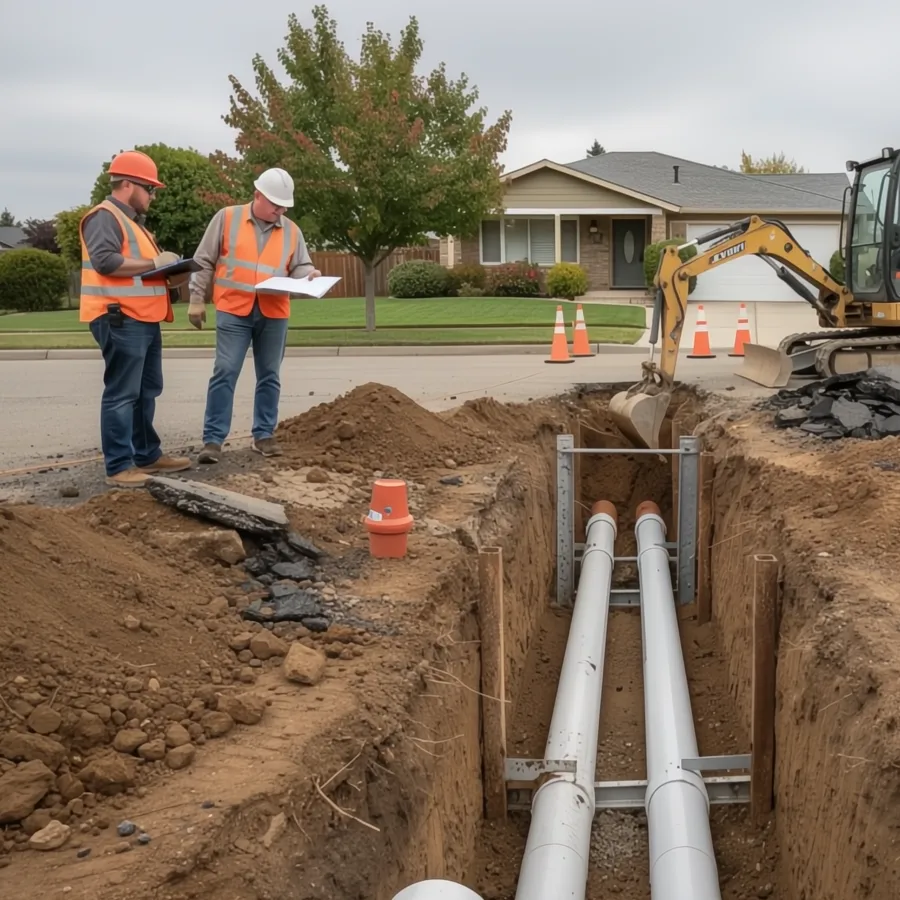
Modern plumbing is a marvel. If you’ve ever watched a show set in ancient Rome, you’ve seen those buckets being dumped onto the streets. Nothing like a surprise from above to ruin your morning stroll. Thankfully, things have changed.
But when did indoor plumbing actually become a thing? Heritage Services wasn’t around during the Roman Empire (sadly), but we know a thing or two about the systems that make life cleaner, comfier, and a whole lot less smelly. Let’s roll back the centuries and see how we went from digging holes to flushing in style.
Flushing Water Closets: A Plumbing History
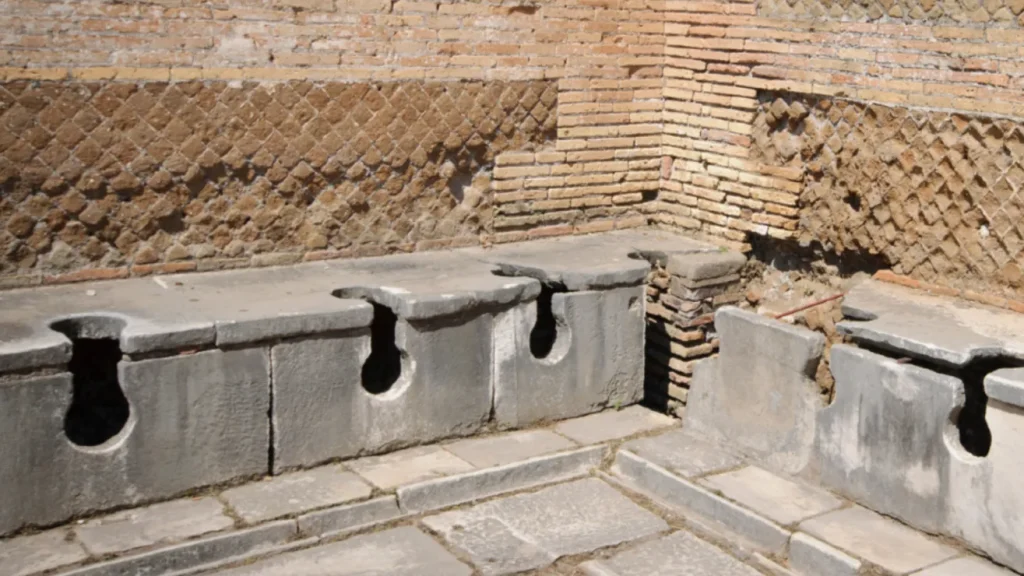
Indoor plumbing didn’t appear overnight. It took thousands of years, several brilliant civilizations, and plenty of trial and error to figure out how to move water in and waste out. When we look at the history of plumbing, it’s clear people have always wanted the same thing: running water without the mess.
Let’s take a quick world tour through time, with Heritage Services as your plumbing history tour guide.
Mesopotamia
The earliest signs of plumbing date back to ancient Mesopotamia, where clay pipes were used to carry waste away from homes and temples. These early systems were surprisingly organized, especially for the time. Wealthier homes even had drains built into their floors. It wasn’t exactly a cozy bathroom setup, but it beat a walk to the river.
Ancient Egypt
Leave it to the Egyptians to bring engineering into the mix. Around 2500 BCE, the Egyptians developed copper pipes and built copper piping into pyramids and palaces, mainly for ceremonial baths and handwashing. Their elite enjoyed water systems that the average person wouldn’t see again for centuries. And yes, even back then, the rich were bathing in style.
Ancient Roman Empire
The Romans took things to the next level. With sprawling aqueducts, public bathhouses, and multi-room latrines, Rome became the ancient world’s plumbing capital. They used lead pipes, stone channels, and advanced drainage to create what was, for its time, a sanitary system that actually worked. It wasn’t perfect, but it definitely set the standard.
Also, fun fact: the word “plumber” comes from the Latin plumbum, meaning lead. So technically, Heritage Services has Latin roots.
Aztec Society
Across the ocean, the Aztecs were also getting clever with water. In what is now Mexico City, they built floating gardens and freshwater aqueducts to bring clean water to their capital. They even had early versions of public toilets and drainage canals. Their use of gravity and slope was smart enough to impress any modern plumber.
Britain
Fast-forward to Britain, where things got messier before they got better. For a long time, folks were still throwing waste into the streets. It wasn’t until the 1800s that proper sewer systems started to appear in cities like London. And that’s when the flushing toilet, or “water closet,” started gaining traction in everyday homes.
But even before that, a few bold men had some ideas.
The Invention of the Modern Toilet: Meet the Men Who Flushed First
As cities grew and life became more crowded, so did the need for real plumbing systems. The invention of the modern toilet wasn’t just about convenience—it helped pave the way for comprehensive sewer systems, safer drinking water, and smarter ways to deal with solid waste. From early flush designs to cast iron pipes and pressurized water, the plumbing world was on the edge of a major upgrade.
Sir John Harington and the Royal Flush
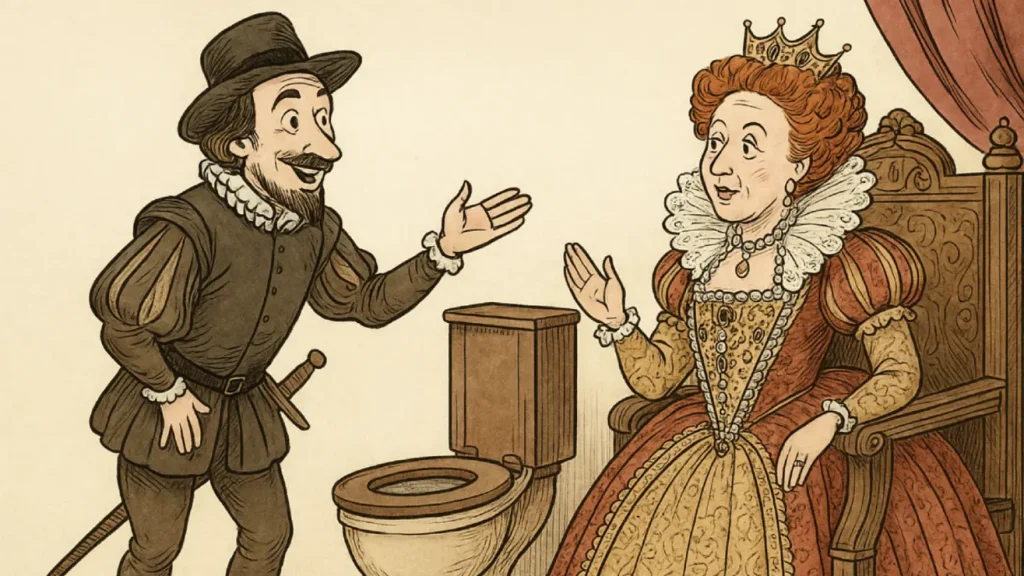
In 1596, Sir John Harington invented one of the first flushing toilets. He even installed one for Queen Elizabeth I, his godmother. She was intrigued but not exactly rushing to remodel the palace bathrooms. His design worked, but it lacked one crucial thing: a water trap to stop the stink from creeping back up. Still, it was a big step away from the chamber pot.
Alexander Cummings and the S-Shaped Breakthrough
Fast-forward to 1775. Scottish inventor Alexander Cummings patented a flushing toilet design that finally solved the odor problem. His version included an S-trap that allowed a little water to stay in the bowl, blocking sewer gases from wafting into the home. It wasn’t glamorous, but it was genius. His design laid the groundwork for the toilets we use today and helped move plumbing problems out of sight, where they belonged.
Indoor Plumbing and the Rise of Eight Water Closets
By the early 1800s, indoor plumbing was still a luxury. You’d mostly find water closets in the homes of the wealthy or in fancy hotels. In fact, eight indoor water closets were installed by architect Isaiah Rogers in the Tremont House, a posh Boston hotel built in 1829. Around the same time, public awareness of sanitation and public health started growing, especially as the city’s population surged. Underground sewers and drainage systems became more common as demand increased in private homes and public latrines alike.
Thomas Crapper and the Flush Toilet’s Big Break
In the mid-1800s, Thomas Crapper entered the scene. No, he didn’t invent the toilet, but he did improve it and market it in a way that changed everything. His company popularized flush toilets and fixtures, and he helped install water pipes and modern plumbing systems in both homes and businesses. Crapper also helped refine the floating ballcock, a key part of the flushing mechanism still used in toilets today.
Pressurized Progress: Water Supply and Sanitation in the Modern Age
By the time of the Industrial Revolution, the need for safe, consistent water supply became urgent. As most cities dealt with swelling populations, engineers began building underground channels to separate drinking water from sewage systems. Complex piping systems were used to bring pressurized water into homes while guiding solid waste out through cast iron pipes. Some of the first city-wide systems focused on public baths, English Regency shower designs, and toilet-like features that would soon become household staples.
Even President Franklin Pierce had plumbing installed in the White House, which helped spark interest among the American public. But it would still take many decades for indoor plumbing to become the norm across the country.
How Modern Indoor Plumbing Keeps Everything Moving

Today, we rely on plumbing systems for everything from flushing toilets to safe drinking water, all without giving it a second thought. Modern indoor plumbing includes water traps, venting systems, and underground sewers that keep things flowing cleanly.
In places like Northern Virginia, Oklahoma City, and beyond, Heritage Services works with homeowners and businesses to install, repair, and upgrade these systems every day. Whether it’s a dry season clog or a mystery leak hidden behind a wall, today’s plumbers are still solving problems that stretch back through thousands of years of human history.
What Heritage Services Can Do for Your Home
We may not have installed clay pipes in Mesopotamia, but we do know a thing or two about modern plumbing systems. Heritage Services offers expert, reliable plumbing solutions for homes and businesses across Oklahoma City and the surrounding areas.
Here’s what we can help with:
- Leak detection and pipe repair
- Drain cleaning and clog removal
- Water heater installation and service
- Fixture replacements and upgrades
- Whole-home plumbing inspections
- New construction rough-ins and finish-outs
- Sewer line repairs and drainage solutions
Whether you’re building, remodeling, or just tired of that mystery drip behind the wall, we’re ready to help.
From Stone Sewers to Showers That Sing: We’ve Come a Long Way

So, when was indoor plumbing invented… and why should you care today? Because every flush, faucet, and hot shower connects back to thousands of years of human problem-solving. From stone sewers in ancient cities to systems that survived world wars, plumbing has always been tied to public health, smarter cities, and better living.
At Heritage Services, we carry that rich history into every service call. We don’t work with clay pipes or lead channels, but we do know how to tackle the same kinds of plumbing problems that have been around since day one. Whether you’re dealing with mystery leaks, slow drains, or a system in need of an update, we’re here to make sure everything flows like it should.
Contact Heritage Services today and leave the ancient waste systems to the history books.