When it’s time to replace your water heater, one of the major decisions you’ll face is choosing between a tankless vs. a tank water heater. Both systems heat your home’s water supply, but they do it in very different ways, and the choice you make will affect your comfort, energy bills, and budget for years to come.
At Heritage Services, homeowners often ask which system offers the best value, efficiency, and long-term performance. The answer depends on your household size, hot water usage, available space, and budget.
This blog breaks down everything homeowners need to know: how each system works, what they cost, their pros and cons, and which one is right for your home.
How Tank Water Heaters Work
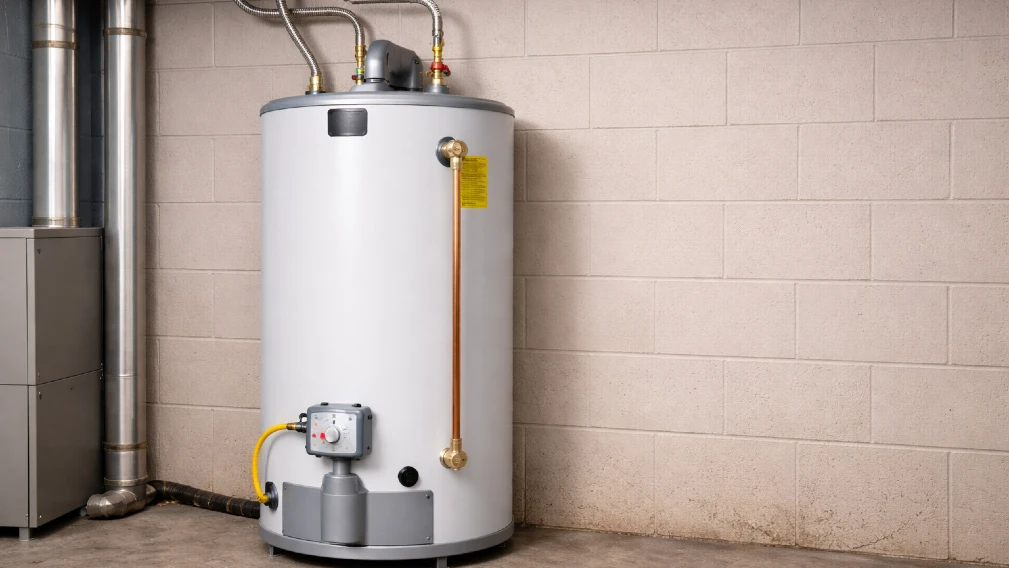
A traditional tank water heater, also called a conventional storage water heater, stores a large volume of water in a large tank, typically between 40 and 80 gallons. A heating element (electric) or gas line (natural gas) continuously heats the hot water stored inside the storage tank, keeping it ready for use at any time.
Storage tank water heaters use a dip tube to bring cold water into the bottom of the tank, where it’s heated and rises to the top. When you turn on a hot water tap, the warm water flows out, and cold water refills the tank to be reheated.
The major drawback? Standby heat loss. Because the tank must constantly maintain water temperature, even when no one is home, traditional tank water heaters waste energy around the clock. This continuous heating cycle contributes to higher energy costs over time and increases your monthly utility bills.
Storage water heaters are straightforward, reliable, and widely understood by plumbers. They’re typically found in the laundry room, basement, or utility closet, but their size can be a problem in homes with limited space.
How Tankless Water Heaters Work
A tankless water heater, sometimes called an on-demand or tankless heater, works completely differently. Instead of storing hot water in a tank, these systems heat water only when you need it.
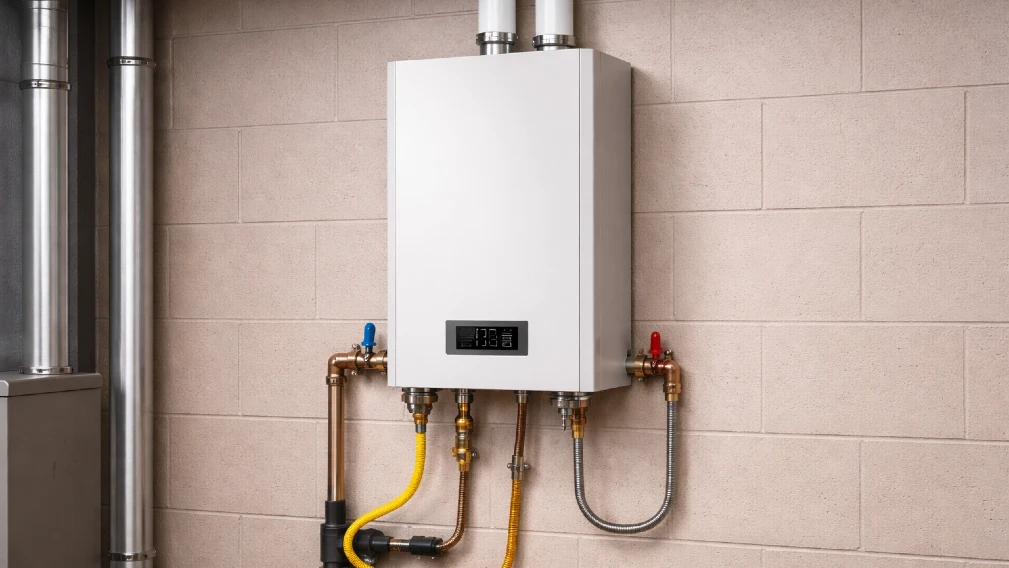
Here’s how tankless water heaters work: when you turn on the hot water tap, cold water flows through a heat exchanger inside the unit, where it’s rapidly heated by either a gas burner (gas tankless) or electric coils (electric tankless). The result is a continuous supply of hot water, as long as the demand stays within the unit’s flow rate (measured in gallons per minute, or GPM).
Because there’s no tank sitting idle, there’s no standby heat loss. Tankless units only use energy when you actually need hot water, which is why they’re far more energy efficient than traditional water heaters.
Most tankless heaters are compact and wall-mounted, offering significant space savings, especially helpful in homes with limited square footage or those looking to free up the laundry room.
Tankless vs Tank Water Heater: Head-to-Head Comparison
Let’s compare tank and tankless water heaters across the factors that matter most:
Energy Efficiency
Energy efficiency is one of the biggest selling points for tankless models. According to the U.S. Department of Energy, tankless water heaters can be 24–34% more energy-efficient than storage-tank water heaters for homes that use less than 41 gallons of hot water daily.
Traditional water heaters rely on a standing pilot light (in older gas models) or a constantly active heating element to maintain water temperature in the tank, which means they waste energy even during off-peak hours. Over time, this inflates energy costs and your electric bill significantly.
Tankless units don’t have this problem. With no tank to keep hot, energy usage drops, and so do your operating costs.
Cost: Initial vs Long-Term
One of the most common trade-offs in the tank vs tankless debate comes down to money.
Storage tank water heaters have a much lower initial cost, typically $500–$1,500 installed. This makes them attractive for homeowners on a budget or those replacing a heater quickly.
Tankless water heaters, however, come with a higher upfront cost, usually $1,500–$5,000 depending on brand, type, and installation cost. Gas tankless units often require upgrades to the existing gas line or venting, which adds to the higher initial cost.
That said, the cost savings over time often justify the investment. Tankless models have a longer life expectancy, typically 20+ years, compared to 10–15 years for tank water heaters. Over a full lifespan, tankless water heaters often save money on both energy and replacement costs.
Hot Water Supply
This is where the two systems differ most noticeably in daily life.
Tank water heaters store a fixed volume of hot water. Once the tank is depleted, during a long shower or when multiple appliances run simultaneously, you’ll face a limited hot water supply while waiting for the tank to reheat. This can be frustrating for larger families or homes with high hot water demand.
Tankless models, by contrast, provide endless hot water or, more accurately, unlimited hot water as long as demand stays within the unit’s rated flow rate. This makes them ideal for households that need hot water for showers, dishwashers, laundry, and other multiple appliances running at the same time.
However, most tankless heaters do have a maximum flow rate. If your household demand exceeds the unit’s GPM capacity, you may notice a dip in water temperature. Proper sizing by a licensed plumber is essential for tankless systems to perform at their best.
Lifespan and Maintenance
Tank water heaters are simpler to maintain, but they’re more vulnerable to sediment buildup at the bottom of the storage tank. This buildup forces the unit to work harder to heat water, reducing efficiency over time. Annual flushing can extend their life, but tank models typically need replacement every 10–15 years.
Tankless water heaters require descaling, especially in areas with hard water, to protect the heat exchanger. This is slightly more involved, but when properly maintained, they can last 20–25 years or more, making their life expectancy significantly longer than conventional storage water heater options.
Installation
Storage water heaters are easier and faster to install. In most cases, it’s a straightforward swap. The existing fuel source connection and plumbing can often be reused.
Tankless water heaters may require more extensive installation. Gas tankless units often need dedicated venting and a gas line upgrade. Electric tankless models may require an electrical panel upgrade. These installation cost additions are real but one-time expenses that shouldn’t be overlooked in your budget planning.
Which Is Better for Your Home?
The right choice between a tank and a tankless system depends on your household needs, budget, and priorities.
Choose a tankless water heater if:
- You have a larger family or a high hot water demand
- You want energy-efficient operation and lower long-term energy costs
- Space savings are important in your home
- You’re planning to stay in the home long enough to realize cost savings
- You want endless hot water without worrying about a limited hot water supply
Choose a traditional tank water heater if:
- You need a quick, budget-friendly replacement with a lower initial cost
- Your home has a low or moderate hot water demand
- You’re in a rental or short-term situation where a higher upfront cost isn’t justified
- Your current fuel source and infrastructure are already set up for tank water heaters
For most homeowners seeking long-term value, energy efficiency, and unlimited hot water, a tankless water heater is the better investment. But storage tank water heaters remain a dependable and affordable choice for the right situation.
Gas vs Electric: Choosing Your Fuel Source
Both tank and tankless models come in gas and electric versions, and your fuel source plays a big role in operating costs.
Gas tank heaters are among the most common and cost-effective options for heating large volumes of water quickly. Gas tankless heaters are highly efficient and ideal for high-demand households, but they require proper gas line sizing and venting.
Electric tankless systems are easier to install and great for smaller homes, but they can put more strain on your electric bill depending on local electricity rates. If reducing your energy costs is a priority, work with a licensed plumber to evaluate the best fuel source for your specific home and usage patterns.
Frequently Asked Questions
Are tankless water heaters worth the higher upfront cost?
For most homeowners, yes. The cost savings on energy costs, combined with a longer life expectancy, typically result in a positive return over 5–10 years.
Can a tankless heater handle my whole house?
Yes, when properly sized. A licensed plumber can calculate your peak hot water demand across multiple appliances to recommend the right unit flow rate.
How long do storage tank water heaters last?
Typically, 10–15 years with regular maintenance to address sediment buildup and wear on the heating element.
Do tankless water heaters eliminate cold water problems?
Tankless water heaters deliver hot water on demand, but there’s still a brief moment before cold water flows through the heat exchanger, which is fully heated. Some homeowners pair them with a small recirculation pump for instant delivery.
Ready to Upgrade Your Water Heater?
Whether you’re leaning toward a high-efficiency tankless water heater or a dependable traditional tank water heater, Heritage Services has the expertise to help you make the right call. Our licensed technicians serve the Oklahoma City metro area and can evaluate your home’s hot water demand, recommend the best tank or tankless water heater, and handle the full installation — so you get reliable hot water without the guesswork.
Call Heritage Services today at 405-348-5555 or contact us online to schedule a free evaluation.
September 18, 2026
Toilet Running Constantly: How to Fix It
Latest Blogs
See All
September 11, 2026
Air Filter Replacement Frequency: How Often Should You Change Your Air Filter?

September 6, 2026
Repiping Your Home: Signs, Costs, and Process
September 4, 2026
Burst Pipe Emergency: What to Do When a Pipe Bursts
August 24, 2026
Shower Not Draining: Causes and DIY Fixes