Your heating and air conditioning system works hard behind the scenes to keep your home feeling just right—cool in the summer, warm in the winter, and breathable all year long. But like any mechanical system, there comes a time when repairs just won’t cut it. So, when should you throw in the towel and replace your HVAC system instead of patching it up again?
Most homeowners are uncertain about when to replace their heating and air conditioning systems, often delaying the decision until problems become urgent.
At Heritage Services, we help homeowners figure out when it’s the right time to swap out their old system for a new, energy-efficient one. Whether it’s your air conditioner, heat pump, gas furnace, or the entire HVAC system, knowing what signs to look for can save you from high energy bills, uncomfortable rooms, and expensive repairs down the line.
What’s the Average Lifespan of an HVAC System?

Let’s start with the big question: What’s the typical lifespan of a heating and cooling system?
Most HVAC systems last about 15 to 20 years, depending on the brand, how it was installed, and how well it’s been maintained. The typical age range for most HVAC systems is 15 to 20 years.
Air conditioners generally last up to 15–20 years, while furnaces can often reach 20–25 years with proper care. But just because your HVAC system still kicks on doesn’t mean it’s working efficiently—or safely.
Normal wear over time can reduce efficiency and performance, even if the system is still operational.
If your HVAC unit is more than 15 years old and you’re seeing higher utility bills, reduced performance, or hearing unusual sounds, it might be time to replace it.
Top Signs You Should Replace Your Heating and Cooling System

1. You’re Dealing With Frequent Repairs
If you’re constantly calling a service technician for HVAC repairs to patch up your AC unit or fix your furnace, it might be time to stop spending money on short-term fixes and put that budget toward a new HVAC system.
2. Your HVAC System Runs Constantly
Older systems have to work overtime to keep your home at a comfortable temperature. If your AC system never seems to take a break, it’s wasting energy—and your money.
3. Your Energy Bills Are Skyrocketing
Rising energy bills aren’t always due to hotter summers or colder winters. An inefficient air conditioning unit or heat pump could be the culprit. Newer energy-efficient systems, such as heat pumps, can dramatically lower electricity costs.
4. Uneven Temperatures
If your home’s HVAC system leaves one room freezing and another too warm, it’s a sign your system isn’t distributing cool air or heat properly. New equipment can fix that.
5. Strange Noises or Odors
Unusual sounds like banging, grinding, or clanking, as well as strange odors, are warning signs. The same goes for unusual odors or even carbon monoxide from a gas furnace. Don’t wait—these could indicate serious issues.
6. Poor Air Quality
Is your home dusty even after cleaning? Is allergy season getting worse indoors? Your HVAC system plays a big role in air quality, and an old or dirty system might not be filtering air as it should.
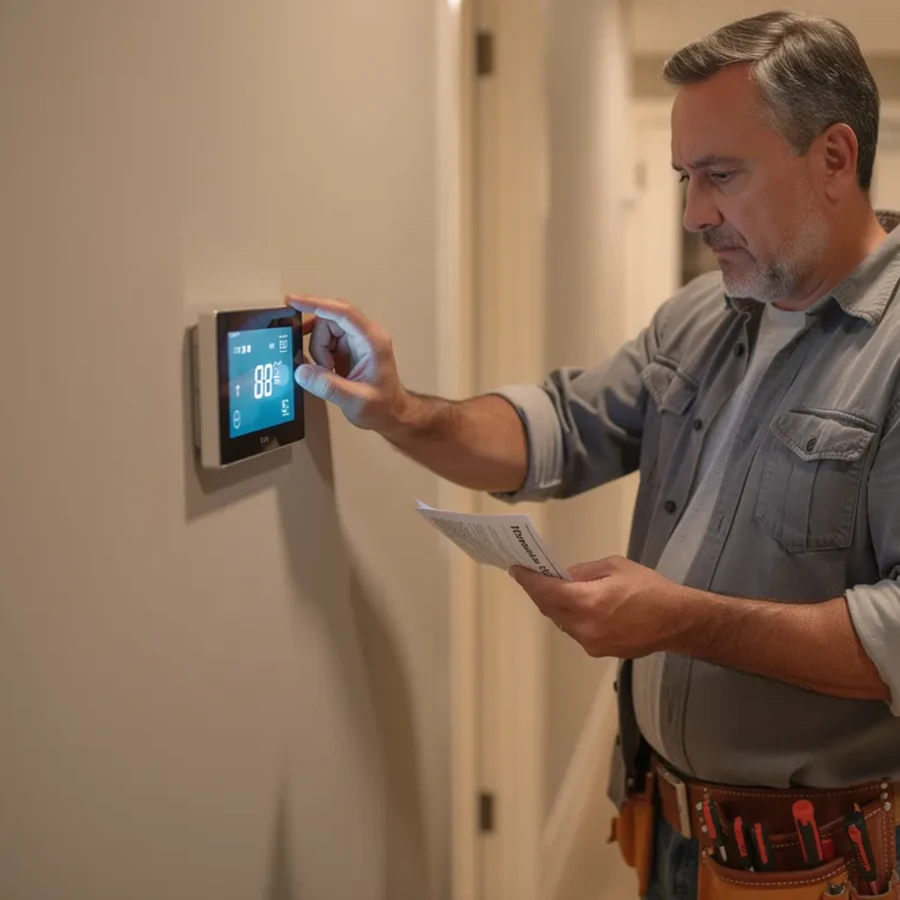
7. You’re Using Outdated Thermostats
If you haven’t upgraded to a new thermostat, you could be missing out on features that help your system run more efficiently. Smart thermostats can help you cut down on waste and better control your heating and cooling.
When It’s More Cost-Effective to Replace Than Repair
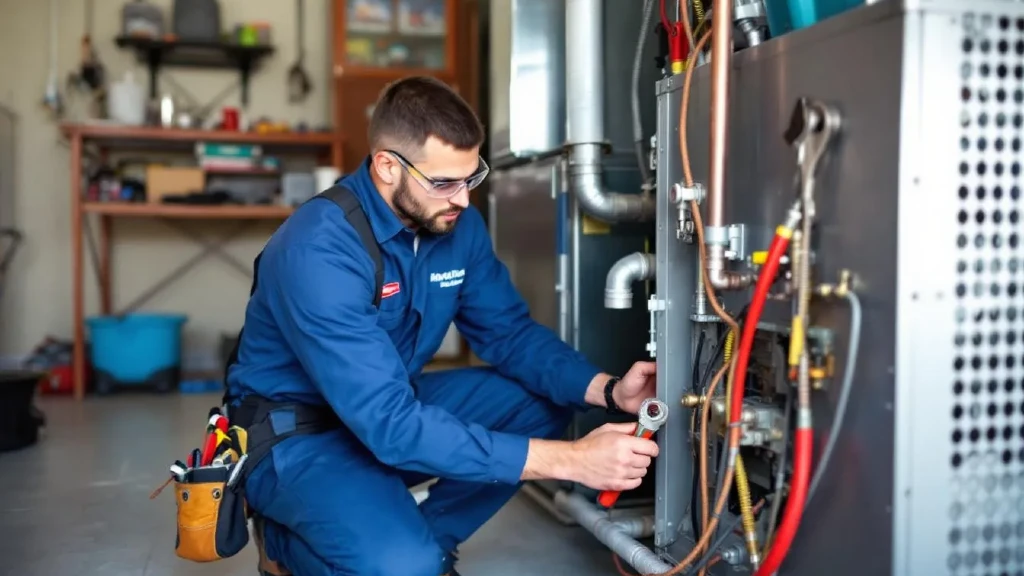
If you’re spending more than 50% of the cost of a new system on repairs, replacing your HVAC equipment might make more sense. Plus, an energy-efficient system can help you lower your utility bills, which adds up to big savings over time.
Here’s a quick example: Let’s say your AC compressor dies and the repair costs $1,200. If a new unit costs $2,400 and will save you $300 a year in energy costs, it’ll pay for itself in just four years. That’s not bad math. Newer systems also offer improved efficiency, updated warranties, and advanced features that enhance performance and reliability.
What About System Age and Performance?
It’s not just about age—it’s about how your current system performs. Some HVAC units start having problems at 10 years. Others hum along happily until 20. But if your system has trouble reaching the comfortable temperature you set, or it runs constantly, it might be past its useful life.
Paying attention to things like performance, energy costs, and breakdown frequency can help you decide when it’s time. Upgrading to modern air conditioners can provide improved energy efficiency and advanced features compared to older models, making them a smart choice for better comfort and cost savings.
The Importance of Maintenance and Upkeep

Keeping your HVAC system in top shape starts with regular maintenance and upkeep. Routine care is essential for maintaining optimal performance, improving efficiency, and ensuring your system delivers clean, comfortable air throughout your home. When maintenance is neglected, your HVAC system has to work harder, which can lead to higher energy bills, more frequent repairs, and a decline in air quality.
Simple tasks like changing air filters regularly, cleaning condenser coils, and checking ductwork for leaks or damage can make a big difference. These steps help your system run smoothly, reduce strain on major components, and keep your home’s air fresh and healthy. Regular maintenance also gives you the chance to catch small issues before they turn into costly repairs or require a full system replacement.
By prioritizing maintenance, you not only extend the life of your HVAC system but also keep your energy bills in check and avoid unexpected breakdowns. Investing a little time and attention now can help you enjoy reliable comfort and efficiency for years to come.
Choosing a Replacement: What You Should Know
When you’re ready to replace your HVAC, it’s more than just picking a brand. Think about:
- System size – A system that’s too small won’t cool your home. One that’s too large will short-cycle and wear out fast.
- Seasonal Energy Efficiency Ratio (SEER) – This rating helps measure how efficiently a system runs. The higher the SEER, the better.
- Home layout – Size, number of rooms, insulation, and sun exposure all affect what kind of system works best.
When choosing a replacement, always check the warranty and support options for your carrier system or any other branded system. Verifying the warranty status and understanding manufacturer support can help you decide if a newer, more efficient model is the best choice for your needs.
And if you’re replacing your HVAC system, it might also be the right time to update other systems in your home—like your hot water setup. Yes, we’re talking about your water heating installation.
Your home’s comfort doesn’t stop at air temperature. Hot water for your shower, dishwasher, or laundry system matters just as much. If you’re updating your heating and cooling, it’s smart to check if your water heater is keeping up—or needs replacing, too.
How Heritage Services Can Help

We’ve seen just about everything—ac systems on their last leg, old systems held together with duct tape, and frequent breakdowns that drive homeowners crazy. At Heritage Services, we help you decide what’s best: repair or replace.
We’ll take a look at your model, the major components, and the overall efficiency. We explain what’s working, what’s not, and what your options are—no pressure.
Need a new HVAC system? Want to update your furnace or cooling system? Thinking about replacing that air conditioning system that’s blowing out lukewarm air?
We’ve got you covered.
Know When to Replace, Not Just Repair
Nobody wants to be surprised by a broken HVAC unit in the middle of July or the coldest day in January. That’s why keeping track of your system’s age, maintenance history, and performance is key.
If your system is giving you more headaches than comfort—or if you’re tired of high bills and constant repairs—it might be time to upgrade to a cost-effective, energy-efficient new system.
And when you’re ready, Heritage Services is here to help. We make the process easy, and we always keep your comfort (and your budget) in mind.
Let’s keep your home cool, your energy bills low, and your air clean.
Contact us today to schedule your HVAC consultation—or learn more about smart water heating installation options to round out your home comfort system.
when to replace heating and air conditioning