Your AC usually does its job quietly in the background. You set the temperature, cool air moves through the house, and everyone stays comfortable without thinking much about the system behind it. But once the air conditioning unit starts running longer than usual, struggling to cool rooms evenly, or needing another repair, it is normal to wonder how much life it has left.
That is when it helps to know what a normal AC unit lifespan looks like and when it may be time to plan for service or replacement.
In most homes, the average lifespan of a central air conditioner is about 10 to 15 years, and well-cared-for systems can last closer to 15 to 20 years. Still, the life expectancy of any air conditioning unit depends on several factors, including maintenance, installation quality, climate conditions, usage patterns, and proper sizing.
At Heritage Services, we help Oklahoma City metro homeowners and businesses understand what their HVAC system is telling them. Sometimes a tune-up is enough. Sometimes air conditioner replacement is the more cost-effective choice. Our trained technicians check the whole system before recommending the next step.
What Affects the Lifespan of an AC Unit?

There is no single answer for how long air conditioners last because every home puts different demands on its system. A central AC unit that runs through humid summers and every heat wave will face more strain than a system in a mild climate. Oklahoma homes may not deal with salty sea air like coastal homes, but dust, heat, wind, storms, and big temperature swings still affect the expected lifespan of your equipment.
The lifespan of an air conditioner depends heavily on regular maintenance. Clean filters, clear airflow, and yearly service help the HVAC unit work without pushing harder than it should. When air filters stay dirty, the system has to push air through restricted airflow. That can reduce energy efficiency, hurt air quality, and create wear and tear.
Installation quality matters too. A central air conditioning system that is too large may short cycle. A system that is too small may run almost nonstop. Proper sizing helps protect the compressor, evaporator coil, blower, and outdoor unit. That is why Heritage takes HVAC installation seriously and helps homeowners choose equipment that fits the home.
Warning Signs Your AC May Be Near the End
Age alone does not always mean you need AC replacement. Some older units keep going because the homeowner stayed on top of maintenance, while newer AC systems can struggle when minor issues are ignored.
One of the biggest warning signs is frequent repairs. If your AC needs service every season, or if repair costs keep climbing, it may be time to compare the cost of repairs with the long-term value of a new system. Refrigerant leaks, clogged coils, weak airflow, strange noises, and poor cooling are also signs your air conditioner needs expert review.
Higher energy bills are another clue. If your energy bills or monthly power bills keep rising even though your usage has not changed much, your central AC may be losing efficiency. Older units often need longer run times to produce the same cool air. That means more energy use and less comfort.
Air quality can also suffer. A struggling central air system may leave some rooms humid, dusty, or uncomfortable. In humid summers, poor cooling can contribute to moisture problems and mold growth.
Proper Maintenance for Longer AC Life
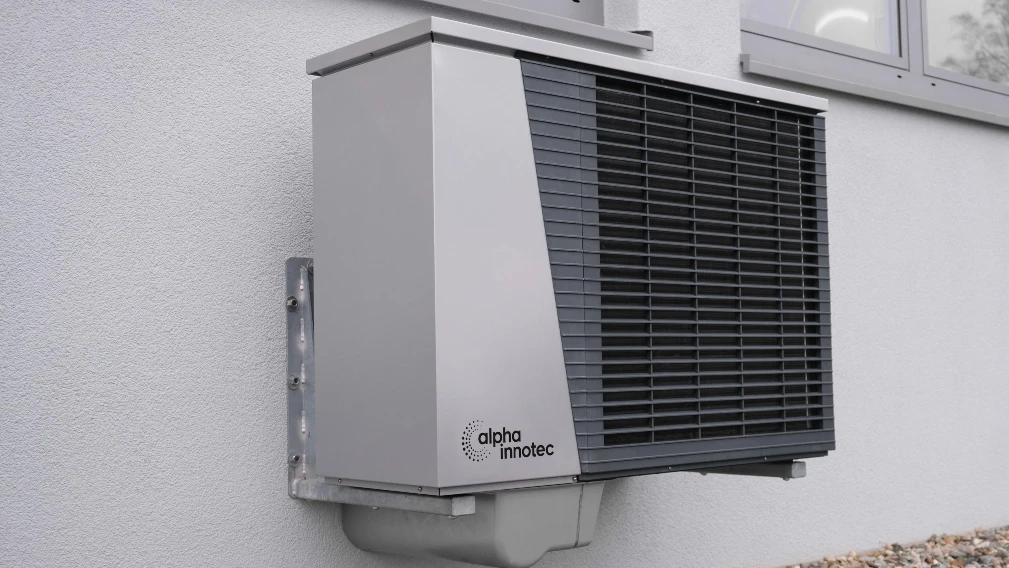
Proper maintenance is one of the simplest ways to help AC units last longer. It will not make old equipment last forever, but it can prevent small issues from becoming expensive breakdowns.
At Heritage, our HVAC maintenance and M Service Membership are built around checking home systems before they fail. During annual tune-ups, our trained technicians inspect heating and cooling equipment, check airflow, review refrigerant levels, inspect coils, and prepare the system for Oklahoma weather.
Between visits, homeowners can help by changing air filters regularly, keeping debris away from the outdoor unit, not blocking vents, and calling for service when something feels off. A small noise may seem minor, but minor issues are easier to fix early.
A clean, well-maintained AC system has a better chance of reaching its average life expectancy than one ignored until it stops working.
Repair or Replace: Which Option Makes More Sense?
Most homeowners want a solution that makes sense for their comfort, budget, and long-term costs. If you are trying to decide when to replace HVAC equipment, start by looking at the age of the system, recent repair costs, comfort problems, and energy efficiency. A repair can be the right move when the system is newer, the issue is simple, and the rest of the equipment looks healthy.
Replacement starts to make more sense when the unit is older, repair costs are high, and performance keeps dropping. If your central air conditioner is more than 10 to 15 years old and needs a major repair, a new system may give better comfort, stronger energy efficiency, and fewer breakdowns.
Heritage Services can help you compare both options honestly. We offer AC repair, AC replacement, HVAC installation, heat pump installation, duct cleaning, and indoor air quality solutions. Because we work with the full HVAC system, we look at equipment, airflow, ductwork, cooling needs, and overall comfort.
How Heritage Helps Oklahoma Homes Stay Cool
When your air conditioning starts acting up, you do not have to guess what comes next. Heritage has served the Oklahoma City metro since 1967, and our team knows how hard local weather can be on heating and cooling systems. We help residential and commercial customers who need fast, affordable, reliable service from licensed specialists.
Maybe your central AC unit only needs maintenance. Maybe your air conditioner needs repair before the next heat wave. Or maybe your older unit has reached the end of its expected lifespan, and it is time to replace it with a system built for better comfort and lower monthly power bills.
Either way, Heritage is here to make the process easier. Our HVAC technician will explain what we find and help you choose a practical path forward. You get experienced guidance from a local team that wants your home to stay cool, safe, and efficient.
Frequently Asked Questions
How long do air conditioners usually last?
Most air conditioners last around 10 to 15 years, although some well-maintained systems can last closer to 15 to 20 years. How long air conditioners last in your home depends on maintenance, installation quality, local weather, usage patterns, and whether the system is properly sized for the space.
Do central AC systems cost more to maintain as they age?
Yes, older central AC systems often need more attention as parts wear down and efficiency drops. Regular maintenance can help reduce repair costs, improve comfort, and keep the system running as smoothly as possible. When repairs become frequent or expensive, Heritage can help you decide whether repair or replacement makes more sense.
Can replacing an old AC unit help homeowners save money?
In many cases, yes. A newer, more efficient AC system may help homeowners save money on monthly energy bills, especially if the old unit runs constantly or struggles during hot weather. You do not need to be a senior product manager or study a complicated chart to understand the basic idea: if an older unit costs more to run and repair each year, replacement may be the better long-term choice.
Stay Cool With Trusted AC Service From Heritage
The average lifespan of an AC unit depends on maintenance, proper sizing, climate conditions, usage patterns, and original installation quality. Most air conditioners last many years, but every system eventually reaches the point where repair is no longer the best answer.
If you are noticing higher energy bills, frequent repairs, weak cooling, refrigerant leaks, clogged coils, or comfort problems around the house, let Heritage take a look. A professional inspection can help you decide whether your AC still has good life left or whether air conditioner replacement is the smarter long-term move.
Heritage Services is ready to help with AC service, HVAC installation, regular maintenance, heat pump service, indoor air quality support, and more across the Oklahoma City metro. For comfort you can trust through Oklahoma’s hot summers and changing seasons, call Heritage at 405-348-5555.