Hard water is one of the most common water quality problems in Oklahoma, and the best solution depends on what’s in your water. For most homes, a water softener is the most effective way to remove hardness minerals, while whole-house filtration systems and reverse osmosis can address chlorine, sediment, and drinking water quality.
Chalky faucets. Dishes with spots that won’t wipe off. Shampoo that never quite lathers. If any of that sounds familiar, your home almost certainly has hard water, and you’re far from alone.
This guide explains what causes hard water, how it affects your plumbing and appliances, and how to choose the right water treatment systems for Oklahoma’s hard water. Whether you’re on city water or well water, Heritage Services can help you find a solution that fits your home’s water quality, your household’s needs, and your budget.
Understanding Hard Water in Oklahoma

Hard water might look completely clear, but the minerals dissolved in it are doing quiet damage to your plumbing, your appliances, and your daily routines. Knowing what’s actually in your water is the first step toward choosing the right solution for your home.
What Is Hard Water and Why Is It So Common?
Hard water carries high levels of calcium and magnesium, naturally occurring hardness minerals that dissolve into groundwater as it moves through rock and soil. Because many Oklahoma communities rely on groundwater, hard water is the norm rather than the exception. In fact, hard water in Oklahoma commonly ranges from 10 to 15 grains per gallon, with an average hardness of about 146 PPM.
These minerals aren’t harmful to drink, but they can have a lasting effect on your home’s water quality. As water moves through your home’s main water line, it leaves scale buildup inside pipes, around plumbing fixtures, and throughout your water-using appliances.
Over time, this buildup narrows water flow, forces appliances to work harder, and reduces overall efficiency. Whether your home uses municipal or well water, treating hard water at the source helps protect your plumbing and improve everyday comfort.
Signs Your Home Has Hard Water
Hard water problems rarely show up overnight. Mineral deposits build up slowly, making them easy to overlook until an appliance starts struggling or a plumbing repair becomes necessary. Recognizing the warning signs early can help you prevent costly damage later.

How Scale Buildup Affects Your Plumbing and Appliances
One of the biggest concerns with hard water is existing scale buildup. As minerals accumulate inside your plumbing system, they form a rough coating that continues to grow over time.
Your water heater is often one of the first appliances to be affected because heating water causes minerals to settle more quickly. As deposits build up, the heater must work harder to produce the same amount of hot water, increasing energy use and causing unnecessary wear.
Other warning signs include:
- White mineral deposits around faucets and fixtures.
- Stubborn soap scum on sinks, tubs, and shower doors.
- Reduced water pressure caused by mineral buildup inside pipes.
- Cloudy spots on dishes and glassware.
- Water-using appliances that no longer operate as efficiently as they once did.
Addressing hard water early helps extend the life of your plumbing, fixtures, and appliances while reducing future maintenance costs.
The Impact on Your Skin, Laundry, and Drinking Water
Hard water affects much more than your plumbing. The extra minerals make soaps and detergents less effective, so cleaning often requires more effort and more product.
You may notice clothes feeling stiff after washing, dishes that never seem completely clean, and soap that refuses to rinse away completely. Many homeowners also experience dry skin and dull hair after showering because mineral residue remains behind.
Although hard water doesn’t usually make your drinking water unsafe, it can change the taste of your tap water. Improving your water quality makes everyday tasks easier and provides cleaner-feeling water throughout your home.
Why Water Treatment Systems Matter
The right water treatment system does more than improve the taste of your water. It protects your plumbing, extends the life of expensive appliances, and improves how water performs throughout your home. Depending on your household’s needs, we may recommend a water softener, a whole-house filtration system, a reverse osmosis system, or a combination of treatments.
The Benefits of Soft Water Throughout Your Home
Whole-house water softeners are one of the most effective solutions for hard water because they work before minerals ever reach your plumbing. A water softener treats hard water through an ion exchange process.
Inside the unit, negatively charged resin beads attract calcium and magnesium while releasing small amounts of sodium ions into the water. The hardness minerals remain attached to the resin beads, allowing soft water to flow throughout your home.
Because the softener treats the water before it reaches your plumbing, you’ll notice benefits at every faucet, including:
- Less soap scum on sinks, tubs, and shower doors.
- Cleaner dishes and laundry while using less water and fewer detergents.
- Longer life for plumbing, fixtures, and appliances.
- Softer skin and hair after bathing.
- A steady supply of soft water from every tap.
Your water heater, dishwasher, washing machine, and other household appliances also tend to operate more efficiently because they aren’t constantly fighting mineral deposits. Over time, reducing scale buildup improves the overall efficiency of your plumbing system while helping you get more life from expensive equipment.
Whole-House Water Filtration Systems
While water softeners remove hardness minerals, they aren’t designed to remove everything that can affect your water quality. A whole-house filtration system treats your whole house water supply before it reaches your faucets, reducing chlorine, sediment, rust, and organic materials as the water enters your home.
Because every fixture receives filtered water, you’ll notice cleaner water for bathing, cooking, laundry, and everyday household use. Many homeowners also appreciate better-tasting tap water, fewer unpleasant odors, and less buildup on fixtures over time.
Reverse Osmosis Systems for Cleaner Drinking Water
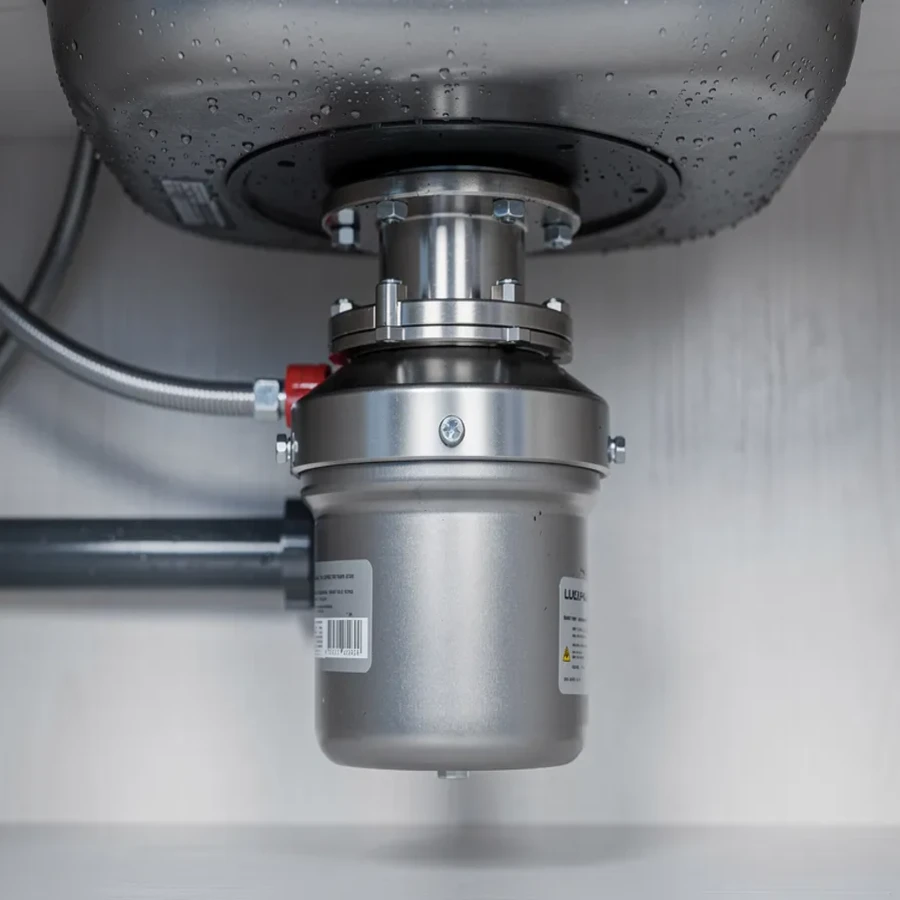
If your main concern is cleaner drinking water, a reverse osmosis system is an excellent addition to your home. Installed beneath a kitchen sink or in another convenient location, these systems use multiple stages of filtration to remove a high percentage of contaminants from your water.
The result is cleaner, better-tasting water for drinking, cooking, coffee, and ice. When paired with a whole-house water treatment system, reverse osmosis gives you confidence that both your household water and the water you drink every day are being treated effectively.
Choosing the Right Water Treatment Solution
Every home has different water quality, plumbing, and daily water demands, so choosing the right solution starts with understanding what’s actually in your water. Heritage Services offers several water treatment options, including water softener systems, whole-house filtration, and reverse osmosis systems. A professional water test identifies your home’s hardness level and any other concerns, making it easier to choose equipment that fits your household needs rather than paying for features you don’t need.

Is a Home Water Softener the Right Choice?
For many Oklahoma homeowners, a home water softener is the best long-term solution for hard water. These water softener systems remove hardness minerals before they reach your showers, faucets, and appliances, helping protect your plumbing while improving water quality throughout the entire house.
Because the system treats water as it enters your home, you’ll notice the benefits everywhere instead of at a single fixture. Whether you’re replacing an older unit or installing one for the first time, selecting the right system starts with understanding your household’s water needs.
Salt-Based vs. Salt-Free Water Treatment Systems
Both systems help reduce the effects of hard water, but they work in different ways.
Traditional water softeners remove calcium and magnesium through ion exchange. Most systems include a brine tank that regenerates the resin beads after they’ve collected hardness minerals. This allows the softener to continue removing minerals efficiently for years.
Some non-electric water softeners use the home’s water flow to control regeneration instead of electronic timers. Because they don’t rely on electricity, they can continue providing soft water during power outages, making them an attractive option for homeowners who experience occasional outages.
A salt-free water conditioner works differently. Instead of removing hardness minerals, it changes the way they behave so they’re less likely to stick to your plumbing and create new scale buildup. While these systems can help reduce scale, they don’t actually soften the water like a traditional water softener.
How to Size a Water Softener for Your Household
Choosing the correct system size is just as important as choosing the equipment itself. If you don’t properly size water softener equipment for your household, the unit may regenerate too frequently or struggle to keep up with high water demand.
When determining the right size, professionals typically consider:
- The number of people living in the home.
- Average daily water usage.
- Water hardness levels.
- Whether the home uses city water or well water.
- The number of bathrooms and water-using appliances.
A properly sized home system operates more efficiently, reduces unnecessary wear, and delivers consistent soft water throughout your home.
What Makes the Best Water Softener?
The best water softener isn’t simply the largest or most expensive model available. It’s the one that’s properly matched to your home’s water quality and daily water usage.
A professional water testing appointment provides the information needed to recommend equipment that fits your household today while leaving room for future needs. Starting with accurate testing eliminates guesswork and helps you make a smarter long-term investment.
Installation and Maintenance
A quality water treatment system is only as good as its installation. Proper sizing, professional installation, and routine maintenance all play a role in protecting your plumbing and helping your equipment perform reliably for years to come.

Why Professional Installation Matters
Most water softener installation projects can be completed in just a few hours. During installation, the equipment is connected directly to your home’s main water line, allowing treated water to reach every faucet and fixture throughout your home.
Professional installation also includes checking water pressure, testing system operation, and making sure every connection is secure. Your technician will also verify there’s proper access for future maintenance and servicing, helping keep your system operating reliably for years to come.
Keeping Your System Working at Its Best
Like any plumbing equipment, your water treatment system benefits from routine maintenance.
For traditional water softeners, that includes checking salt levels, cleaning components when needed, and confirming the regeneration cycle is operating correctly. Some systems require electricity to control regeneration cycles and operate on a fixed schedule, while others regenerate based on actual household water usage.
Routine maintenance also helps identify small issues before they become larger plumbing repairs, protecting your investment and extending the life of your equipment.
How to Know What’s in Your Water
Every water supply is different, so testing should always come before choosing equipment. Without knowing your home’s hardness level or potential contaminants, it’s difficult to know which solution will provide the greatest value.
Start With a Free Water Test
A free water test is one of the simplest and most affordable ways to understand your home’s water quality. The results help determine whether a water softener, whole-house filtration system, reverse osmosis system, or a combination of treatments is the best fit for your household.
At Heritage Services, we’ll explain your results in plain language, answer your questions, and recommend a solution that fits your home and your budget.
Questions About Water Treatment Systems
Is Hard Water Really a Problem in Oklahoma?
Yes. Hard water is extremely common across Oklahoma, especially in areas that rely on groundwater or well water. Left untreated, it can lead to scale buildup, reduced appliance performance, dry skin, soap scum, and higher maintenance costs over time.
Will a Reverse Osmosis System Improve My Drinking Water?
Yes. Reverse osmosis systems use multiple stages of filtration to remove a high percentage of contaminants from your drinking water. They’re an excellent option for homeowners who want cleaner water for cooking, beverages, and everyday drinking while complementing a whole-house water treatment system.
What’s the Difference Between Salt-Based and Salt-Free Systems?
Salt-based water softeners remove hardness minerals from your water through ion exchange. Salt-free systems condition the minerals so they’re less likely to form scale, but they don’t remove them. If your goal is to eliminate hard water problems throughout your home, a traditional water softener is generally the better long-term solution.
How Long Does a Water Softener Last?
With regular maintenance, most water softeners last 10 to 15 years. Proper installation, the correct water treatment systems size, and routine servicing all contribute to getting the longest possible life from your investment.
Protect Your Home With Heritage Services

Whether you’re dealing with stubborn hard water, looking for cleaner drinking water, or searching for a complete whole-home solution, Heritage Services has the experience to help. From water softener systems and whole-house filtration to reverse osmosis installation, we’ll recommend equipment that fits your home’s needs and install it correctly the first time.
Contact Heritage Services today to schedule your free water test. We’ll evaluate your water quality, explain your options, and recommend a water treatment solution that protects your plumbing, improves everyday comfort, and helps your home run more efficiently for years to come.