At Heritage Services, we hear from homeowners across the Oklahoma City area almost every week who are dealing with the same frustrating issue: water pressure problems. Whether it is a shower that barely trickles or a kitchen faucet that takes forever to fill a pot, low water pressure is one of those plumbing issues that disrupts daily life in ways people do not expect until it happens to them.
We have spent 50 years helping families and business owners diagnose and fix these problems, and we want to walk you through what typically causes them and what you can do about it.
What Counts as Normal Water Pressure
Before we get into causes, it helps to know what normal water pressure actually looks like. Most homes operate between 30 and 80 psi comfortably, with many plumbers agreeing that the ideal range sits closer to 40 and 80 PSI for daily use. If your home’s water pressure regularly falls below that range, you are likely dealing with low water pressure, and if it climbs well above it, you could be putting unnecessary strain on your pipes and plumbing fixtures.
You can get a rough sense of your water pressure just by paying attention to how water exits your faucets and showerheads. A pressure gauge, which threads onto an outdoor hose spigot, gives you an exact number in pounds per square inch. If you want a precise reading rather than a guess, this is the easiest way to test it yourself before calling a local plumber.
Common Causes of Low Water Pressure
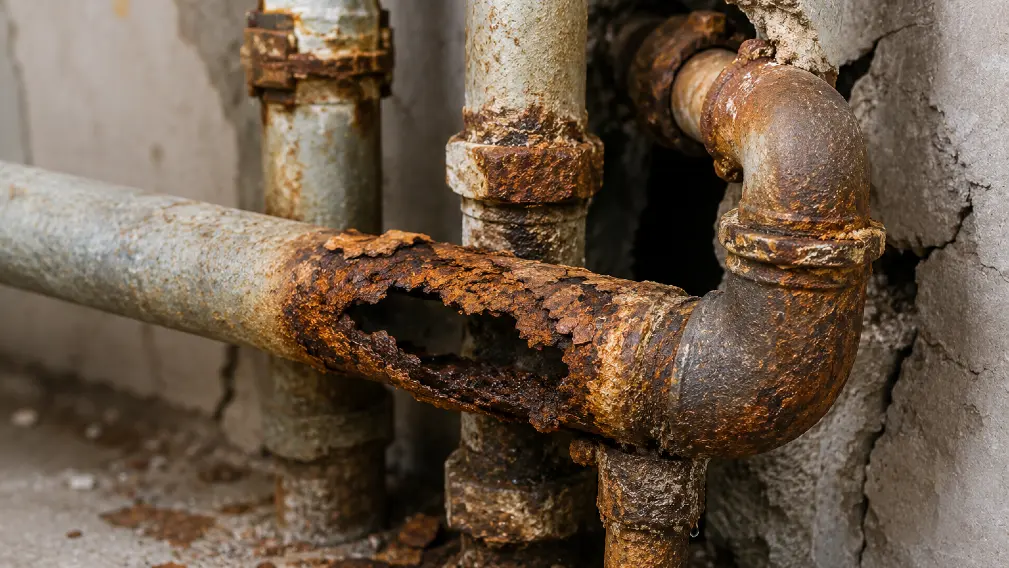
Low water pressure rarely has just one cause, and our technicians have learned to work through the possibilities methodically. Here are the issues we see most often.
Partially Closed Shut Off Valves
One of the simplest and most overlooked causes of pressure problems is a partially closed valve. Every home has a main shut-off valve, usually located near the water meter or where the supply line enters the house, and many fixtures also have their own shut-off valves. If a valve was not fully reopened after maintenance or a repair, it can quietly reduce your home’s water pressure without you realizing the cause. Checking the main valve and confirming it is fully open is one of the easiest fixes available, and it costs only a few minutes of your time.
Corroded Pipes
Older homes, especially those with galvanized steel pipes, are particularly prone to pipe corrosion. Galvanized steel pipes corrode after about 20 years, and as corrosion builds up inside the pipe, the interior diameter narrows, restricting water flow. This is one of the most common causes of low water pressure in homes built decades ago. Copper pipes hold up far better over time and can last over 50 years, which is why so many homeowners choose to replace corroded pipes with copper or brass pipes when the issue becomes severe enough. If you are noticing a slow, gradual decline in pressure throughout your home rather than a sudden drop, aging or corroded pipes are often the culprit.
Mineral Buildup and Hard Water
Hard water is a major contributor to mineral buildup inside your plumbing system. Calcium and magnesium can accumulate inside pipes of older homes, and hard water causes mineral scaling inside plumbing fixtures over time. This buildup narrows the inside of the pipe in much the same way corrosion does, gradually restricting normal flow. A water softener can help reduce future mineral buildup, but existing scale inside your water pipes typically requires either a thorough cleaning or pipe replacement, depending on how advanced the buildup is.
Clogged Aerators on Plumbing Fixtures
Sometimes the issue is not your whole home, but one plumbing fixture in particular. If only your bathroom sink or one specific faucet is suffering from low pressure while everything else seems fine, clogged aerators are usually to blame. Mineral deposits collect inside the small aerator screen at the tip of a faucet, restricting water flow even though the rest of your plumbing system is functioning correctly. The good news is that cleaning aerators is genuinely an easy fix. Soaking aerators in vinegar for an hour removes mineral buildup effectively, and clean aerator screens will usually restore normal water pressure to that one fixture almost immediately.
Leaks in Your Plumbing System

Leaking pipes are another frequent cause of pressure problems, and they can be sneaky. Leaking water pipes can significantly reduce water pressure because water that should be reaching your fixtures is instead escaping somewhere along the supply line. Some leaks are obvious, like pooling water under a sink or a visibly burst pipe, but hidden leaks behind walls or underground are much harder to spot. Watch for warning signs like bubbling paint, unexplained damp spots, or a water bill that has crept up without any change in your water usage. Underground leaks along the supply line between the water meter and your home can be especially difficult to diagnose without professional equipment, and more than one leak can be present at once if your pipes are aging throughout the house.
Pressure Regulator Failure
Many homes are equipped with a pressure regulator, sometimes called a pressure-reducing valve or PRV, that regulates incoming municipal pressure before it reaches your plumbing fixtures. A pressure regulator typically lasts 10-15 years before it starts to wear out. When a pressure regulator fails, it can either restrict flow too much, causing low water pressure throughout the house, or in some cases fail to regulate at all, allowing dangerously high pressure into your home’s water pressure regulator system. A faulty pressure regulator is one of those pressure regulator problems that often requires a professional plumber to properly diagnose, since the symptoms can look similar to other issues on this list.
Sediment in Your Water Heater
If you have noticed that your hot water pressure is weak while cold water pressure seems fine, the water heater itself may be the source. Sediment buildup in water heaters can lead to low hot water pressure as minerals settle at the bottom of the tank and gradually restrict the flow path. This is especially common in areas with hard water and homes that have not had their water heater flushed in several years. A flush from your local plumber can often restore hot and cold water pressure to a more even balance.
Municipal Supply and Shared Water Lines
Not every pressure problem originates inside your home. Water supply issues can cause low pressure for entire neighborhoods, particularly if there is a break or repair happening somewhere along the municipal water supply. A main break can drop pressure for everyone on that line, and if your neighborhood relies on shared water lines, water pressure drops when multiple households use shared lines simultaneously, especially during peak usage times like early mornings or evenings. Older infrastructure can reduce water pressure during peak usage times as well, since aging municipal pipes were not always designed for today’s water usage demands. If you suspect the issue is coming from outside your property, it is worth contacting your water company or water supplier to ask whether there are known water regulations changes, repairs, or pressure adjustments happening in your area.
How Low Water Pressure Affects Your Daily Life
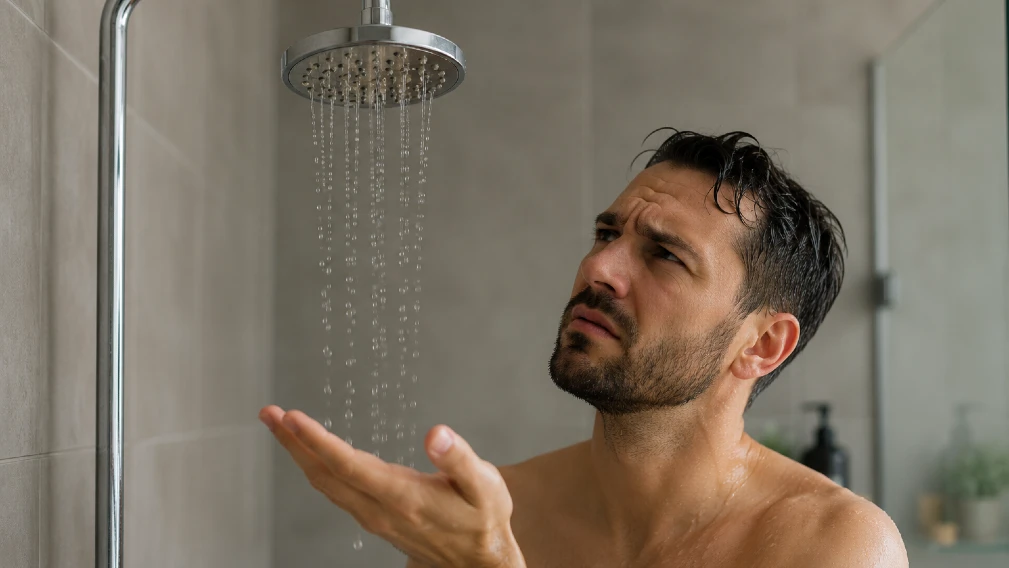
Low water pressure affects far more than just an unsatisfying shower. It can slow down dishwashers and washing machines, make it harder to rinse soap from dishes, and even create issues with appliances that rely on consistent water flow. For households with multiple plumbing fixtures running at once, low flow can mean someone is always left waiting their turn. In commercial settings, low water pressure can directly impact productivity and customer experience. This is why we encourage homeowners and business owners alike not to ignore the warning signs.
How to Fix Low Water Pressure
The right fix depends entirely on the cause, which is why a proper diagnosis matters so much.
- Check your main valve and any fixture shut-off valves to confirm they are fully open.
- Clean or replace aerators on any single fixture experiencing low pressure.
- Test your water pressure with a pressure gauge attached to an outdoor spigot to get an actual psi reading.
- Flush your water heater annually to prevent sediment from restricting hot water flow.
- Inspect for visible signs of a water leak, including pooling water, bubbling paint, or a rising water bill with no change in water usage.
- Have a professional plumber test your pressure regulator if pressure issues are widespread throughout the home.
- Consider a water softener if hard water and mineral deposits are a recurring issue.
- Replace corroded pipes, including old galvanized steel pipes, with copper or brass pipes for long-term reliability.
- Ask your water supplier about a booster pump if your home’s water pressure is consistently low due to municipal supply limitations, especially if pressure falls below 50 PSI.
Some of these are genuinely simple fixes you can handle yourself in an afternoon, while others, like replacing pipe sections, repairing a faulty pressure regulator, or locating hidden leaks, call for the experience and equipment of a professional plumber.
When to Call Heritage Services

If you have checked the easy fixes and your home’s water pressure is still inconsistent, low, or fluctuating without explanation, it is time to bring in a professional. Persistent low-pressure issues often require a professional plumbing inspection to properly diagnose, especially when the cause could be hidden leaks, a faulty pressure regulator, or corrosion deep inside your plumbing system that is not visible from the outside. Our technicians at Heritage Services are equipped to test your water meter valve, inspect your supply line, evaluate your water heater, and check every shut-off valve in your home to track down exactly what is causing your pressure problems.
We have built our reputation in the Oklahoma City area on honest diagnostics and lasting repairs, not quick patches that leave you calling again in a few months. Whether the issue turns out to be a single clogged aerator or a full repiping job involving corroded copper pipes throughout your home, we will walk you through your options and the costs involved before any work begins.
Water pressure problems are frustrating, but they are almost always solvable once the actual cause is identified. From checking your main valve to replacing aging galvanized steel pipes, there is a logical path to restoring normal flow throughout your home. If you have tried the basics and are still dealing with weak pressure, reach out to our team for plumbing services you can count on. We are ready to help you get your water pressure back to where it should be, so every faucet, shower, and appliance in your home works the way it is supposed to. Contact us today!