When the shower turns cold as someone starts the dishwasher, replacing an old heater feels urgent. Still, the gas vs electric water heater question deserves more thought than buying the same model again.
At Heritage Services, we help Oklahoma City-area homeowners make that decision. Gas water heaters may suit busy households with a natural gas connection. An electric water heater can be easier to install without gas service. Either can deliver dependable hot water when sized for your family—especially important when Oklahoma City temperatures drop below freezing.
Gas vs Electric Water Heater: The Short Answer
If your home already has a suitable gas line and several people need hot water around the same time, a gas model may be worth considering. Electric units often have a lower upfront cost and simpler installation requirements but may cost more to run. Local utility rates and your household’s hot water demands matter.
Heat pump water heaters use electricity differently from standard electric heaters. Compare conventional gas and electric water heaters first, using similar capacity and realistic installation quotes.
How Gas and Electric Water Heaters Work

Gas water heater
A gas hot water heater uses a gas burner beneath a storage tank. As hot water leaves, cold water enters. Gas-powered models need a reliable fuel source, safe gas line connections, and a proper venting system. They may use a standing pilot light or electronic ignition.
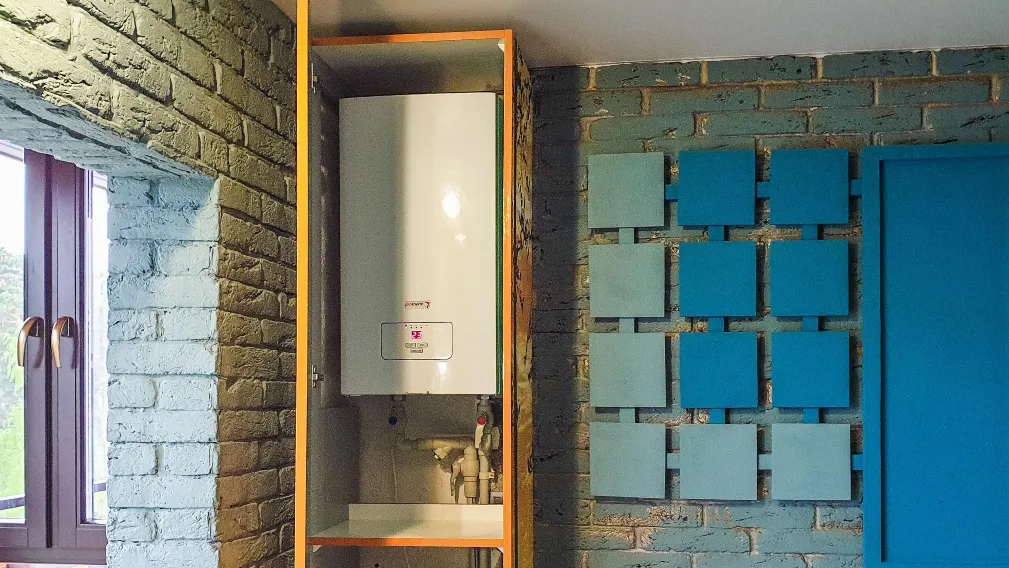
An electric hot water heater uses heating elements instead of a flame, so it needs no gas vent. Electric models do need suitable wiring and electrical capacity, especially when converting from gas to electric.
Our water heater installation and replacement team checks what is already in place before recommending a system. The right system depends on your home, not a generic price comparison.
Wall-mounted electric water heater

Which Costs More to Install and Operate?
Installation costs depend on the unit, tank size, existing connections, and work required to bring the setup up to code. A straightforward electric replacement may cost less upfront, while gas line or vent work can raise the price of a gas installation. Converting from gas to electric may require a dedicated circuit or panel upgrade.
The lower installation quote does not always point to the lower monthly bill. Natural gas can be cost-effective where gas prices are favorable. Electricity costs significantly more in some areas; elsewhere, an energy-efficient electric option may compare well. In most regions, energy bills depend on local rates, the model’s estimated energy costs, and household usage patterns.
For a gas vs electric comparison, add the installed price and several years of operating costs. If the water heater is your home’s only gas appliance, switching to electric may allow you to close the gas account and eliminate its fixed monthly charge.
Request a written installation quote and compare the EnergyGuide labels on the actual units.
Which One Keeps Up With a Busy Household?
Think about your busiest hour. Three showers, laundry, and kitchen cleanup can empty an undersized storage tank. As a general benchmark, many residential gas tank models recover about 40–50 gallons per hour, while standard electric tanks commonly recover about 15–20 gallons per hour. Actual performance depends on the burner input or element wattage, incoming water temperature, and the temperature rise used for the rating. Higher-input gas models can recover even faster. Quicker recovery can help high-demand households, but check the specifications instead of choosing by fuel alone.
Tank size tells you how much water is stored; the first-hour rating estimates delivery during a busy hour, including recovery. We ask how many fixtures may run at once and how much hot water the household uses during that hour. Oversizing wastes energy, while undersizing can leave the last shower lukewarm.
During power outages, some gas storage models with a standing pilot light can still operate. Gas units with powered controls or fans generally cannot operate without electricity. Electric heaters also stop heating, though stored water may stay warm. Check the exact model.
Energy Efficiency and Environmental Impact
Electric resistance models lose relatively little energy at the appliance, while conventional gas storage models lose some heat through combustion and venting. That does not automatically make electricity cheaper. Compare specific models using their Uniform Energy Factor, or UEF; a higher UEF indicates greater overall efficiency.
For lower energy use, consider a heat pump. It moves warmth from the surrounding air into tank water. ENERGY STAR-certified heat pump water heaters can use about 70% less energy than standard electric models, although actual savings depend on the installation process, operating mode, and local electricity rates.
Electric options have an environmental upside: no direct emissions at the appliance. Gas heaters burn fossil fuels and produce greenhouse gas emissions. Electricity generation can also produce emissions, so your carbon footprint depends on the power supply. Solar panels and your rate plan may affect the environmental impact and cost.
What About Tankless Water Heaters?
Tankless water heaters heat water on demand. Gas tankless water heaters may need a larger gas supply and specialized venting; whole-home electric tankless water heaters can require substantial electrical capacity.
Choosing tankless water heating does not mean unlimited flow. Output depends on the rated flow and incoming cold water temperature. For large households with high hot water demands, sizing is essential. Heritage Services offers tankless water heater installation and tankless water heater repair. We can help you compare a gas tankless system with a conventional storage tank.
Maintenance, Safety, and Long-Term Value

Electric heaters have fewer combustion components and may have lower maintenance costs than gas counterparts. Both types generally benefit from annual tank flushing to remove sediment, although the manufacturer’s instructions and local water conditions should guide the schedule. Gas and electric water heaters also need checks for leaks and corrosion. Gas water heaters need burner and vent inspections, and a pilot light problem warrants attention.
Mineral buildup can make a heater work harder. With proper maintenance, you may catch problems early. Our water heater maintenance service inspects the equipment. If you hear popping, notice a leak, or lose hot water, our repair team can evaluate repair versus replacement. A repair may be sensible for an otherwise healthy system; repeated repairs or a leaking tank tell a different story. We would rather explain those tradeoffs than recommend a new unit before checking the old one.
So, Should You Choose Gas or Electric?
Gas may be the better fit when you already have safe gas line connections, favorable gas prices, and a high demand for quick recovery. A standard electric model may suit a home without natural gas, a smaller budget for the initial purchase, or simpler installation requirements. A heat pump model deserves a closer look when lower long-term energy use matters and the installation space works.
There is no single winner in an electric vs gas water heater comparison. Compare the equipment, local utility rates, and total installed cost, then make sure the model can cover your busiest hour. Heritage Services can walk you through the gas and electric options without assuming that the same answer fits every Oklahoma City home. If your current heater is working, now is a good time to gather those numbers. You will have more room to choose carefully than you would after waking up to a cold shower or finding a leak on the floor.
Gas vs Electric Water Heater FAQs
Is gas or electric cheaper to run?
It depends on local gas prices, electricity rates, usage, and model efficiency. A conventional gas unit may cost less to operate in some homes, while a heat pump model can change the electric side of the comparison considerably. Ask for estimates based on your rates rather than relying on a blanket answer.
Can I replace a gas water heater with an electric one?
Often, yes, but the change may require electrical work and safe handling of the existing gas and vent connections. Have the installation requirements assessed before comparing final prices.
Do electric heaters last longer than gas heaters?
Gas tank water heaters commonly last about 8–12 years, while electric models often reach 10–15 years. These are planning ranges, not guarantees. Water quality, sizing, installation, and maintenance can shorten or extend the life of either type. An aging heater with recurring leaks or repairs should be evaluated on its condition, not age alone.
Are tankless water heaters better for large households?
They can be, if their flow rate supports the showers and fixtures used at the same time. Both gas tankless and electric models must be sized for incoming cold water temperatures and peak use.
Find the Right Water Heater for Your Home
A new hot water heater should make daily life easier, not leave you second-guessing the purchase every time an energy bill arrives. Whether you need a repair, a tank replacement, or help weighing gas vs electric water heater options, Heritage Services can evaluate your current setup and explain the next step. Contact our Oklahoma City area team at 405-348-5555 to discuss a water heater installation or service visit.
September 29, 2026
Gas vs Electric Water Heater: Which Is Right for Your Home?

Latest Blogs
See All
September 25, 2026
What to Do Immediately Central Air vs Window Units: Cost and Efficiency Comparison
September 22, 2026
Commercial Plumbing Services in Oklahoma for Businesses
September 18, 2026
Toilet Running Constantly: How to Fix It

September 11, 2026
Air Filter Replacement Frequency: How Often Should You Change Your Air Filter?