When an Oklahoma summer pushes the thermometer past 100 degrees, the question of central air vs window units becomes urgent. If your current air conditioner is struggling, or you’re finally ready to upgrade from a rattling window unit, you need clear answers fast. At Heritage Services, we’ve helped families and business owners across the Oklahoma City metro stay comfortable since 1967, and this is one of the most common questions our team hears.
Choosing between central air conditioning and window units involves balancing upfront costs and efficiency. The right choice actually depends on your budget, how much of your living space you need to cool, your home’s layout, and how long you plan to stay. In this guide, we break down everything you need to know about cost, energy efficiency, comfort, installation, maintenance, and resale value so you can make a confident decision.
Quick Answer: Central Air or Window Units?
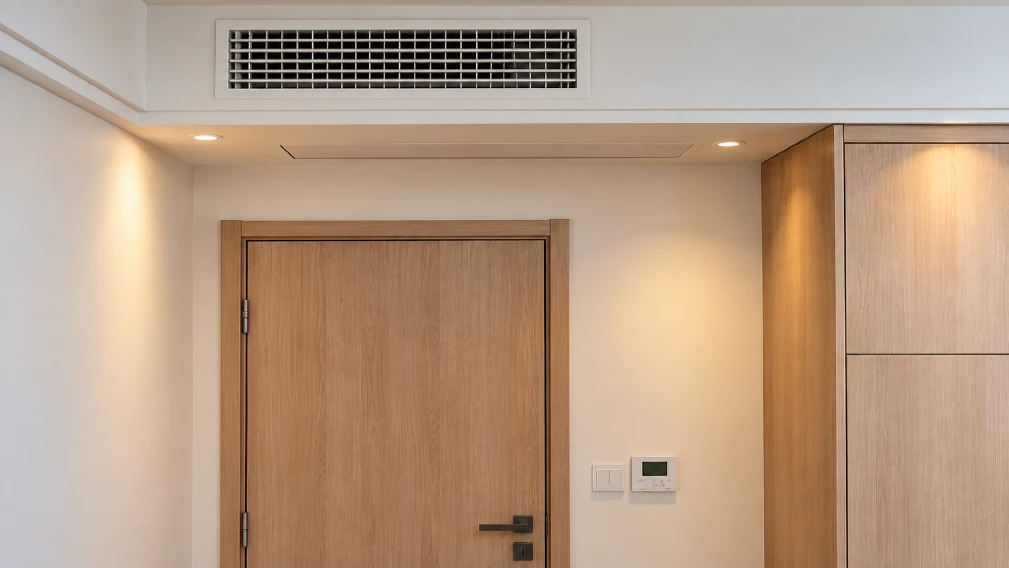
Here’s the short version. Window units are a good fit for renters, a small space, or anyone who only needs to cool one room or two on a tight budget. Central air is the better choice for whole house comfort, long-term value, quieter operation, and homes where you plan to stay for years.
If you need to act immediately, start with three steps. First, count how many rooms you actually need to keep cool. Second, check whether your home already has ductwork. Third, call an HVAC technician for an honest evaluation. Our team at Heritage Services can assess your home and tell you which cooling system makes the most sense for your situation.
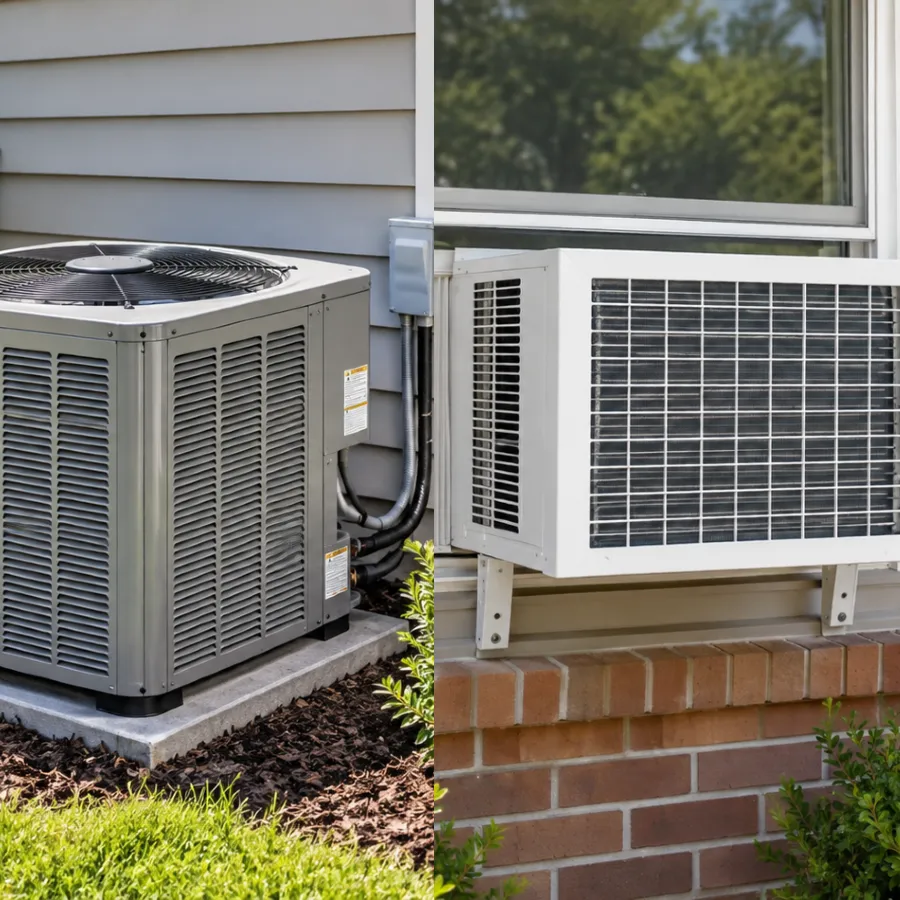
Central Air vs Window: Key Differences at a Glance
Before we dig into the details, here’s a side-by-side look at how these two options compare.
| Factor | Central Air | Window Units |
|---|---|---|
| Coverage | Entire home | Single room |
| Upfront cost | Around $2,800 to $5,500 | Roughly $150 to $700 per unit |
| Installation | Professional installation required | Often DIY, under an hour |
| Efficiency | Higher SEER ratings | Lower efficiency ratings |
| Humidity control | Whole house | Immediate area only |
| Noise | Quiet indoor operation | Noticeable compressor noise |
| Lifespan | 15 to 20 years | 8 to 10 years |
| Resale value | Significant boost | Rarely adds value |
Upfront Cost Comparison: Central Air vs Window Units
Cost is usually the first thing most homeowners think about, so let’s start there.
What Central Air Costs
Central air costs around $2,800 to $5,500 upfront for many standard installations. That number can climb depending on unit size, the condition of your existing ducts, and the efficiency level you choose. Central air systems require professional installation, which increases costs, but that professional work is also what ensures your system runs safely and efficiently for decades.
Several factors affect the price of a central air conditioning system:
- Unit size: Larger homes need more capacity, measured in British thermal units (BTUs) or tons.
- Ductwork: Homes with existing, healthy ducts cost far less to equip than homes that need new ducts.
- Furnace or air handler compatibility: Your new central air conditioner must pair correctly with your furnace or air handler to move air through the home.
- Electrical upgrades: Some homes need new circuits or panel work.
- Your home’s layout and ceiling height: Open floor plans, multiple stories, and high ceilings all influence system sizing and duct design.
What Window Units Cost
Window units are cheaper to buy and install than central air. Most window air conditioners run between $150 and $550 each, with higher-end inverter models reaching $700 or more. Window units can be installed by homeowners, saving labor costs, and installing a window unit typically takes under an hour.
The catch is that savings shrink quickly once you need several units. Cooling three rooms might mean spending $450 to $2,100 on window ac units alone, and you’ll likely replace them more often than a central unit.
Operating Costs and Energy Efficiency
Upfront price only tells part of the story. What you pay every month on your electric bill matters just as much, especially during long Oklahoma summers.
Monthly Energy Costs by Scenario
Monthly energy costs for central air are higher than for window units when you’re comparing a whole-home system to a single window unit cooling a single room. But that comparison rarely reflects how people actually live. Here’s how it usually plays out based on typical wattage and runtime:
- One 1,000-watt window unit running 10 hours a day uses about 300 kWh per month, roughly $40 to $50.
- Three window units at the same usage use about 900 kWh per month, roughly $120 to $150.
- A 3-ton central ac system running 8 hours a day uses about 768 kWh per month, roughly $100 to $120, while cooling the entire home.
Actual costs vary with your utility rates, insulation, and thermostat settings, but the pattern holds. Multiple window units can exceed the energy use of central air. Once you’re trying to cool several rooms, several window units often use more energy and deliver less comfort than one properly sized central system.
Understanding SEER Ratings
The seasonal energy efficiency ratio, or SEER, measures how much cooling a central air conditioner delivers for each unit of electricity it uses over a cooling season. Window ac units are typically rated using EER, a similar measure. Higher numbers mean the system cools your home using less electricity.
Central air systems typically have higher SEER ratings than window units. Modern air conditioners with higher SEER ratings can dramatically lower your energy consumption compared to older equipment. That’s why central air is more efficient for cooling multiple rooms simultaneously, and why central air conditioning is more energy efficient for larger spaces compared to multiple window units.
Sizing Matters: British Thermal Units and Square Footage
A single window unit cools about 500 to 600 square feet. That’s plenty for a bedroom or small office, but a window unit cools only the space where it’s installed. Stretch it across an open living area and it will run constantly, use more energy, and still leave corners warm.
A properly sized central system is calculated for your home’s total square foot area, insulation, window exposure, and ceiling height. Our HVAC technicians perform careful load calculations so your system cools efficiently without short-cycling or overworking.
Smart Thermostats Help You Save Energy
Pairing central air with smart thermostats is one of the easiest ways to save energy and save money. You can set schedules, adjust temperatures from your phone, and avoid cooling an empty house. It’s a level of control that’s hard to match when you’re managing several units scattered across various rooms.
Comfort, Humidity Control, and Indoor Air Quality
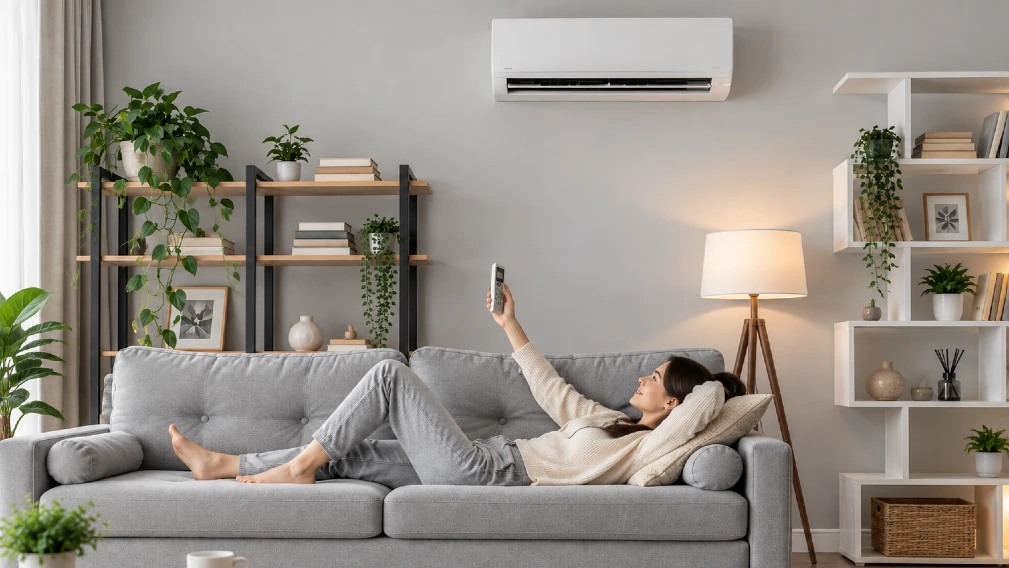
Numbers matter, but so does how your home feels when you walk through the door on a July afternoon.
Even Cooling Throughout the Home
Central air cools an entire home evenly. The system cools every room from a single thermostat, pushing cool air through ducts so bedrooms, hallways, and living areas stay consistent. Window units are localized solutions designed to cool specific spaces where they are installed, which often leaves hot spots in hallways and individual rooms without a unit.
Humidity Control in Oklahoma’s Climate
Oklahoma summers bring heat and humidity, and that combination is where central air shines. Central air conditioning is generally more suitable in extreme climates with high humidity. Central air effectively manages humidity across the entire home, which makes the air feel cooler and more comfortable at the same thermostat setting.
Window units only control humidity in their immediate area, and they have limited dehumidification power. On the hottest days, window units can struggle to keep up with high heat indices during peak summer temperatures, leaving you sticky and uncomfortable even with the unit running full blast.
Cleaner Air and Better Indoor Air Quality
Air quality is another huge advantage of central systems. Central air circulates filtered air through ducts for consistent quality, and central air systems use larger filters for better air quality. That means cleaner air in every room, which matters for families dealing with allergies, pets, or Oklahoma’s spring pollen.
Window units filter air locally, and their small filters clog faster. Window units require more frequent filter changes than central air to keep performing well. If indoor air quality is a priority, our team at Heritage Services also offers Indoor Air Quality solutions that work alongside your central air conditioning system.
Noise Levels
Central air keeps the noisiest components outside, so indoor operation is usually a gentle background hum. Window air conditioning units place the compressor right in your window, and many standard models produce noticeable noise and vibration. That can be disruptive in bedrooms and home offices.
Aesthetics, Light, and Security
Window units block light and views and may pose security risks. A unit sitting in a first-floor window can be easier to remove than a locked window, and it’s visible inside and out. From the street, several units hanging out of windows can hurt your home’s curb appeal. With central air, the equipment stays hidden except for vents and a discreet outdoor condenser.
Installation Requirements and Home Compatibility
Understanding what installation involves helps you plan your budget and timeline.
Central Air Installation
Central air requires professional installation of indoor and outdoor machinery. Central air installation requires professional work on ducting and wiring, along with careful matching to your furnace or air handler. Central air systems require significant modifications to the home when ducts aren’t already in place, and central air installation can be complex in homes without existing ducts.
This is where experience matters. Our HVAC installation team at Heritage Services handles every step, from load calculations and duct evaluation to electrical work, permits, and final testing. Professional installation protects your investment, keeps your warranty valid, and ensures your system runs at its rated efficiency.
Window Unit Installation
Window units can often be installed by homeowners themselves. You’ll need a compatible window, a properly rated outlet, and secure mounting with sealed gaps to keep cool air in and hot air out. Not every window or architectural style accommodates larger units, and some HOAs restrict them.
Older Homes and Ductless Alternatives
For older homes without ducts, a full central air retrofit isn’t always practical. In these cases, ductless mini splits can be an excellent middle ground. A ductless mini system delivers quiet, energy efficient cooling to individual rooms or zones without the need for ductwork, and mini splits avoid the window obstruction issues of traditional units. Our team can help you compare options if your home isn’t a good candidate for traditional central ac.
Maintenance, Repairs, and Lifespan
Every ac unit needs care, but the type and frequency differ significantly.
Central Air Maintenance
Central air requires annual professional maintenance checks. Central air maintenance includes coil cleaning and refrigerant checks, along with inspecting electrical connections, drain lines, and airflow. Homeowners should also change filters every one to three months.
With regular maintenance, central air systems typically last 15 to 20 years. That long lifespan is a big part of why central air is often the most efficient option over time. Our M Service memberships make it easy to stay on schedule, with discounts and customer benefits that help protect your system year after year.
Window Unit Maintenance
Window units mainly need filter cleaning or replacement, and window units can be maintained by homeowners easily. Periodic coil cleaning and seasonal removal or covering also help. Window units usually last around 8 to 10 years with care, which means you may replace several units over the same period a single central air conditioner keeps running.
Resale Value and Home Market Appeal
If you own your home, your cooling system affects its future value.
Central air systems boost home resale value significantly, and homes with central air sell faster than those with window units. Buyers today expect it, especially in hot climates like ours. Central air conditioning is seen as a sign of a modern home, and high-efficiency central air models attract buyers due to lower costs on monthly utility bills.
Window units rarely add value to a home. In many cases, buyers see them as a sign that they’ll need to budget for central air themselves, and they may adjust their offer accordingly.
When Central Air Is the Better Choice
Central air is usually the smarter investment if:
- You own your home and plan to stay five years or more.
- You want consistent comfort across the entire house.
- You live in a hot, humid climate like the Oklahoma City metro.
- Your home already has ductwork or you’re planning a renovation.
- Resale value and curb appeal matter to you.
- You value the convenience central air provides, with one thermostat controlling your whole house.
For many homeowners, the combination of comfort, efficiency, and home value makes central air the clear winner.
When Window Units Are the Better Choice
Window units can make sense if:
- You rent or plan to move within a few years.
- You only need to cool one room or a small space.
- Your budget can’t accommodate a central unit right now.
- Your home lacks ducts and retrofitting isn’t practical.
- You want a temporary solution while you plan a larger upgrade.
Hybrid Strategies: Combining Both
Some homeowners use both systems strategically. Central air handles the main living areas, while a window unit covers a garage workshop or a bonus room used at odd hours. Others keep a window ac on hand as a backup during extreme heat waves. It’s a practical approach for larger spaces with unusual layouts.
Frequently Asked Questions
Is central air cheaper than window units in the long run?
For cooling multiple rooms, usually yes. Central air uses less energy per room cooled, lasts longer, and adds resale value.
Can window units cool an entire home?
Not effectively. Each window unit cools about 500 to 600 square feet, so cooling a whole home requires several units that often cost more to run than a central system.
Which is quieter?
Central air is generally much quieter indoors because the compressor sits outside.
How long does central air last?
With regular maintenance, central air systems typically last 15 to 20 years.
Should I consider ductless mini splits instead?
If your home has no ducts, ductless mini splits are often a great alternative to multiple window units.
Ready to Decide Between Central Air and Window Units?
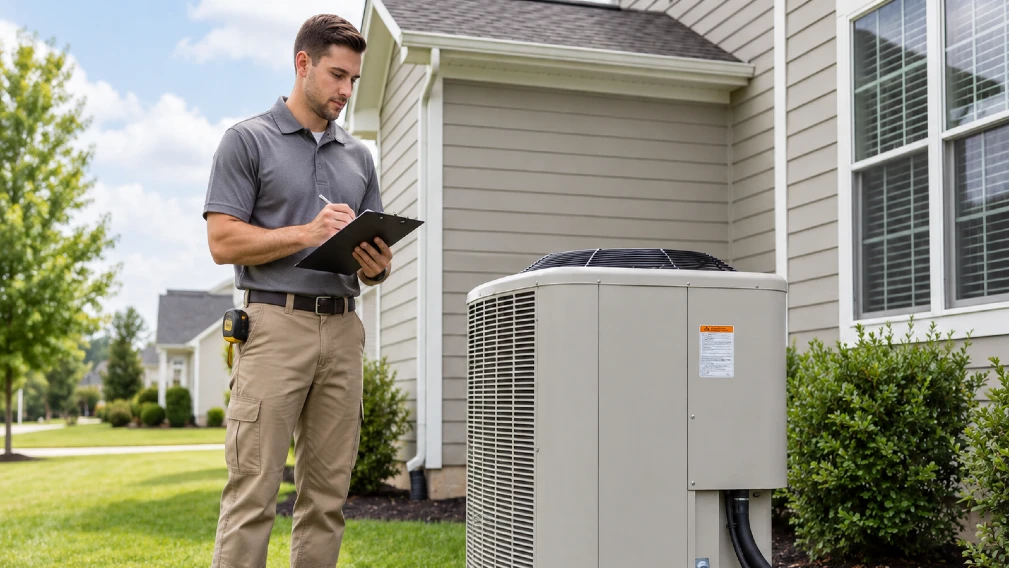
The debate over central air vs window units comes down to your home, your budget, and your long-term goals. For most homeowners in the Oklahoma City metro, central air conditioning delivers better comfort, stronger humidity control, cleaner air, and lasting value that window units simply can’t match.
At Heritage Services, we’ve been keeping Oklahoma homes cool for over 50 years. Our licensed technicians provide honest evaluations, competitive pricing, and financing options to make your upgrade affordable. We arrive on time, respect your home, and clean up before we leave. Whether you need expert HVAC installation, a repair, or advice on the best cooling system for your home, we’re here to help.
Serving Edmond, Oklahoma City, Deer Creek, Guthrie, Moore, Piedmont, and Yukon. Call Heritage Services today at 405-348-5555 or contact us online to schedule your consultation.
September 25, 2026
What to Do Immediately Central Air vs Window Units: Cost and Efficiency Comparison
Latest Blogs
See All
September 22, 2026
Commercial Plumbing Services in Oklahoma for Businesses

September 18, 2026
Toilet Running Constantly: How to Fix It

September 11, 2026
Air Filter Replacement Frequency: How Often Should You Change Your Air Filter?

September 6, 2026
Repiping Your Home: Signs, Costs, and Process