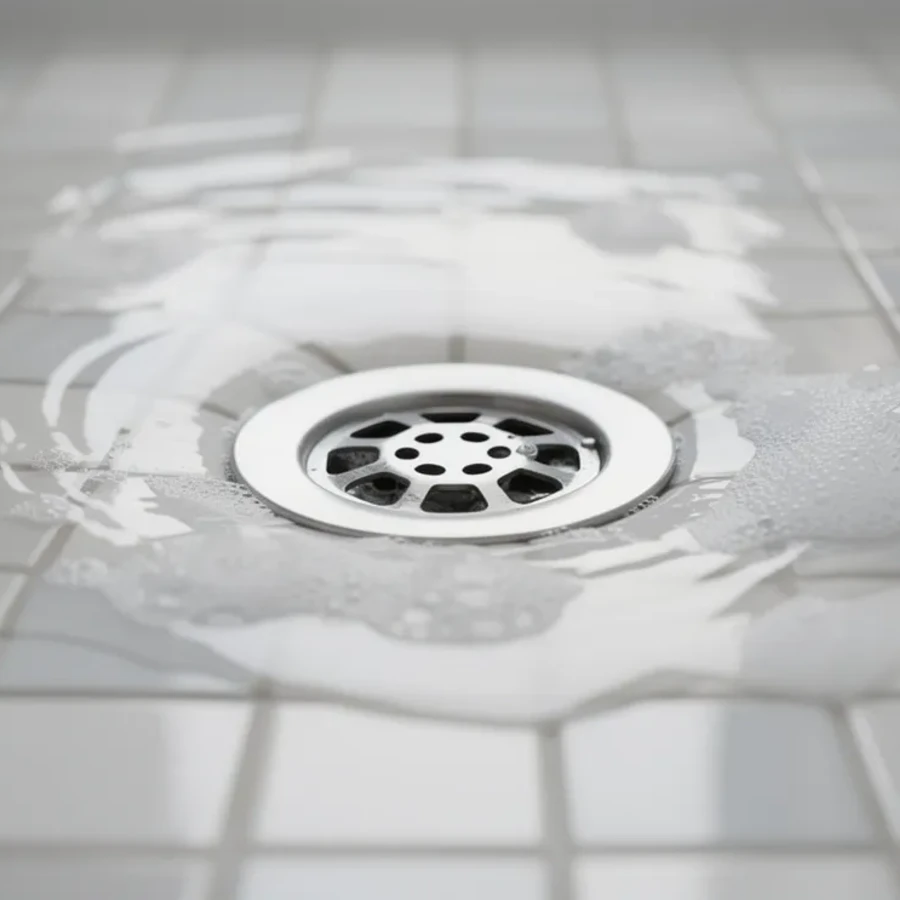
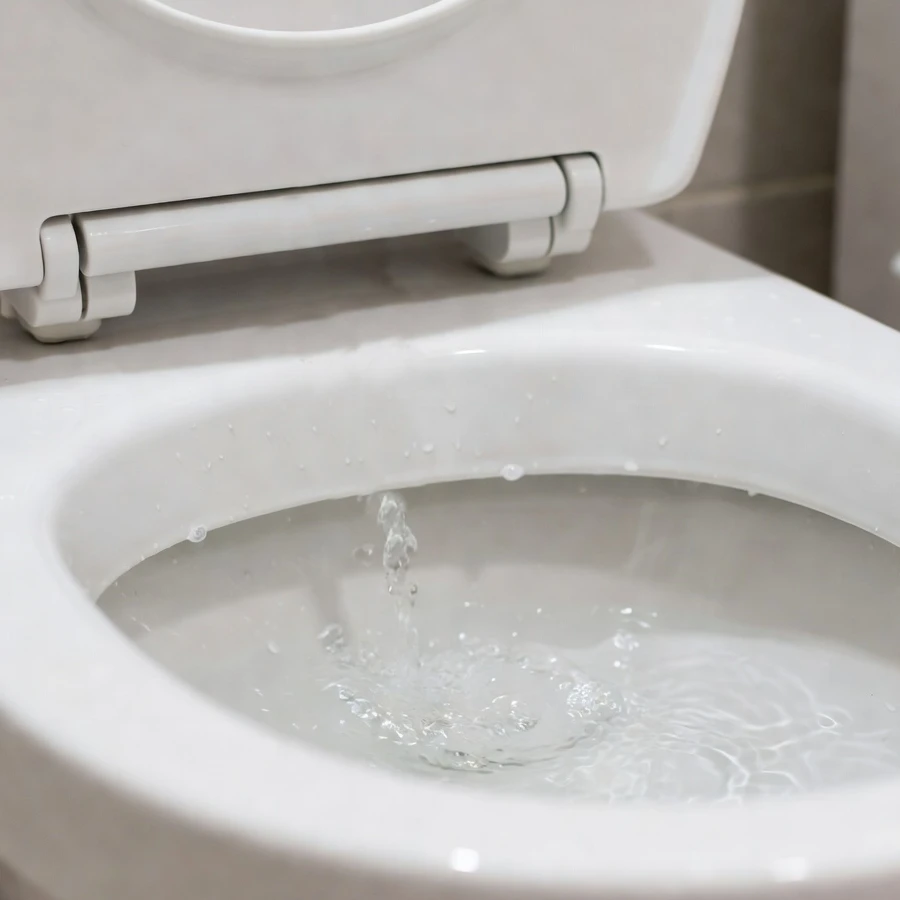
If you have ever lain awake listening to a toilet running constantly, you already know how annoying it can be. But beyond the noise, a constantly running toilet can waste up to 200 gallons of water a day. That kind of water waste can add $20 to $30 to your monthly water bill, which totals $240 to $360 in wasted costs over a year.
Left unaddressed for five years, that same running toilet can waste hundreds of dollars, sometimes as much as $1,200 to $1,800 in wasted costs. At Heritage Services, we have been helping homeowners across the Oklahoma City metro fix these issues since 1967, and we want to walk you through why your toilet is running, how to check it yourself, and when it is time to call in a professional plumber.
Why Is My Toilet Running Constantly?
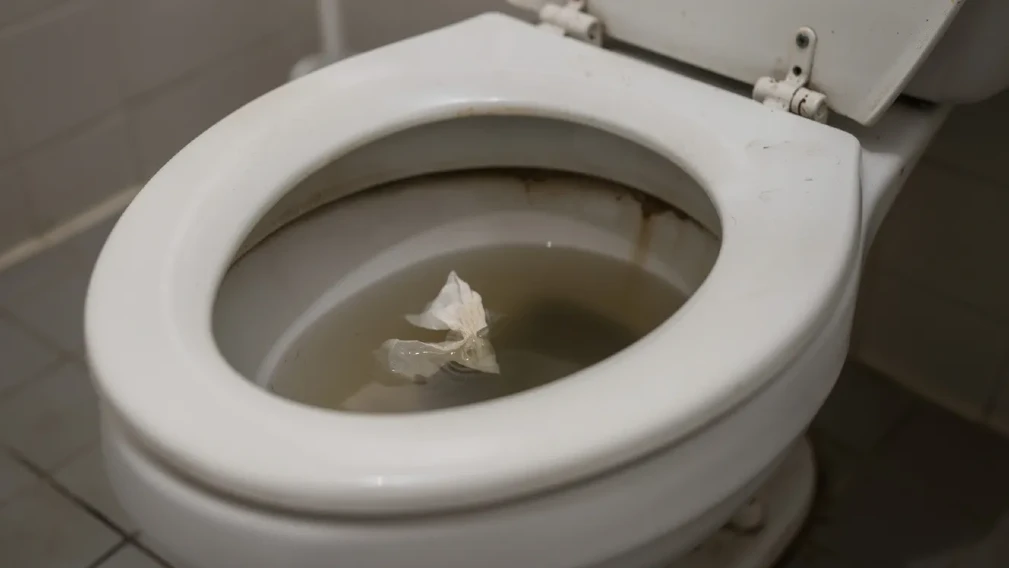
A running toilet almost always comes down to one of a handful of common reasons. The good news is that most of these issues are simple to diagnose once you know where to look. The most common reasons include a worn-out flapper, a misadjusted chain, a faulty fill valve, or an incorrect water level in the tank. Each of these tank parts plays a role in the flush mechanism, and when even one of them is out of place, water can continuously flow long after the toilet has been flushed.
To understand what is happening, it helps to
know how the toilet works inside the tank. Every time you flush, the flush valve opens and lets tank water rush into the bowl. Once the tank empties, the flapper is supposed to drop back down and seal the flush valve opening. At the same time, the fill valve refills the tank with fresh water through the refill tube, and the float controls when that refilling stops. When everything is working correctly, the float rises with the water level, shuts off the fill valve at the right point, and once the tank refills properly, the toilet is ready for the next flush. When something goes wrong with any of these parts, finding the root cause of that constant flow is what tells you why the water never really shuts off, or why the toilet quietly refills itself every few minutes even when no one has touched the flush handle.
The Most Common Culprit: A Worn Flapper
If your toilet is running, the flapper is the most common cause and the first thing we recommend checking. The rubber seal on the flapper sits at the bottom of the tank, covering the flush valve. Over time, rubber deteriorates from constant exposure to tank water, chlorine, and mineral buildup. A worn flapper may not sit flat anymore, which means it will not be sealing properly, allowing water to pass into the toilet bowl from the tank. This is why you might notice your toilet running quietly on and off throughout the day, even though it looks fine at rest.
To check the flapper, remove the tank lid and take a look. If it appears warped, cracked, or coated in mineral buildup, it is probably time to replace it. Replacing a flapper is one of the easiest fixes in this entire guide. It typically takes only 10 to 20 minutes, requires no special tools, and replacement flappers are available at most hardware stores for just a few dollars. If you are not sure whether the flapper is the issue, try the food coloring test. Add a few drops of food coloring to the tank water, wait 15 to 20 minutes without flushing, and then check the bowl. If any color has made its way into the bowl, that confirms water is leaking past the flapper and it needs to be replaced.
Check the Chain Connection
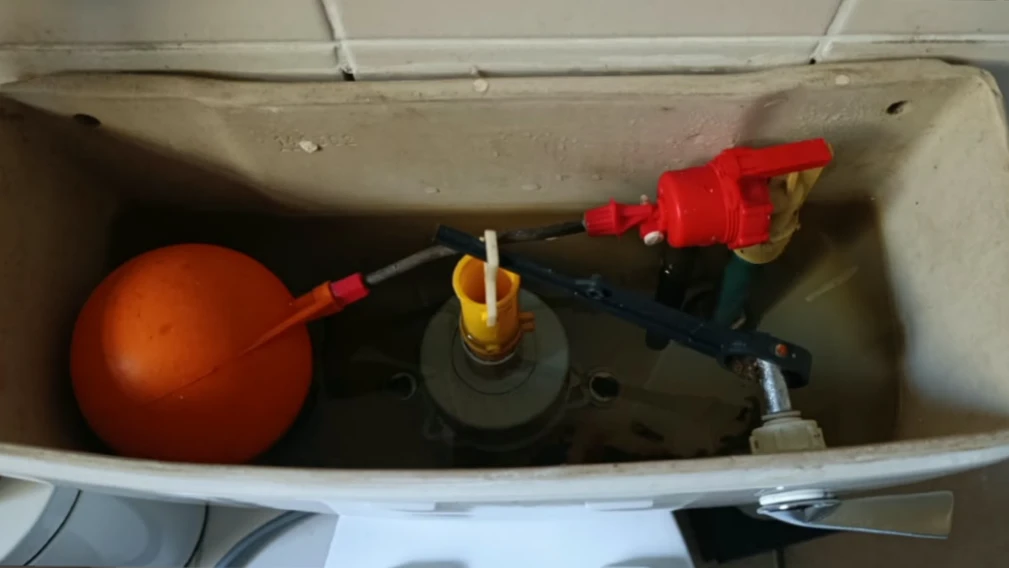
Right alongside the flapper, the chain connects the flapper to the flush handle, and this small piece is often overlooked. If the chain is too long, it can get caught underneath the flapper and prevent it from sealing properly, causing a constant flow of water into the bowl. If the chain is too short, the flapper may not close all the way after a flush. When you check the flapper, always inspect the chain as well and make sure there is a little slack when the flapper is closed. Adjusting the chain length takes just a couple of minutes and often solves a running toilet on its own.
Fill Valve, Overflow Tube, and Float Issues
If you have checked the flapper and chain and your toilet keeps running, the next place to look is the fill valve and float. The fill valve controls how tank water refills after a flush, and the float tells the fill valve when to stop. On older toilets, a misadjusted float ball can cause water to overflow into the tube instead of stopping at the correct level. If the water level in the tank is set too high, it will constantly spill into the overflow tube, and these float problems can also cause water spills into the toilet bowl in a slow, continuous trickle you may barely notice.
The fix here is usually as simple as adjusting the float so the water level sits about one inch below the top of the overflow tube. Depending on your toilet, this might mean bending a float arm, turning a screw on top of the fill valve, or sliding a clip along a rod. A faulty fill valve can also lead to continuous water flow even after you have adjusted the float correctly. If that is the case, the fill valve itself may need to be replaced. Replacement fill valves are inexpensive, usually costing between $15 and $30, and installing one typically takes about 30 minutes for someone comfortable using basic tools.
What to Do When You Notice a Running Toilet
Here is a simple approach for most homeowners to follow when they notice a toilet running:
- Turn off the water supply valve behind the toilet if the water is spilling excessively or you are concerned about water waste while you investigate.
- Remove the tank lid and observe how the internal tank parts behave during and after a flush, and listen for running water.
- Check the flapper for mineral buildup, warping, or cracks that may affect its seal.
- Inspect the chain to make sure it has proper slack and is not tangled.
- Check the water level in the tank and adjust the float height if the level is too high.
- Inspect the base and connections for any water leaking or leaks that might cause the tank to keep refilling.
Working through this checklist covers the most common reasons behind a constantly running toilet, and in many cases you can solve the problem yourself with basic tools and a trip to your local hardware store.
When It Is Time to Call a Professional Plumber
While many of these fixes are within reach for most homeowners, some situations call for a licensed plumber. If your toilet keeps running after you have replaced the flapper, adjusted the chain, and checked the fill valve and float, there may be a deeper issue with the flush mechanism or tank parts that needs a trained eye. Water leaking around the base of the toilet is another sign that it is time to call a local plumber, since this can point to a failing wax ring or a cracked tank, and waiting too long can turn a manageable repair into a major repair.
Older toilets in particular may need professional help for persistent issues, since tank parts that have collected mineral buildup over many years can be harder to source or replace correctly without the right experience. A professional plumber can also diagnose deeper plumbing issues beyond the toilet itself, including problems with your home’s broader water supply that a simple parts swap will not solve.
Trust Heritage Services With Your Toilet Repair
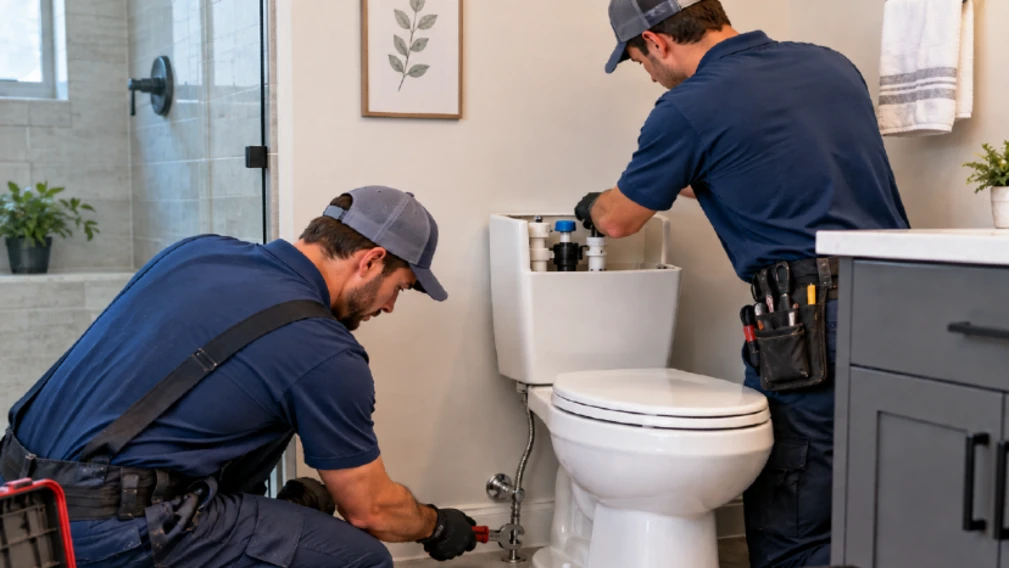
At Heritage Services, we understand that a running toilet is more than a minor annoyance. It is wasted water, higher utility bills, and a sign that something in your toilet tank needs attention; running toilet waste adds up quickly in both water loss and monthly costs. Our licensed technicians have been providing trusted toilet repair and plumbing solutions across the Oklahoma City metro for over 50 years, and we take pride in offering fast, affordable, and reliable service every time.
Whether you need a simple flapper replacement, a new fill valve, or a full inspection to track down water leaks that will not go away, our team is ready to help. We arrive on time, we treat your home with respect, and we make sure the job is done right the first time. Do not let a running toilet keep wasting water and driving up your bills. Contact Heritage Services today and let our experienced team get your toilet running the way it should.
September 18, 2026
Toilet Running Constantly: How to Fix It
Latest Blogs
See All
September 11, 2026
Air Filter Replacement Frequency: How Often Should You Change Your Air Filter?

September 6, 2026
Repiping Your Home: Signs, Costs, and Process
September 4, 2026
Burst Pipe Emergency: What to Do When a Pipe Bursts
August 24, 2026
Shower Not Draining: Causes and DIY Fixes