A plumbing leak rarely announces itself. Most water leaks start small, hidden inside walls, under floors, or deep in underground pipes, and they quietly grow until the damage is impossible to ignore. By then, homeowners are often facing warped floors, stained ceilings, mold growth, and repair costs in the thousands of dollars.
At Heritage Services, we have helped Oklahoma City metro homeowners find leaks and protect their property since 1967. Over 50 years in the plumbing business has taught us one simple truth: early detection is the single best way to avoid costly water damage. Leak detection can prevent costly water damage and mold growth, and timely leak detection can save homeowners hundreds on water bills.
In this guide, our team walks you through the visible signs of a leak, the DIY tests you can run today, and the leak detection equipment our professionals use to locate hidden problems without tearing your house apart. You will also learn when it is time to call a professional plumber and how to protect your plumbing system going forward.
Common Signs of a Hidden Plumbing Leak
Knowing what to look for is the first step to find leaks before they spread. Our technicians see the same red flags in homes across Edmond, Moore, Yukon, and Oklahoma City every week.
Unexplained Spikes in Water Bills
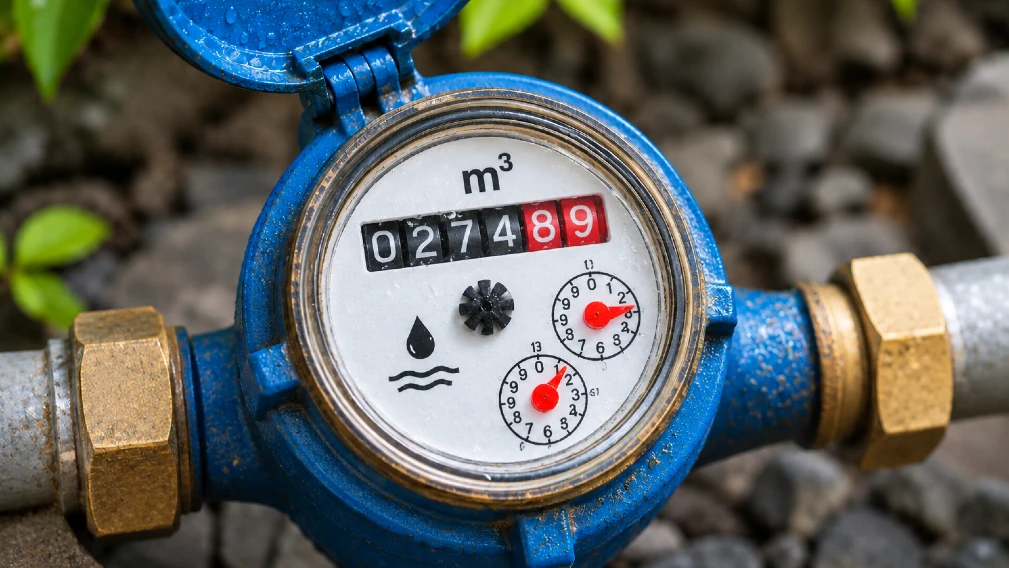
Unexplained spikes in water bills suggest possible leaks. If your household habits have not changed but your bill keeps climbing, water is likely escaping somewhere in your plumbing system. Small leaks can waste hundreds of gallons of water annually, and those gallons show up on your statement.
Damp Spots, Stains, and Bubbling Paint
Damp spots on walls or floors can indicate leaks. Water stains on ceilings indicate potential leaks, especially below bathrooms or upstairs laundry rooms. Bubbling paint on ceilings often points to water leaks, as moisture collects behind the surface and pushes the paint away from the drywall.
Musty Odors, Mold, and Mildew
Visual signs of leaks include musty odors, peeling paint, and warped flooring. Water leaks can cause mold and mildew growth in as little as 24 to 48 hours. Mold growth often signals hidden plumbing leaks, so if you notice mildew in a closet, basement, or under a sink, there is a good chance a pipe nearby is leaking.
Reduced Water Pressure
Reduced water pressure at multiple water fixtures can point to a leak in your main line. When water escapes before it reaches the faucet, pressure drops.
Warm Floors and Pooling Water
A warm spot on the floor can indicate a hot water leak beneath the slab. Outside, pooling water, soggy soil, or patches of unusually green grass can signal a break in the service line running underground.
What Causes Leaks in Oklahoma Homes
Every region has its own plumbing challenges, and central Oklahoma is no exception. Environmental factors like clay soils can lead to plumbing issues in Oklahoma. Our expansive red clay swells when it is wet and shrinks during dry spells, shifting the ground around your foundation and putting stress on the pipes buried beneath it.
Seasonal temperature extremes can stress and crack buried water lines. A hard freeze in January followed by triple-digit heat in August means pipes expand and contract all year long. Over time, joints loosen and small cracks form.
Other common causes our plumbers find include:
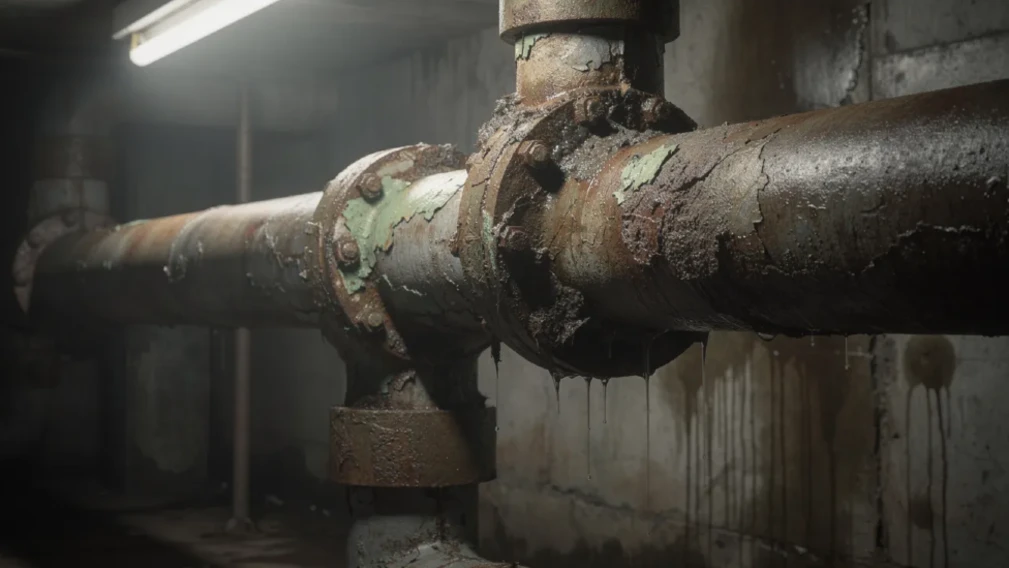
- Corroded or aging pipes, especially in older houses with galvanized steel lines
- High water pressure that strains fittings and water fixtures
- A stubborn clog that builds pressure behind it in a drain line
- Tree roots working into underground pipes and sewer lines
- Worn seals around toilets, sinks, and appliances
Understanding the common cause behind a leak helps our team recommend the right repair, not just a quick patch.
DIY Leak Detection You Can Do Today
DIY leak detection includes checking the water meter and using food coloring in toilets. These simple tests cost little or nothing and can confirm whether you have a problem before you call us.
The Water Meter Test
The water meter test is a primary method for leak detection. Monitoring the water meter can help identify plumbing leaks early. Here is how to run it:
- Shut off every faucet, appliance, and irrigation system inside and outside the house.
- Locate your water meter, usually near the street in a ground-level box, and note the reading or the small leak indicator dial.
- Wait one to two hours without using any water.
- Check the meter again. If the numbers moved or the dial spun, you have a leak.
To narrow it down, shut the main valve at your house and recheck. If the meter keeps moving, the leak is in the service line between the meter and your home. If it stops, the leak is inside.
The Toilet Dye Test
Toilets are one of the most overlooked sources of water leaks. Add a few drops of food coloring to the tank and wait 10 minutes without flushing. If color appears in the bowl, the flapper or fill valve is leaking.
A Quick Visual Inspection
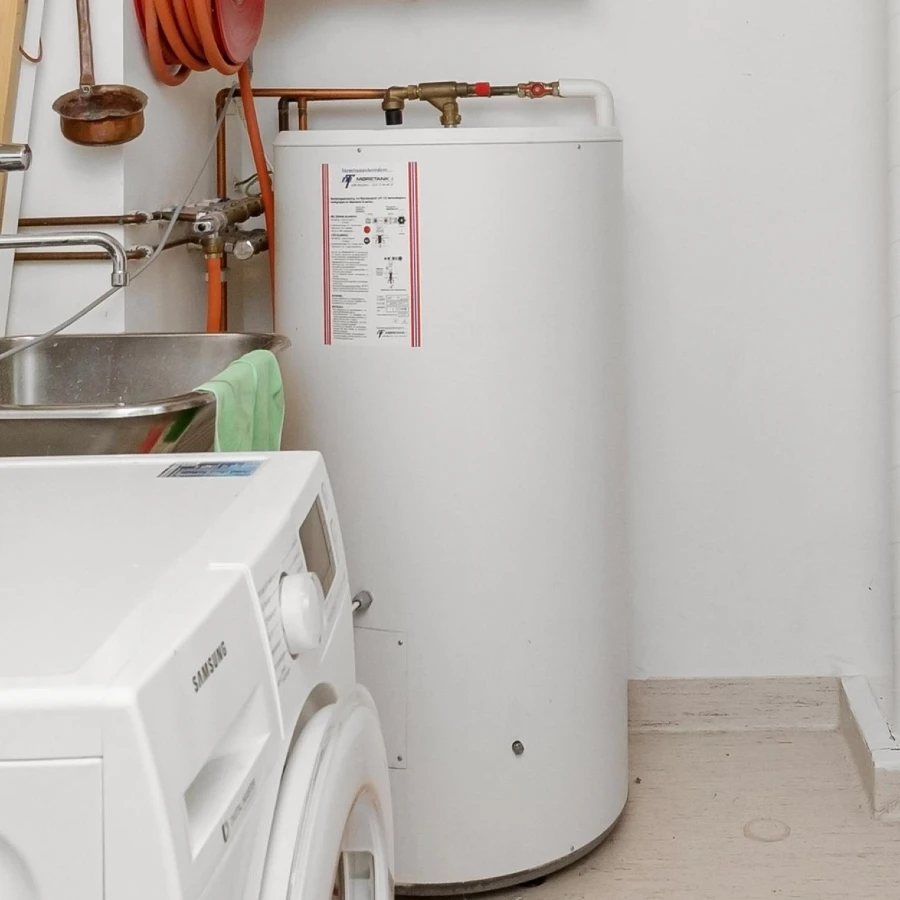
Visual inspections can reveal dampness or discoloration indicating plumbing issues. Open the cabinet under each sink, check around the water heater, dishwasher, and washing machine, and look for corrosion, mineral deposits, or pooling water. Do not forget the basement, crawl space, and attic.
You can also install a smart water leak detector near high-risk appliances. Smart water leak detectors provide real-time alerts to your phone, giving you a head start before a small drip becomes a flood.
How Heritage Services Finds Hidden Leaks
When DIY tests confirm a leak but cannot pinpoint it, our leak detection services take over. Professional leak detection uses advanced tools like infrared cameras, and the most effective methods for detecting residential plumbing leaks rely on non-invasive diagnostics. That means fewer holes in your walls and floors and a faster, more affordable repair.
Acoustic Leak Detection
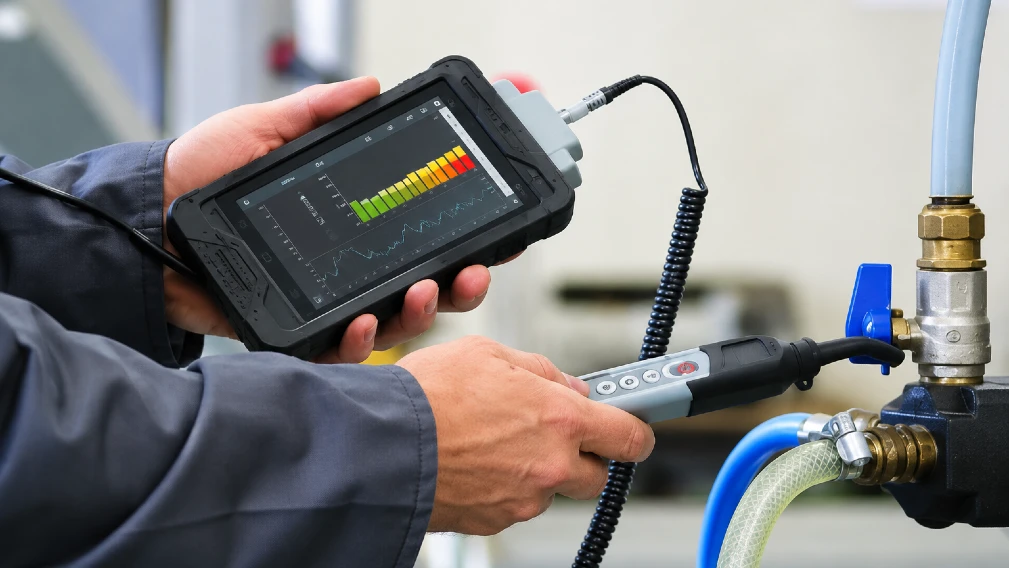
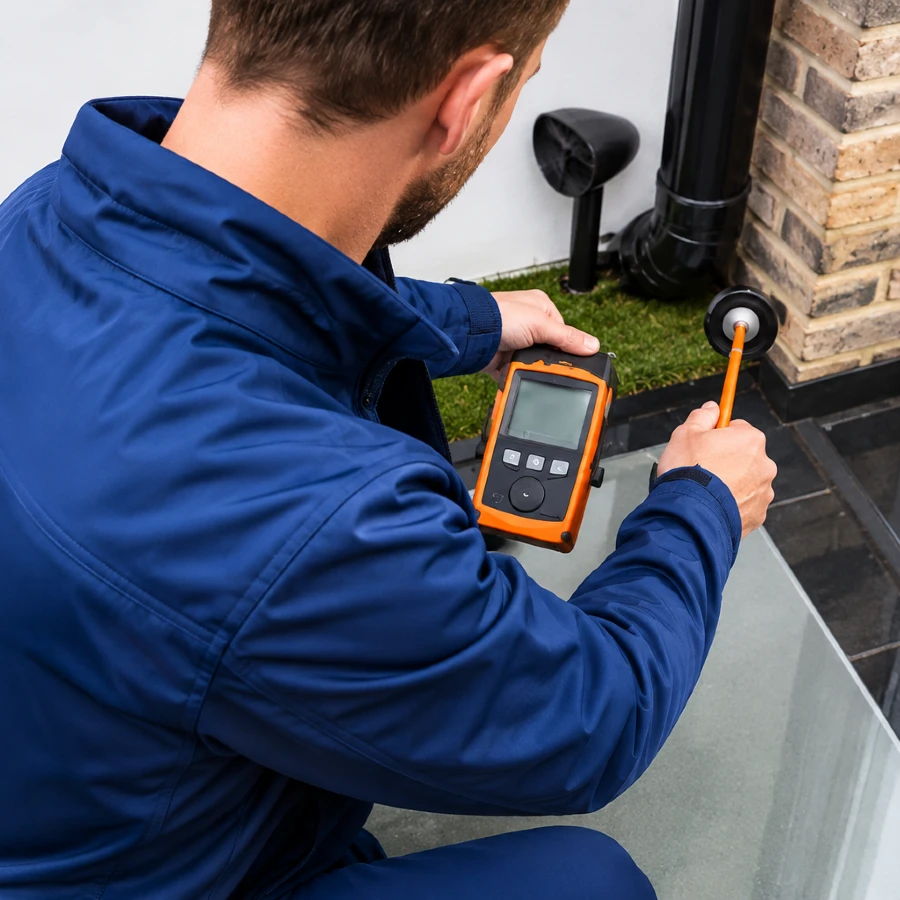
Acoustic leak detection uses sound to locate leaks. Electronic acoustic leak detection amplifies sounds of escaping water, letting our technicians hear pressurized water hissing through a crack even under concrete. Acoustic sensors help locate hidden leaks without invasive digging, which makes this technology ideal for slab and underground leaks.
Thermal Imaging
Thermal imaging detects leaks by mapping heat signatures. Infrared thermal imaging detects temperature differences from leaking hot water lines, and it also reveals cool, wet areas behind drywall and ceilings. Our infrared cameras let us see what the eye cannot, without cutting a single hole.
Moisture Meters
Moisture meters measure dampness to identify leaks. We use these devices to confirm how far water has spread into drywall, wood framing, and subfloors, which helps us determine the full scope of any water damage.
Pressure Testing
Pressure testing checks for leaks in plumbing systems. We isolate a section of line, pressurize it, and watch for a pressure drop. This process confirms exactly which pipe is failing.
Video Camera Inspection
Video camera inspections allow for visual assessment of sewer systems and pipes. We feed a waterproof camera into your drain or sewer line to spot cracks, root intrusion, or a clog in real time.
By combining these tools, our team can locate the exact point of a leak, protect the integrity of your structure, and complete the repair with minimal disruption.
The Real Cost of Ignoring Water Leaks

It is tempting to put off a slow drip, but waiting almost always costs more. Ignoring leaks can lead to structural damage, as water softens drywall, rots wood framing, and weakens subfloors. A slab leak left alone can even erode the soil beneath your foundation.
Water damage can lead to significant repair costs, often running into thousands of dollars once flooring, cabinets, and drywall need replacing. Then there is the health risk. Mold and mildew spread quickly in damp, dark spaces and can affect indoor air quality and your family’s safety.
On the other side of the ledger, timely leak detection saves money on utility bills and keeps a small repair small. Professional services can identify leaks before they cause damage, which is why we always tell homeowners that a leak detection inspection is an investment, not an expense.
When to Call a Professional Plumber
DIY tests are great for confirming a leak, but some situations need professional leak detection equipment and experience. Call Heritage Services if:
- Your water meter test shows a leak, but you cannot find the source
- You notice a warm spot on the floor or suspect a slab leak
- You see water stains on ceilings, damp spots on walls, or cracks in the foundation
- There is pooling water in the yard or the ground feels soggy over your service line
- You smell musty odors or see mold with no obvious cause
- Leaking pipes have caused active flooding or major water damage
In an emergency, shut off your main water valve first, then call us at 405-348-5555. Our licensed technicians offer 24/7 emergency service across the Oklahoma City metro.
How to Prevent Future Plumbing Leaks
The best leak is the one that never happens. A few simple habits go a long way toward protecting your plumbing:
- Schedule regular inspections. An annual plumbing inspection lets us catch worn fittings, corrosion, and weak spots early.
- Watch your water pressure. Pressure above 80 PSI stresses pipes and fixtures. We can install a pressure regulator if yours runs high.
- Insulate exposed pipes. Oklahoma winters can freeze and burst pipes in attics, crawl spaces, and exterior walls.
- Check your water meter monthly. A quick look can reveal a hidden leak before it shows up on your bill.
- Install smart leak detectors. Place devices near the water heater, washing machine, and under sinks for instant alerts.
Our M Service memberships make prevention easy, with preventative maintenance, member discounts, and customer benefits on plumbing and HVAC service.
Frequently Asked Questions About Leak Detection
How do I know if I have a plumbing leak?
Watch for high water bills, damp spots, musty odors, reduced water pressure, and the sound of running water when everything is off. The water meter test is the easiest way to confirm a leak.
Can I detect a slab leak myself?
You may notice warm floors, cracks in flooring, or a meter that keeps moving. However, pinpointing a slab leak requires acoustic sensors and thermal imaging, so it is best left to professionals.
Is professional leak detection invasive?
No. Our non invasive tools, including infrared cameras, moisture meters, and acoustic equipment, let us locate leaks without unnecessary demolition.
How long does leak detection take?
Most residential inspections are complete in one to three hours, depending on the size of the property and the type of leak.
How can I prevent leaks in the future?
Regular inspections, pressure regulation, pipe insulation, and smart water leak detectors are the most effective solutions.
Schedule Leak Detection With Heritage Services
Leaks can occur anywhere in your home, at any time, and the longer they go unnoticed, the more damage they do. Whether you need to detect water leaks behind a wall, under a slab, or along a buried service line, Heritage Services has the experience and technology to detect leaks fast and fix them right.
For more than 50 years, our licensed plumbers have served homeowners in Deer Creek, Edmond, Guthrie, Moore, Oklahoma City, Piedmont, and Yukon. We arrive on time, explain our findings clearly, offer competitive pricing and financing, and clean up before we leave.
Do not wait for a small leak to become a big problem. Call Heritage Services at 405-348-5555 or email info@heritageservicesok.com to schedule your leak detection inspection today.
November 6, 2026
Plumbing Leak Detection: Finding Hidden Water Leaks
Latest Blogs
See All
October 30, 2026
HVAC Zoning Systems: Benefits and Installation

October 9, 2026
Water Heater Maintenance Tips to Extend Lifespan
October 2, 2026
Heat Pump vs Furnace: Which Is Best for Oklahoma Homeowners?
September 29, 2026
Gas vs Electric Water Heater: Which Is Right for Your Home?