Ever wondered, “What is HVAC technician work like?” Simply put, this career attracts skilled professionals who prefer hands-on problem-solving over office routines. HVAC technicians install and service systems that control comfort in everyday spaces, using technical expertise to deliver efficient solutions.
For many, the combination of steady demand and practical work leads to a rewarding career.
Heritage Services is here to help explain what this career actually looks like in the real world, from day-to-day responsibilities to long-term opportunities.
What Does an HVAC (Heating, Ventilation, and Air Conditioning) Technician Do?
HVAC stands for heating, ventilation, and air conditioning, and an HVAC technician is someone trained to work on those systems. That includes everything from your furnace and heat pumps to air conditioning systems, ventilation systems, and even refrigeration systems. These systems control temperature, manage airflow, and influence air quality inside homes, offices, schools, and commercial buildings.
On a typical day, an HVAC tech might:
- Diagnose a system malfunction in a furnace mid‑winter
- Fix a home’s air conditioning in the heart of summer
- Maintain ductwork so that ventilation and air conditioning flow smoothly
- Install a new HVAC unit for a remodel or new construction
- Check and clean filters, coils, and drains as part of routine maintenance
HVAC techs work with electrical wiring, moving parts, and sometimes heavy equipment. They read blueprints, test systems, replace components, and make sure HVAC systems run safely and efficiently. That means handling electrical components, gas lines, refrigerant, and more. All of that requires training, focus, and a level of hands‑on tasks most people don’t get in a desk job.
Heating, Ventilation, & Air Conditioning Technician Skillset
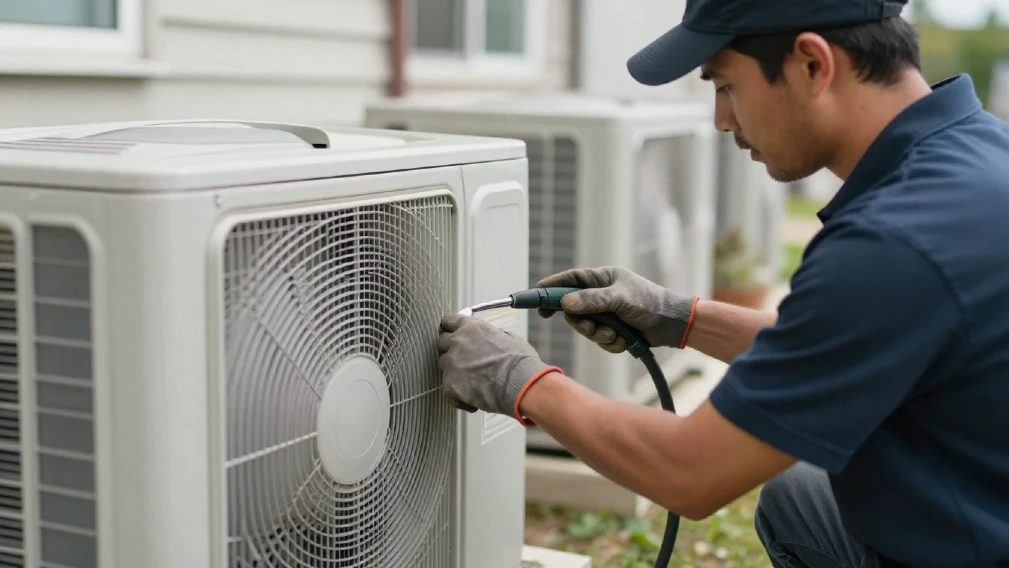
A successful HVAC technician needs a mix of industry knowledge, technical skills, mechanical aptitude, and good customer service skills. Let’s go into more detail below.
1. Technical and Mechanical Skills
- Reading and interpreting wiring diagrams and manuals
- Using diagnostic tools to gauge system performance
- Working safely with electrical systems and components
- Handling refrigerants in line with Environmental Protection Agency guidelines
- Understanding how heat pumps, radiant heating systems, and hvacr systems function
2. Physical and Practical Skills
- Moving and installing HVAC equipment
- Working in tight spaces like attics and crawl spaces
- Lifting moderately heavy parts
- Remaining steady during long jobs or busy cooling seasons
3. Customer Service Skills
- Communicating clearly about what’s wrong and what needs to be done
- Listening to concerns and answering questions
- Protecting the customer’s home while working
- Following up so customer satisfaction stays high
Without good customer service skills, even the most technically gifted tech can fall short. People want to understand what’s happening in their homes, and they appreciate straightforward explanations more than jargon.
The HVAC Industry: A Quick Overview
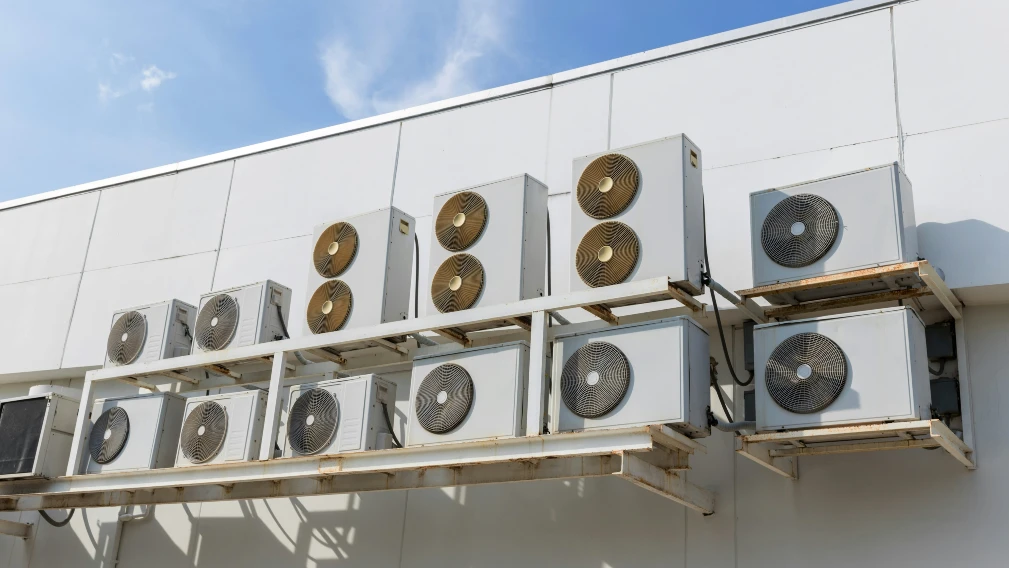
The HVAC industry is bigger and more varied than most people think. It’s made up of professionals who install, maintain, and repair systems that manage heating air conditioning, ventilation systems, and refrigeration systems in buildings of all sizes.
This industry includes:
- Residential service and repair
- New home and remodel installations
- HVAC work in large commercial buildings
- Commercial refrigeration systems for businesses
- Energy‑efficiency upgrades
- Smart control systems and automation
One reason this field stands out is job stability. Labor statistics show demand for heating, ventilation air conditioning and refrigeration mechanics and installers is strong, especially in regions with extreme heat or cold. In Oklahoma, the need for dependable cooling systems in summer and heating in winter keeps skilled technicians busy year‑round.
The industry doesn’t stand still. As technologies improve and buildings aim for better energy efficiency, skilled HVAC technicians have to keep learning. That makes this field interesting and dynamic, allowing these professionals to constantly adapt to new equipment and smarter systems.
Tools and Technology Used by HVAC Technicians

Part of what makes this work satisfying is the variety of tools and tech HVAC professionals use. A good HVAC tech has a toolbox that reflects the wide range of tasks we handle, including (but not limited to) the following:
1. Diagnostic and Testing Tools
To understand what’s going on inside HVAC systems, technicians rely on tools like multimeters for checking electrical circuits, thermometers and pressure gauges for temperature and pressure, and refrigerant pressure gauges to check cooling systems. These tools help them see why a unit isn’t cooling right or why a furnace isn’t firing consistently.
2. Hand and Power Tools
Installing or repairing a unit means using tools like wrenches, pliers, specialty screwdrivers, pipe cutters, tube benders, drills, saws for precise fitting, and more. Plenty of potential occupational safety hazards come with this job, so HVAC technicians train to properly use these tools.
3. Refrigerant Handling Equipment
If you’re dealing with air conditioning and refrigeration, you need gear to handle refrigerants. That can include refrigerant recovery machines, scales for charging refrigerant, and proper PPE to protect technicians. Handling refrigerants properly is actually regulated by federal rules, and trained techs must follow procedures set by the Environmental Protection Agency.
4. Safety and PPE
Safety gear is a must. HVAC technicians wear safety glasses, gloves, and sturdy boots. When near power, hot surfaces, or chemical refrigerants, this gear offers protection.
How to Become an HVAC Technician

If you’re thinking, “I want to become an hvac technician,” here’s a realistic look at what that journey usually looks like.
1. High School Diploma and Basic Requirements
Most HVAC careers start with a high school diploma or GED. You’ll want solid basics in math, physics, and mechanical reasoning. Working with electrical systems and electrical components means you need to be comfortable with numbers and problem‑solving. If your high school offered shop class or basic wiring, that’s a bonus. But what matters most early on is a willingness to learn and get hands‑on.
2. HVAC Apprenticeship or Trade School
After high school, many aspiring techs choose between:
- A technical college with a dedicated HVAC program
- An hvac apprenticeship where you work with experienced techs
Trade school gives structured classroom training. You learn theory, safety, and hands‑on basics all at once. These programs vary in length but typically take months to a couple of years, depending on depth.
An HVAC apprenticeship pairs you with seasoned pros in real work environments. You get paid while you learn. Apprenticeships tend to last longer but prepare you very thoroughly for actual service work. Both routes have value, and many techs use a mix of school and on‑the‑job training to build confidence and skill.
3. Certification and Licensing
Once you’ve spent some time training, you’ll need certifications before handling things like refrigerants. Most nations require an Environmental Protection Agency Section 608 certification for any industrial setting involving refrigerant. Most states require HVAC technicians to be licensed, often involving a state-specific exam and proof of 2–6 years of experience.
Beyond that, states sometimes have licensing requirements for HVAC techs or contractors. Many techs also seek voluntary certifications from organizations like North American Technician Excellence (NATE). These credentials show customers and employers that you know what you’re doing.
HVAC Apprenticeship vs. Technical School: What’s the Difference?
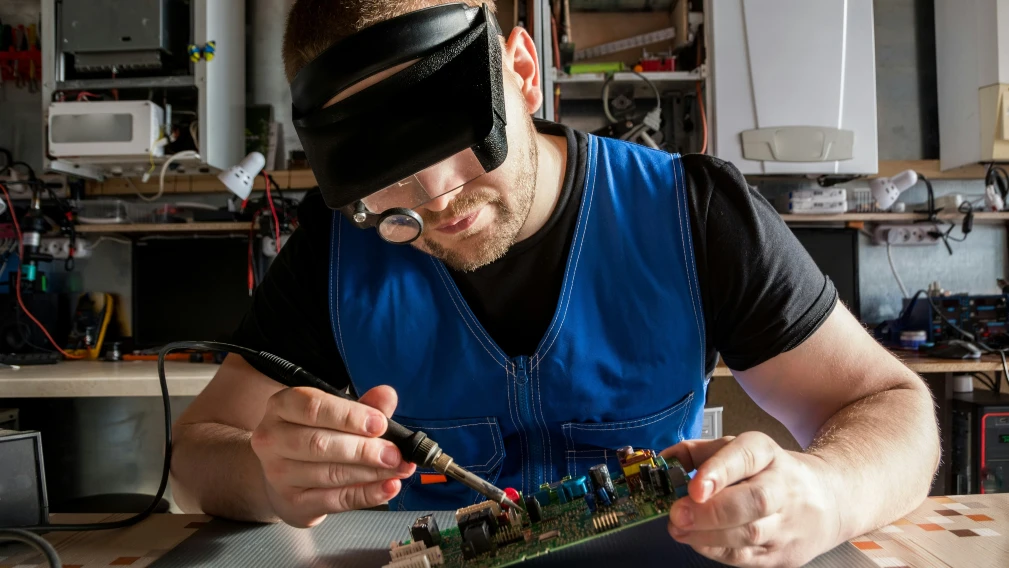
Choosing between an HVAC apprenticeship and a technical college often comes down to how you like to learn. If you’re someone who learns best in real jobs, watching and doing day-to-day work, an apprenticeship fits better. If you like structured classes with labs and instructors guiding you step by step, technical school might be your best bet.
In an apprenticeship, you’re often building real systems, fixing real problems from day one, and making industry connections that lead to long-term jobs. Meanwhile, in technical school, you’re drilling the fundamentals, safety practices, and theory. This way, when you get to the field, you already understand why things work the way they do. Ultimately, both paths give you the essential skills to thrive, and many techs blend training from both options.
HVAC Career Growth and Opportunities
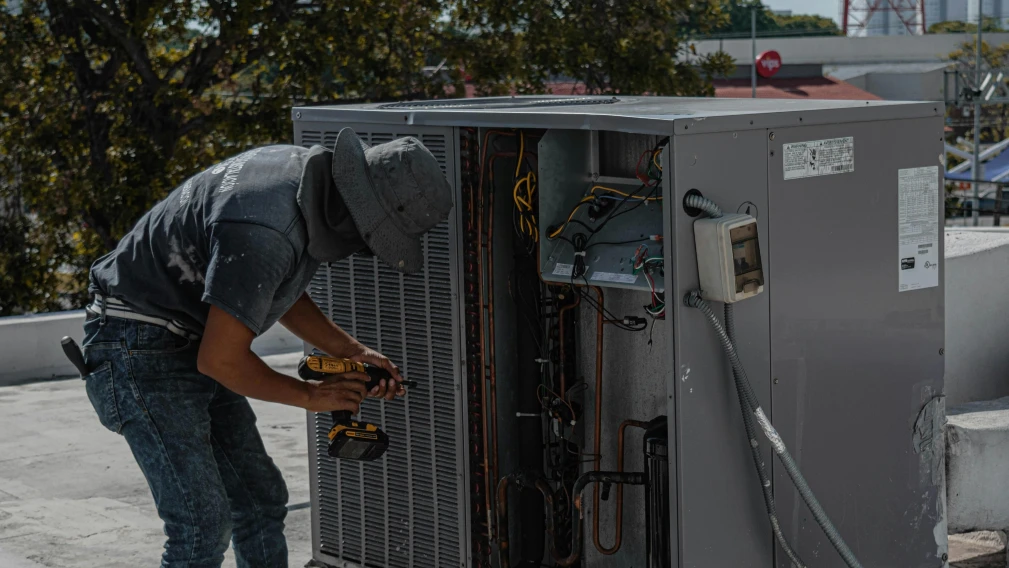
Once you’ve got the basics down and some experience under your tool belt, the HVAC career opens up a lot of doors. In fact, the job outlook for HVAC technicians continues to be positive as homes and businesses rely on year-round climate control. You might start with residential service, helping families with heating systems or air conditioners. Some techs move into commercial refrigeration, working on walk‑in coolers, freezers, and complex systems in supermarkets or restaurants.
Other opportunities include:
- Commercial HVAC service in office buildings
- System design and installation work on new construction
- Energy‑efficiency consulting
- Supervising other techs
Because HVAC systems evolve, with smarter control systems and higher efficiency standards, experienced techs stay in demand. That means better job security and options if you want to specialize or move into leadership.
Quick Facts About HVAC Technicians
When your home stays comfortable without you having to think about it, there’s usually an HVAC technician to thank. These are the people who troubleshoot surprise breakdowns, keep systems running efficiently, and make sure your heating and cooling work when you need them most. Here are a few quick facts that give you a better feel for what HVAC technicians really do.
- Many HVAC professionals enter the field through apprenticeships lasting 3 to 5 years, receiving paid on-the-job training under licensed professionals.
- Most technicians complete a postsecondary HVAC program at a trade school or community college, taking 6 to 24 months to earn a certification or associate degree.
- HVAC training programs provide comprehensive training in HVAC techniques, electrical components, refrigeration, and troubleshooting various heating and cooling systems.
- Many employers prefer HVAC job candidates who come prepared with specialized training from a technical college or apprenticeship.
- The HVAC industry is expected to grow significantly, leading to numerous job openings each year.
- Routine maintenance tasks for HVAC technicians include cleaning filters, checking refrigerant levels, and testing systems to prevent future failures.
- As part of their day-to-day work, HVAC technicians document each job by updating service reports, maintenance logs, and equipment inventory records.
Frequently Asked Questions (FAQs) About HVAC Technician Jobs
1. What do conditioning and refrigeration mechanics do?
Conditioning and refrigeration mechanics work on climate control systems that handle heating, cooling, and refrigeration. Their jobs often include installing equipment, troubleshooting system issues, and performing repairs during peak heating or cooling seasons.
2. What does heating, air conditioning, and refrigeration work include?
Heating, air conditioning, and refrigeration work covers installing, maintaining, and fixing systems that regulate indoor comfort. This can involve air conditioners, furnaces, heat pumps, and refrigeration equipment used in homes and businesses.
3. Why do homes and businesses require HVAC technicians?
Homes and businesses require HVAC technicians because climate control systems are complex and must operate safely and reliably. Trained technicians know how to diagnose problems, maintain system performance, and respond quickly when issues happen.
4. Do HVAC technicians work with electrical systems?
Yes. HVAC technicians regularly work with electrical systems. They may check wiring, test components, and, in some cases, repair electrical power issues that prevent equipment from running correctly.
5. Is HVAC technician work busy during peak heating seasons?
It can be. During peak heating months, technicians often see higher demand for repairs and maintenance. Cold weather puts extra stress on systems, which means more service calls when equipment struggles to keep up.
See HVAC Technician Expertise in Action With Heritage Services
Good service starts with skilled hands. HVAC technicians play a direct role in keeping systems running safely and efficiently. So whether it’s repairing heating, maintaining heating, or choosing new HVAC systems, Heritage Services delivers clear, honest support. For homeowners needing HVAC system replacement in Oklahoma City, OK, our experienced heater and air conditioning contractors are just a call away.
Get in touch today by visiting our website or giving us a call at 405-348-5555.