Every house has a soundtrack you stop noticing, right up until the night the furnace or air conditioner adds a new instrument. With HVAC noise, what different sounds mean depends mostly on the type of sound: rattling usually points to loose parts, squealing to a worn belt or motor bearing, buzzing to electrical components, hissing to air or refrigerant escaping, and a boom at furnace startup to delayed ignition.
Every house has a soundtrack you stop noticing, right up until the night the furnace or air conditioner adds a new instrument. With HVAC noise, what different sounds mean depends mostly on the type of sound: rattling usually points to loose parts, squealing to a worn belt or motor bearing, buzzing to electrical components, hissing to air or refrigerant escaping, and a boom at furnace startup to delayed ignition. At Heritage Services, we’ve been tracking down strange noises in Edmond and Oklahoma City homes since 1967, and most of them turn out to be fixable when they’re caught early.
This guide covers the common HVAC noises we hear about, what each one usually means, which ones you can check yourself, and which ones mean the system should be shut off. Think of it as a field guide to what HVAC noise sounds mean, written by the people who get the phone calls.
Normal HVAC Sounds vs. Sounds That Mean Trouble
A healthy HVAC system isn’t silent. You’ll hear a click when the thermostat calls for heating or cooling, a low hum from the outdoor unit, and a steady rush of air at the vents. Those are the sounds of key components doing their jobs, and a system in good shape should operate quietly enough that you forget it’s running.
The sounds worth your attention are the ones that change. A new sound that wasn’t there last week, a familiar one that’s noticeably louder, or anything sharp, metallic or rhythmic deserves a closer listen. Unusual sounds are often the first sign of HVAC problems, well before the house gets uncomfortable or the energy bills climb.
Common HVAC Noises and What They Mean
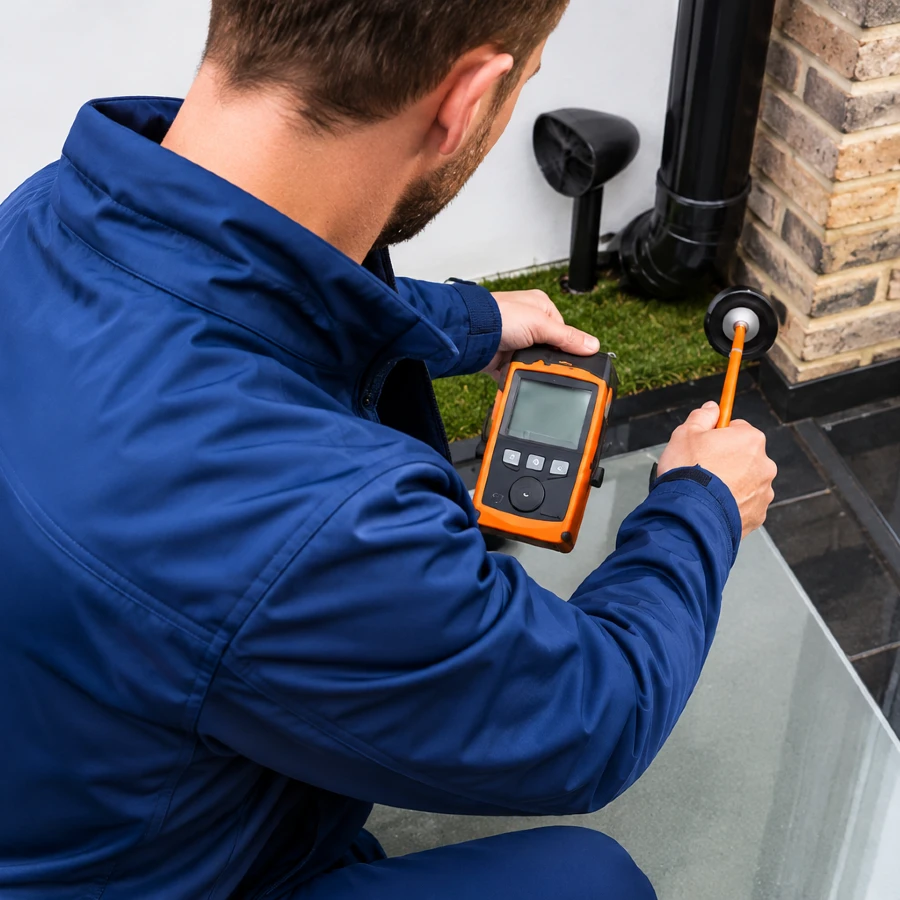
Different noises come from different parts, which is why describing the sound well is half of a proper diagnosis. Below are the common HVAC sounds homeowners report to us, grouped by what they sound like. Note where you hear each one and when it happens, because that narrows the list of causes quickly.
Rattling Noises and Vibrations
Rattling noises are the most common complaint and usually the least serious. Loose screws, loose panels and other loose hardware on the cabinet will chatter whenever the blower or compressor runs. In the outdoor condenser, sticks, acorns and gravel can get past the grille and tick against a fan blade.
Rattling that gets worse over time is a different story. Loose components inside the unit, such as a fan motor on worn mounting hardware, can shake other components until something breaks. If tightening an access panel doesn’t quiet things down, have us take a look before a small rattle turns into a bigger repair.
Squealing and Screeching
A high-pitched squeal from the indoor unit usually comes from the blower. Older furnaces and air handlers use a belt between the motor and the blower wheel, and a worn belt will squeal at startup the same way a car’s does. In direct-drive systems, the more likely cause is a dry or failing motor bearing.
Neither one fixes itself. A belt that’s squealing today can snap, and a motor bearing that runs dry will eventually seize and take the fan motor with it. A long, loud screech from the outdoor unit is more urgent, because it can point to high pressure in the compressor, so turn the system off at the thermostat and call us.
Grinding Noise
A grinding noise means metal is rubbing on metal. Most often, the bearings in a motor have worn out, or a blower wheel has come loose on its shaft and is scraping the housing. Either way, running the equipment makes the damage worse.
Shut the system off when you hear grinding and leave it off until it’s been inspected. This is the sound that most often comes right before a mechanical failure, and catching it early can be the difference between replacing a motor and replacing much more.
Buzzing Noise and Humming
A soft hum is normal. A persistent buzzing noise is not, and it almost always traces back to electrical issues: a failing capacitor, a worn contactor in the outdoor unit, loose wiring, or a motor that’s trying to start and can’t. You might also notice the fan not spinning while the unit hums.
Treat an electrical problem with respect. Turn the system off at the thermostat, and switch off its breaker only if you can reach the panel safely and nothing there looks or smells burnt. Don’t open the unit’s electrical compartment, because capacitors can hold a charge even after the power is off.
Clicking That Doesn’t Stop
One click at the start of a cycle and one at the end are normal, but repeated clicking is a control or ignition issue. On a furnace, it can mean the igniter is trying to light the burners and failing. On an air conditioner or heat pump, it often points to a relay or thermostat problem.
Hissing Sound and Whistling Sound
A whistling sound at a vent or return grille is usually about airflow. A dirty air filter, closed registers or undersized returns force the blower to pull air through too small an opening, and the result is a whistle. Clogged filters are the first thing to check, and our guide to how often to change your air filter explains the right schedule for your home.
A hissing sound has two common causes. Air escaping through duct leaks makes a soft, steady hiss near the ductwork, and it hurts the system’s efficiency because conditioned air ends up in the attic. A hiss or bubbling at the refrigerant lines or coil can signal a refrigerant leak, which lowers your AC’s performance and needs a licensed technician to find and repair.
Banging, Popping and Booming
Popping noises from the ductwork shortly after the system starts or stops are usually harmless. Sheet metal expands and contracts as it heats and cools, and the duct system announces it. Loud banging from the outdoor unit is more serious, since it can mean a broken or loose part inside the compressor.
A boom when a gas furnace lights is the one to take most seriously. It usually means delayed ignition: gas builds in the burner area for a few seconds before it finally lights. Turn the furnace off, don’t keep restarting it, and call us, because repeated small explosions can damage the heat exchanger.
Gurgling and Dripping
A little dripping during cooling season is normal, since your air conditioning pulls moisture out of the air and sends it down the condensate drain line. Gurgling or water sounds where you’ve never heard them can mean that drain is partly clogged. Persistent gurgling in the refrigerant lines can also point to a refrigerant issue, so mention it when you call.
Where the Noise Comes From: Indoor Unit, Outdoor Unit or Ducts
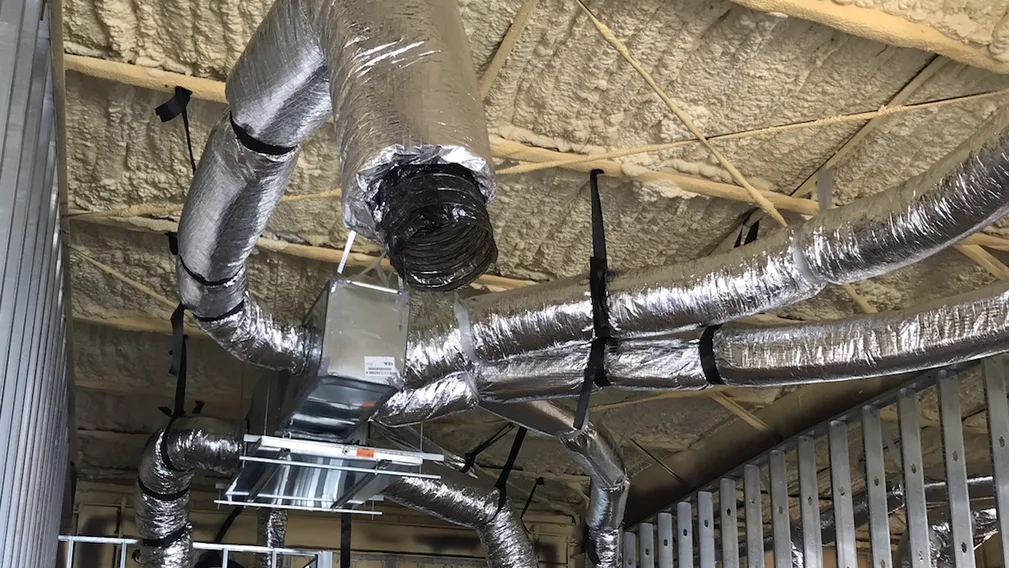
Location is the other half of the puzzle. Before you call, walk through the house and note whether the sound is loudest at the indoor unit, outside at the condenser, or along the ducts and vents. That one detail helps our technicians arrive with a short list of suspects.
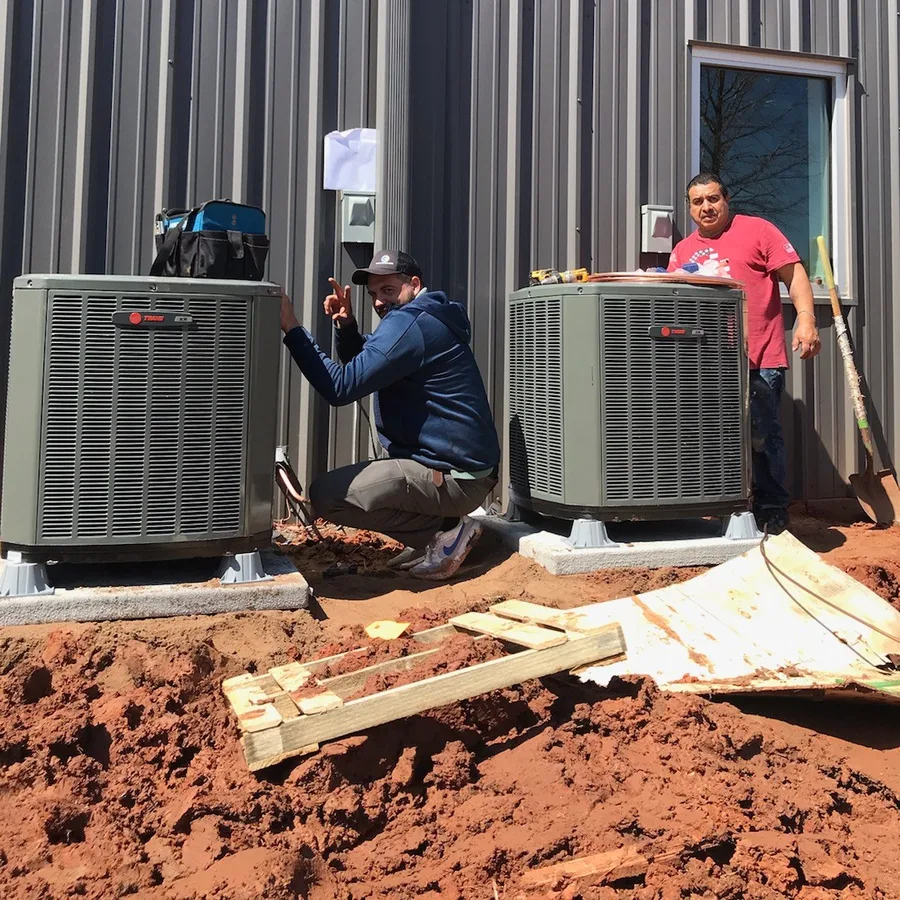
Outdoor noises usually involve the compressor, the condenser fan or the electrical parts that start them. Bent fins or debris packed against the condenser coil can also make the fan sound unusually loud. Indoor noises tend to come from the blower, the furnace burners or the drain.
Heat pump owners get a few extra sounds that are perfectly normal. A heat pump will whoosh and briefly steam outside when it switches into defrost on a cold morning, and the reversing valve makes a soft swooshing sound when it changes modes. Those are worth knowing about before an Oklahoma cold snap makes you wonder what the unit is up to.
Sounds That Mean Turn the System Off Now
Most strange sounds can wait for a scheduled visit. A few can’t, and they deserve a calm, specific response. Turn the system off at the thermostat and call us right away if you notice any of these:
- A loud boom or bang each time the furnace lights
- Grinding, screeching or metal-on-metal sounds from either unit
- Loud buzzing along with a burning smell, scorch marks or a breaker that keeps tripping
- Hissing near the refrigerant lines along with ice on the coil or warm air from the vents
Two situations go beyond your heating and cooling equipment. If you smell gas or hear gas hissing near the furnace or gas line, leave the house immediately. Don’t flip light switches, use a phone or start a car in the garage on the way out, and call your gas utility’s emergency line or 911 once you’re well away from the building.
Carbon monoxide has no smell and no sound, so the only warning you’ll hear is the alarm. The U.S. Consumer Product Safety Commission’s guidance is to get outside to fresh air immediately and then call 911 if you suspect CO poisoning. Don’t go back inside until responders say it’s safe, and read our article on why carbon monoxide monitoring matters for where alarms belong in your home.
Safe Checks You Can Make Before Calling Us
Some noises have simple causes, and a few minutes of checking can save you a service call. Stick to the outside of the equipment and leave anything involving wiring, gas or refrigerant to us. Here’s what’s reasonable for a homeowner:
- Check the air filter and replace it if it’s gray or clogged.
- Make sure supply and return vents are open and not blocked by rugs or furniture.
- With the system off, clear leaves, sticks and grass clippings from around the outdoor unit.
- Look for loose screws on the outer access panels and snug them up by hand.
- Write down what the noise sounds like, where it is and when it happens.
If the noise is gone after that, good. If it’s still there, or if it comes back within a few days, that’s useful information for us. Airflow problems that return after a filter change, for example, often lead us to the ductwork or the blower instead.
How HVAC Maintenance Keeps Noises From Coming Back
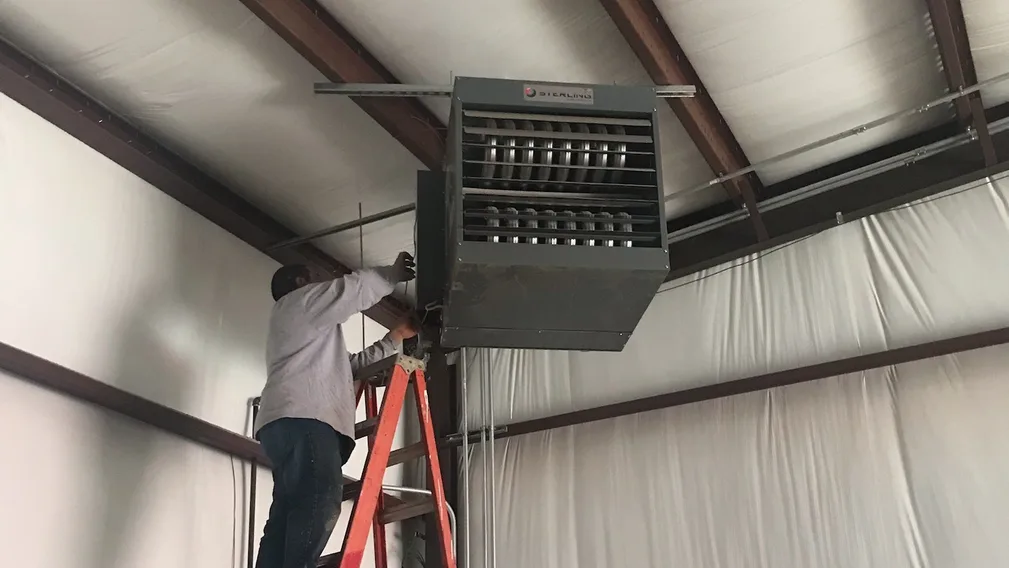
Most of the sounds in this guide start small. A connection loosens, a bearing dries out or a drain begins to clog, and months later it’s loud enough to notice. Regular HVAC maintenance is designed to catch exactly those things, and ENERGY STAR’s maintenance checklist for a typical tune-up includes tightening electrical connections, lubricating moving parts, and inspecting the condensate drain.
That list reads a lot like the causes of new noises, which isn’t a coincidence. Our technicians handle HVAC service for all brands of heating and cooling equipment, and our M Service members get two tune-ups a year. For the heating side, our furnace maintenance checklist shows what a tune-up covers and what you can do yourself between visits.
Quiet equipment isn’t the only benefit. Worn parts hurt system performance and can lead to costly repairs when one failure damages other components. A noise that gets repaired promptly is almost always a smaller job than the same noise six months later.
Frequently Asked Questions About HVAC Noises
These are the questions we hear most when a system starts making noises. The short answers are below. If yours sounds like something else entirely, describe it to us, and we’ll help you sort it out.
What Does a Failing HVAC System Sound Like?
Failing equipment usually gets louder and rougher over time. Grinding, screeching, loud banging from the compressor, and a persistent buzzing at startup are the sounds we most often find on a unit that’s close to breaking down. Frequent clicking with no heating or cooling is another one, and all of them are worth a call before the system quits on a 100-degree afternoon.
Should You Be Able to Hear Your HVAC?
Yes, a little. You should hear air moving at the vents, a hum outside, and a click when the system starts and stops. You shouldn’t have to raise your voice over it, and you shouldn’t hear anything sharp, metallic, or irregular.
What Does It Mean If My HVAC Is Making Noise?
It depends on the sound. Rattling suggests loose parts or debris, squealing suggests a belt or bearing, buzzing suggests an electrical fault, and hissing or whistling suggests an air or refrigerant leak. New noises almost always mean something has changed inside the system, so it’s worth finding out what.
How Do I Know If My AC Is Going to Blast?
A residential AC unit is very unlikely to explode, but it does give warnings before a serious failure. Watch for loud buzzing, a burning smell, a breaker that trips repeatedly, a screeching compressor or hissing at the refrigerant lines. If you notice any of those, turn the cooling equipment off at the thermostat and call us instead of resetting the breaker and hoping.
Have Heritage Services Track Down That Noise
You know your home’s soundtrack better than anyone, so trust yourself when something sounds off. A quick description of the noise, where it’s coming from, and when it started is usually enough for us to know what to bring. We’ll find the real cause, explain your options in plain terms, and tell you honestly if a repair makes more sense than a replacement.
Heritage Services has taken care of heating, cooling, and plumbing for homes and businesses across Edmond and the Oklahoma City metro since 1967. Contact our team to schedule a visit, and we’ll get your system back to the kind of background music you can ignore.