Do you have “learn how to snake a drain” on your to-do list? Don’t worry, Heritage Services is here to make it simple! We’ll talk about how to snake a drain in different parts of your house, step by step. And if you’re in Edmond or around Oklahoma City, our team is right here in your neighborhood if you need a professional hand with anything plumbing-related.
How Do You Use a Drain Snake?
A drain snake, also called a plumbing snake or drain auger, is a long, flexible cable with a handle on one end and a metal coiled wire or cutting tip on the other. You usually push it into the clogged drain and twist it until the clog either breaks apart or wraps itself around the end, so you can slowly pull it out of the drain or sewer line.
It’s basically a homeowner-friendly tool or equipment that’s much better than pouring harsh chemicals into your pipes. It’s great at removing clogs like hair, food gunk, foreign objects, grease buildup, and other random debris.
Different Types of Drain Snakes
1. Hand-Crank Drain Snake
This is your standard option. It has a coiled metal cable and a rotating handle. You feed it in, crank it down the line, and break up or pull out the clog. This works great for sinks, tubs, and floor drains.
2. Toilet Auger
A toilet auger looks a bit like a hand snake, but it’s specifically built for toilet blockages. It’s shorter, has a special plastic cover to protect the toilet bowl, and it’s stiffer so it can navigate the twisting shape of your toilet’s trap.
3. Power Auger
This one is used for tougher drainage clogs or longer pipes. You’ll mostly see professional plumbers use this, and it isn’t very beginner-friendly.
4. Flat Snake or Zip-It Tool
The flat snake or zip-it tool is a long, flat plastic strip with tiny hooks. It’s cheap, easy to use, and works well for shallow clogs, like hair stuck near the drain opening. This makes it great for showers and bathroom sinks.
How to Use a Drain Auger to Snake a Toilet
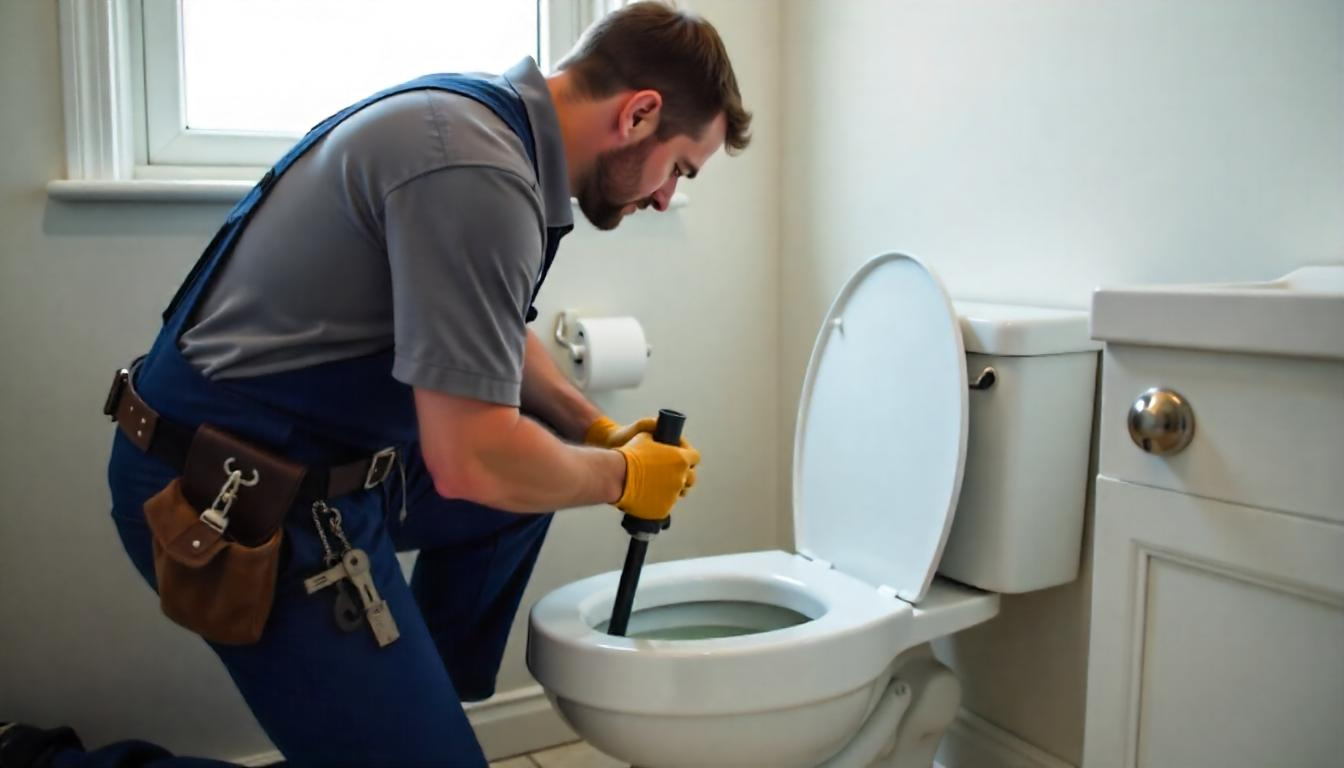
You’ll want to use a toilet auger for this because it’s designed to bend through the tight S-shaped trap inside your toilet without scratching up the porcelain bowl. Also, don’t forget to wear rubber gloves and safety goggles (this also applies to every other type of snaking a drain).
What usually clogs toilets
- Too much toilet paper
- Wipes
- Kids’ toys
- Paper towels
How to unclog it
- Shut off the water to the toilet using the valve behind it.
- Stick the rubber-coated end of the auger into the bowl and angle it toward the drain opening.
- Slowly start turning the handle clockwise while pushing forward. You’ll feel resistance when it reaches the clog.
- Keep cranking and carefully push.
- If it suddenly gives way, that means you’ve just cleared the clog. Pull the auger back out carefully. Be ready with a trash bag or bucket if you need to dispose of any debris that has clung to the auger.
- Turn the water back on and flush. Watch the flow of water and how fast it drains. If it swirls and flushes like normal, then you’ve successfully unclogged your toilet!
How to Use a Drain Snake on a Bathtub or Shower Drain
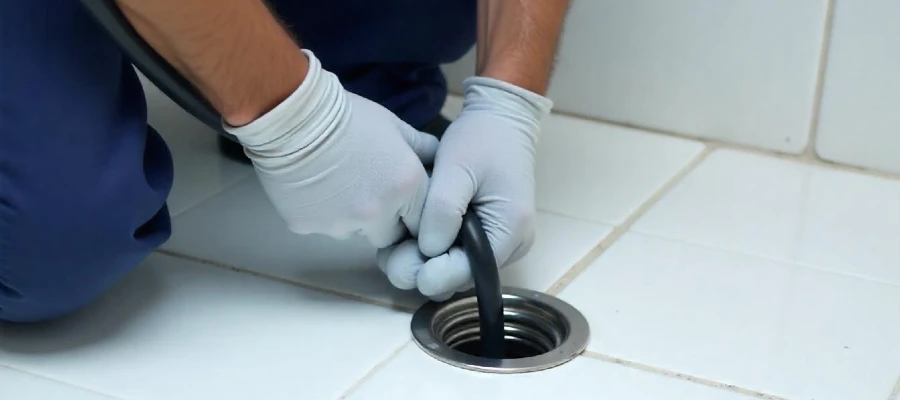
In the bath or shower, there are also times when the drain gets clogged, no matter how clean you keep your space. Luckily, this is something most homeowners can handle themselves.
What usually clogs bathtub or shower drains
- Hair
- Soap scum
- Body oil buildup
How to unclog it
- Remove the drain cover. You might need a screwdriver or a little pry bar for this.
- Start with a plastic zip-it tool. Push it down the drain, wiggle it around until you encounter resistance, and then pull it back up. The clog will likely come up with it.
- If it’s still draining slowly, it’s time for the hand snake cable. Feed it in and crank until you feel something soft stop the cable.
- Keep spinning gently until you either punch through the clog or wrap it around the end.
- Pull it out slowly. Run water (preferably hot) down the drain and see if it flows better.
- Repeat once or twice if needed, then sanitize your snake and wash your hands.
How to Use a Plumbing Snake to Clear a Drain Clog in a Bathroom Sink Drain
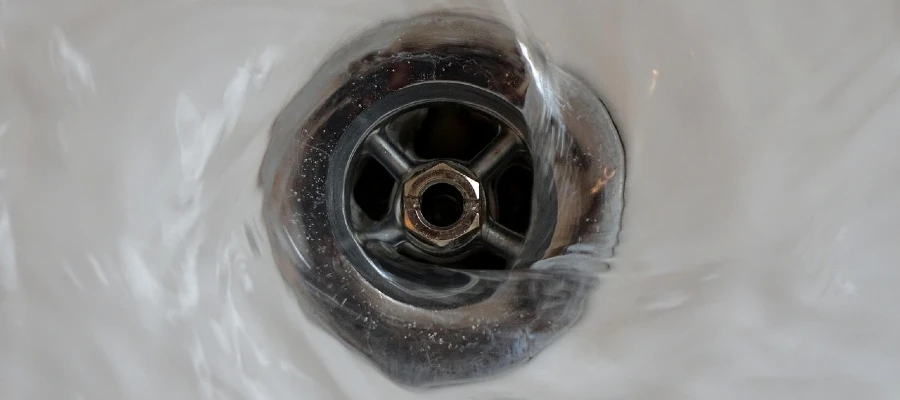
When bathroom sinks get a clogged drain, the culprit is usually right near the top. While relatively easier and simpler, it can still be a bit tricky.
What usually clogs bathroom sink drains
- Hair
- Gunk from facial products
- Beard trimmings
How to unclog it
- Remove the stopper. Sometimes you can pull it right out, but if it’s stuck, you may have to loosen the pivot nut under the sink.
- Shine a flashlight down the drain. If you find anything obvious, like gunk or a hairball, pull it out with tweezers.
- Feed the snake down the drain opening or the pipe under the sink. Push gently and crank as you go.
- When you hit a clog, keep turning. Push through or try to latch onto the blockage.
- Pull it out slowly, cleaning as you go. If you used a lot of force, expect some splashback.
- Run hot water. If it drains properly, you’re done. If not, try it a second time.
How to Use a Drain Snake to Unclog a Floor Drain
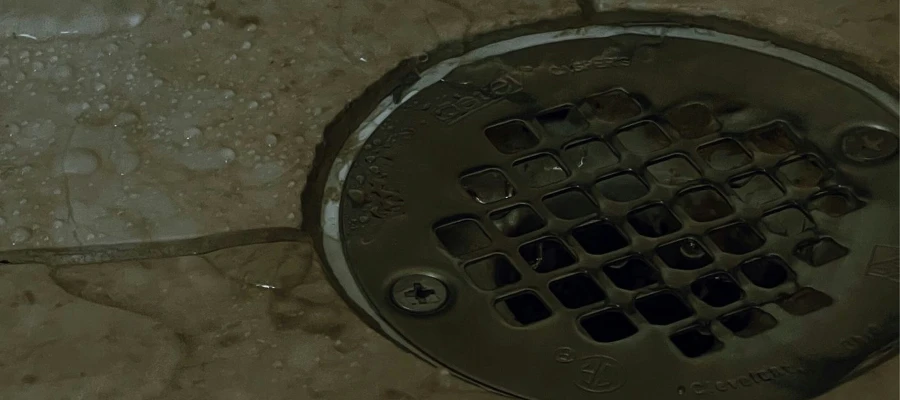
Floor drains can be a bit of a mystery because they’re out of sight and often neglected. They clog with detergent sludge, dirt, hair, and even small trash or debris.
What usually clogs floor drains
- Lint
- Mud
- Detergent residue
- Debris tracked in from outside
How to unclog it
- Pop the drain cover off. You might find standing water, so grab some towels or a wet-dry vacuum.
- Insert your hand snake into the hole and crank as you go. These clogs are usually deeper, so keep feeding and turning.
- If you feel resistance, slow down and let the coil work its way through.
- Once it breaks through, pull back slowly and rinse the line with hot water.
- Clean up any mess. Floor drains are usually in laundry rooms or utility areas and might smell a bit after snaking, so make sure everything’s neat and tidy afterward.
Maintenance Tips to Prevent Clogs
While using a drain snake might seem simple enough, you still want to prevent any clogs or obstructions in your drains in the first place. You can do this by being careful about what you pour down the drain, as well as keeping an eye on your drain to catch any issues early on.
Some maintenance tips you should try:
- Use a mesh hair catcher in your tub and shower to filter out debris.
- Don’t pour grease or coffee grounds down your sink.
- Run hot water for 15 seconds after using your garbage disposal.
- Clean stoppers and drain covers once a month.
- Pour baking soda and vinegar down the drains, let it fizz, then flush with hot water. This helps break down light buildup.
What Not to Snake
These are the don’ts when it comes to snaking a drain:
- Don’t snake lines connected to a septic tank. This is best left to the professionals.
- Never snake corroded or cracked old pipes. You could cause the cracks and issues to worsen.
- Skip chemical drain cleaners before snaking. If any’s still in the pipe, it can splash back at you and cause burns.
When Should You Call a Professional Plumber?
You tried snaking. You followed every step. And your drain still gurgles, stinks, and refuses to drain. It’s time to put down the wrench and pick up the phone to call a plumbing professional if:
- You’ve snaked it, and the clog keeps coming.
- Multiple drains are clogged at once.
- The manual snake won’t go more than a foot or two before stopping.
- You hear strange bubbling or smell sewage.
- You’re worried the clog’s deeper than your snake can access.
- You don’t have the right type of materials or machines needed for the job.
- You realized you need to replace some old, corroding pipes.
- You’re dealing with clogs due to tree roots.
In such cases, contact Heritage Services for professional plumbing services here in Oklahoma City and surrounding areas!
Don’t Want to Deal With a Clogged Drain Yourself? Let Our Pros Handle It!
If snaking your own drain sounds like something you don’t want to do yourself, our number might come in handy! Heritage Services makes the entire process quick and clean with our expert plumbing services. We’ll show up on time, get the job done, and make sure you don’t have to worry about clogged drains again for a long time.
Give us a call at 405-348-5555 or visit our website for more ways to get in touch!