There’s a special kind of Oklahoma heartbreak that comes from opening your utility bill after a hundred-degree week or a hard cold snap. Energy-efficient HVAC systems ease that pain by using less electricity or gas to deliver the same heating and cooling, thanks to higher efficiency ratings, variable-speed parts and smarter controls.
There’s a special kind of Oklahoma heartbreak that comes from opening your utility bill after a hundred-degree week or a hard cold snap. Energy-efficient HVAC systems ease that pain by using less electricity or gas to deliver the same heating and cooling, thanks to higher efficiency ratings, variable-speed parts, and smarter controls. At Heritage Services, we’ve kept Edmond and Oklahoma City homes comfortable since 1967, and the right system depends on your home, your ductwork, and how you run the equipment.
This guide covers what the ratings mean, which features are worth paying for, and how to keep any system running at peak efficiency, so your next utility bill is a little less dramatic.
What Makes Energy-Efficient HVAC Systems Different
An energy-efficient HVAC system does the same job with less energy. The difference comes from a few specific design choices, and it shows up on the yellow EnergyGuide label as a handful of ratings. Once you can read those ratings, comparing one HVAC unit to another gets a lot easier.
Heating and cooling is also the biggest single piece of most household energy consumption. ENERGY STAR notes that nearly half of a home’s energy goes to heating and cooling, so the equipment you choose has a big effect on monthly energy bills. That’s why efficiency levels deserve a close look before you sign off on a new HVAC system.
Seasonal Energy Efficiency Ratio (SEER2)
The seasonal energy efficiency ratio measures how much cooling an air conditioner or heat pump delivers across a typical cooling season for each unit of electricity it uses. Cooling output is counted in British thermal units, and a higher number means the cooling system needs less power to pull the same amount of heat out of your house. Equipment is now rated under an updated test called SEER2, and new split air conditioners in the southern regions must rate at least 14.3 SEER2 in most residential sizes. High-efficiency units go well beyond that minimum.
Energy Efficiency Ratio (EER2)
The energy efficiency ratio looks at cooling performance at one fixed, hot outdoor temperature instead of a whole season. That makes it a useful number in Oklahoma, where a July afternoon is the real test of an air conditioning system. A unit with a strong seasonal rating and a weak energy efficiency ratio may look good on paper and still work hard on the hottest days.
Heating Seasonal Performance Factor (HSPF2)
The heating seasonal performance factor does for heat pump heating what SEER2 does for cooling. It compares the heat delivered over a heating season to the electricity used, and new split heat pumps must rate at least 7.5 HSPF2. Gas furnaces use a different rating, annual fuel utilization efficiency or AFUE, which tells you what share of the fuel becomes heat for your home.
Features That Help Energy-Efficient HVAC Equipment Use Less Energy
Ratings tell you how a system scored in testing. The features below are the reasons one piece of equipment scores higher than another, and they also change how the house feels from room to room. A few of them matter more than the rest.
Variable-Speed Motors and Compressors
Older systems run at one speed, full blast, then shut off. Variable-speed motors and compressors adjust their speed based on how much heating or cooling the house needs at that moment, so they run longer at a lower output and use less electricity doing it. Those longer, gentler cycles also hold more consistent temperatures and pull more humidity out of the air in summer.
Heat Pump Technology
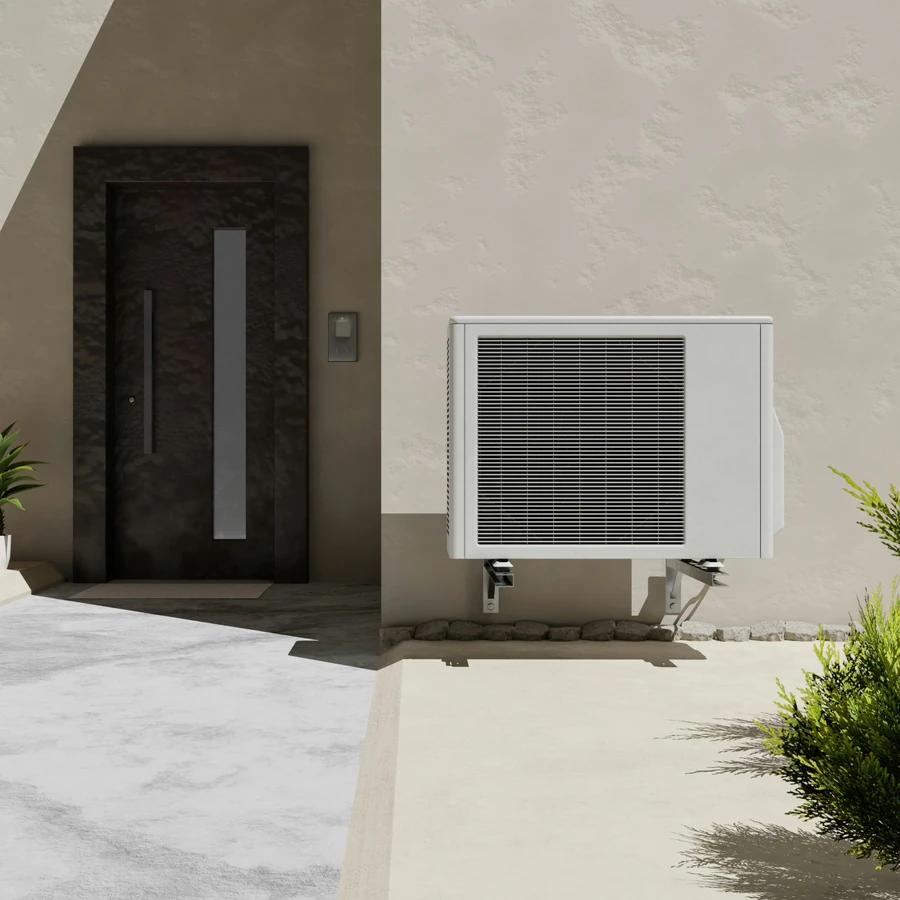
A heat pump doesn’t burn fuel to make heat. It uses refrigerant to transfer heat from one place to another, moving it out of the house in summer and into the house in winter. According to the U.S. Department of Energy, heat pumps can reduce electricity use for heating by approximately 50% compared to electric furnaces. We’ve compared the two approaches in more detail in our guide to heat pumps and furnaces for Oklahoma homeowners.
Smart Thermostats and Smart Controls
A smart thermostat learns your schedule, adjusts temperature settings when the house is empty, and lets you make changes from a mobile device. Programmable thermostats do a simpler version of the same thing on a fixed schedule. The Department of Energy says you can save as much as 10% a year on heating and cooling by setting the thermostat back 7 to 10 degrees for 8 hours a day, though your own results depend on your home and your habits. Heat pump owners should use a thermostat designed for heat pumps, because large setbacks can trigger less efficient backup heat.
Better Filtration and Air Quality
Efficient equipment and indoor air quality tend to travel together. Longer run times at low speed move more air across the filter, and many energy-efficient models accept thicker, higher-rated air filters than old heating and cooling equipment could handle. The result is often improved indoor air quality along with lower operating costs, although filtration alone won’t fix every air quality problem in a home.
Benefits of Energy-Efficient HVAC Systems Beyond Energy Bills
Lower energy costs get the attention, and they’re a good reason to upgrade. They aren’t the only one, though, and some of the other benefits are the ones homeowners notice first. Here’s what an energy-efficient unit usually changes:
- Lower energy usage: The system needs less electricity or gas for the same indoor temperatures, which is where the cost savings come from.
- More even comfort: Variable-speed equipment reduces the swings between too warm and too cold, and it helps with stubborn upstairs rooms.
- Better air quality: More air passes through the filter, and humidity control improves in summer.
- Quieter operation: Running at low speed most of the time is quieter than starting at full power.
- Smaller environmental impact: Using less energy means burning fewer fossil fuels at the power plant or the furnace, which means fewer greenhouse gas emissions and a smaller carbon footprint.
We won’t promise a specific dollar figure, because energy savings depend on the system you’re replacing, your insulation, your ductwork and what utility companies charge in a given year. What we can do is show you the ratings side by side and explain what each step up in efficiency is likely to mean for your house. That’s a more honest conversation than a guaranteed number.
Choosing the Right System Size and Efficiency Level
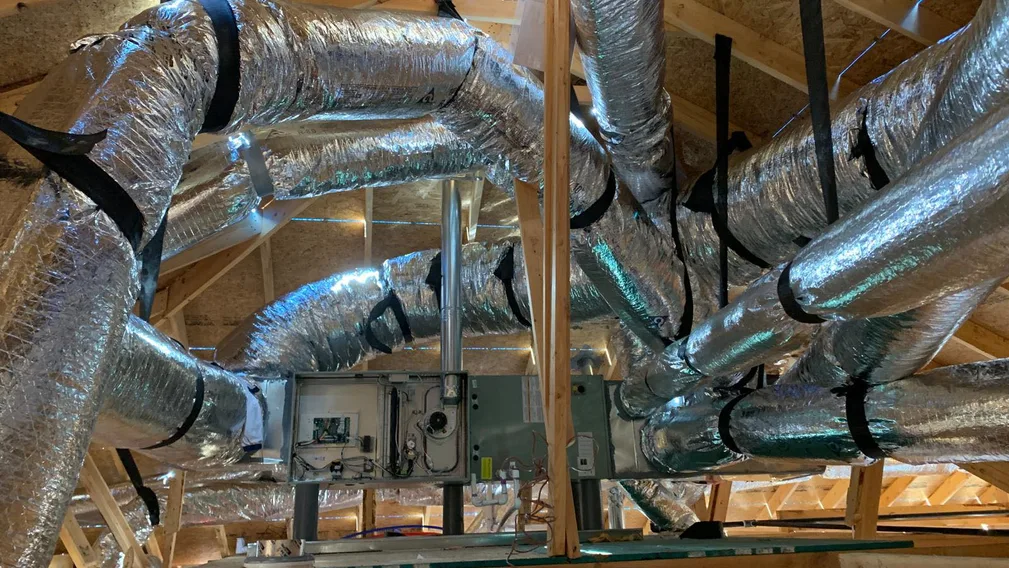
The most efficient equipment on the market can still waste energy if it’s the wrong size or installed poorly. A few key factors decide whether energy-efficient systems live up to their label, and most of them are settled before the equipment ever arrives. This is where careful planning and installation earn their keep.
System Size and Load Calculation
Bigger isn’t better. An oversized cooling system cools the house fast, shuts off, and starts again a few minutes later, which wears parts and leaves humidity behind. An undersized one runs constantly and never catches up on a 100-degree day. Proper sizing comes from a load calculation that accounts for square footage, insulation, windows, and sun exposure. We assess your home’s layout and its heating and cooling needs before recommending equipment, so you get the right system and not just the largest one that fits on the pad.
Ductwork and Installation Quality
In ducted systems, the ducts deliver the conditioned air you’re paying for. If they leak into the attic, part of that air never reaches a room. ENERGY STAR says sealing and insulating ducts can improve system efficiency by as much as 20 percent, and that improper installation can reduce efficiency by up to 30 percent. That’s why our HVAC installation process starts with understanding your current system and layout and ends with testing the new system and calibrating the thermostat.
ENERGY STAR Certification
ENERGY STAR certification means a model meets efficiency guidelines set by the U.S. Environmental Protection Agency, above the federal minimums. It’s a quick way to narrow the field when you’re comparing energy-efficient solutions from different manufacturers. It’s also worth knowing that a mid-tier certified unit installed well will usually outperform a top-tier unit installed badly.
How to Maintain Peak Performance and Keep Cooling Costs Down
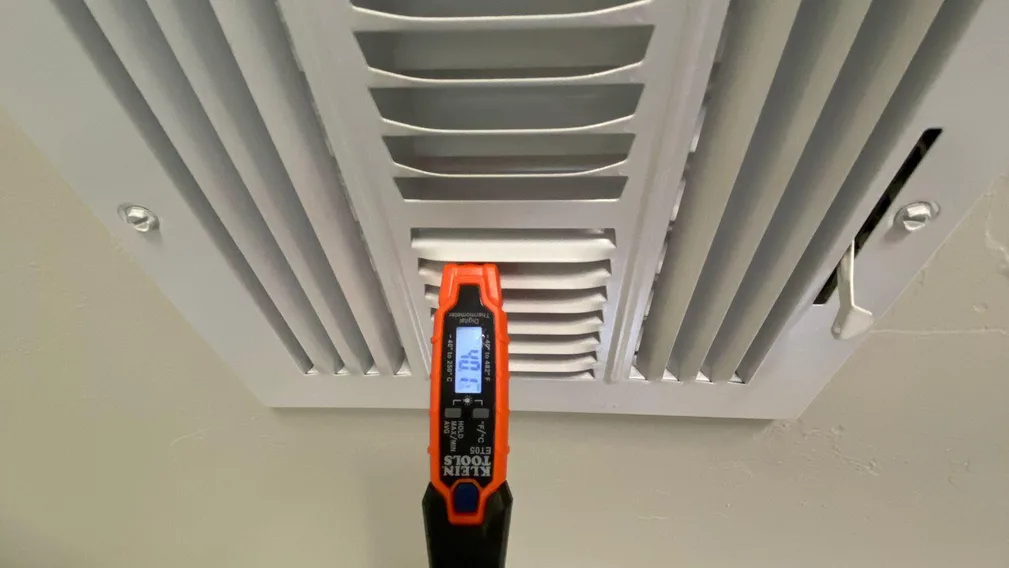
Even the best equipment drifts away from maximum efficiency if nobody looks after it. Regular maintenance is the cheapest way to save energy with the system you already own, and it helps you avoid costly repairs in the middle of August. Most of it is simple.
Start with the filter. Dirty filters restrict airflow, which makes the blower work harder and hurts system performance. ENERGY STAR recommends checking the filter every month during heavy-use seasons and changing it at least every three months, and our guide on how often to replace air filters goes into the details by filter type.
A few other habits help your home’s heating and cooling equipment stay at peak performance:
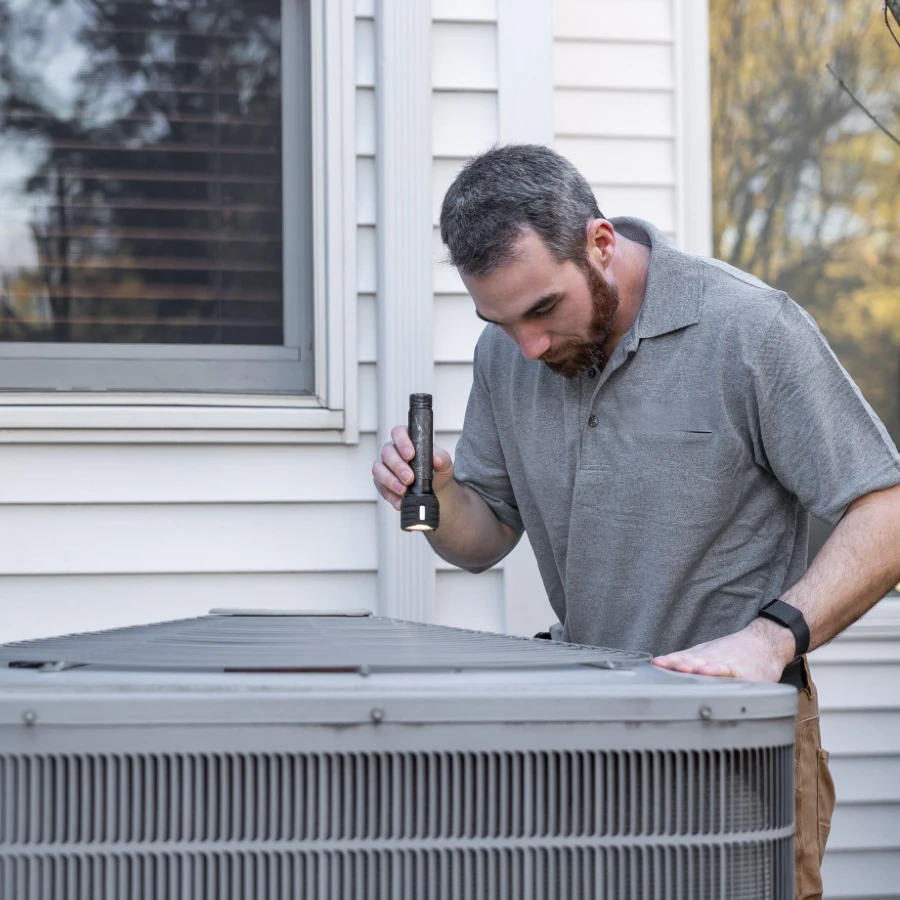
- Keep the outdoor unit clear of leaves, grass clippings and anything stacked against it.
- Leave supply and return vents open and unblocked by furniture or rugs.
- Schedule a tune-up with our team before each heating and cooling season.
- Pay attention to new noises, short cycling or a sudden jump in energy usage.
None of these take long, and together they keep a system from wasting energy quietly for months. Our M Service membership comes with discounts and member benefits, and our technicians handle routine HVAC service visits for all kinds of systems. If your equipment is more than 10 years old and needs frequent repairs, our article on whether to repair or replace an HVAC system can help you weigh the options.
Frequently Asked Questions About Energy-Efficient HVAC
These are the questions we hear most often from homeowners who are comparing equipment. The short answers are below. If your situation is different, we’re glad to talk it through.
What Is the Most Energy-Efficient HVAC System?
For most homes, a variable-speed heat pump is among the most efficient options because it moves heat instead of generating it and uses less electricity than electric resistance heat. Geothermal heat pumps are more efficient still, but they cost more to install and need suitable land. In Oklahoma, many homeowners pair a heat pump with a gas furnace so the furnace can take over during winter cold snaps.
What Is the $5,000 Rule for HVAC Systems?
It’s an industry rule of thumb, not a regulation. Multiply the age of the equipment by the repair estimate, and if the result is more than $5,000, replacement is usually worth considering. We treat it as a starting point and also look at the system’s condition, efficiency and repair history before making a recommendation.
How Much Is a New HVAC System for a 2,000 Sq Ft House?
Square footage alone doesn’t set the price. Equipment type, efficiency rating, ductwork condition, and the load calculation all change the number, so two 2,000-square-foot homes can end up with very different quotes. Our cost guide for Oklahoma homeowners explains what goes into the total, and we start every installation with a consultation so the number you get reflects your home.
What AC Brands Should You Stay Away From?
We’d worry less about the name on the cabinet and more about the installation and the support behind it. A well-regarded brand installed with the wrong refrigerant charge or leaky ducts will disappoint you, and a mid-priced one installed correctly can run well for years. Look for available parts and a clear warranty, and know that our team will still answer the phone long after the install.
Talk to Heritage Services About an Energy-Efficient Upgrade
If your energy bills keep climbing or your system huffs and puffs through every Oklahoma summer and cold snap, it’s worth finding out why before you spend money on new equipment. Sometimes the fix is a tune-up or a repair, and sometimes an energy-efficient HVAC replacement is the better long-term call. We’ll tell you which one we’d choose in your position.
Heritage Services has worked on plumbing, heating, and cooling in the Edmond and Oklahoma City area since 1967, so we’ve seen our share of heartbreaking utility bills.
Contact our team to schedule a consultation, and we’ll look at your current system before recommending anything. Let’s give your next bill a happier ending.