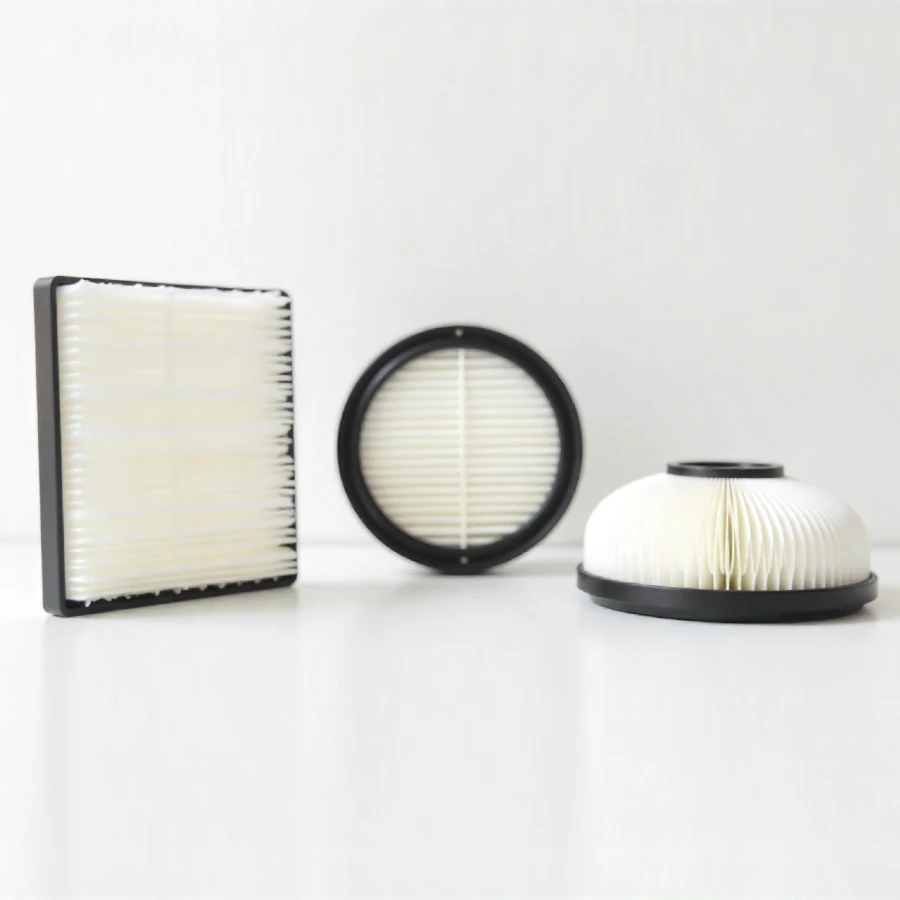
Most people know they have an air filter inside their HVAC system, but not everyone understands how air filters work or why a dirty one can cause so many problems. At Heritage Services here in Edmond, OK, we see HVAC systems struggling all the time because a filter was left in too long or the wrong filter type was installed.
Aside from keeping dust out of the machine, filters are also a frontline defense for indoor air quality, catching unwanted particles and keeping them out of your living spaces. That thin-looking sheet of filter media inside your system is responsible for creating cleaner air for you and your family, protecting you from pet dander, dust mites, mold spores, pollen, and even fine particulate matter.
Let’s go into more detail about how an air filtration system does its job, what kinds of air filters are out there, and why regular maintenance matters if you want optimal operation and good air quality.
How Air Filters Work: The Science Behind Better Air Quality

Inside your HVAC system, air is constantly circulating. As air passes through the return ducts, it’s pulled through HVAC air filters before it enters the main unit. This is the filtration process, where the filter catches airborne particles like dust, pollen, and dirt particles, plus other contaminants that would otherwise end up in your lungs or coat the inside of your HVAC equipment.
The actual catching happens in the filter media. This is the tightly woven or layered material made of fiberglass, pleated paper, foam, or synthetic fibers. As air passing through hits the fibers, larger particles get trapped right away, while smaller particles may weave deeper into the filter layers. Filters with higher MERV (Minimum Efficiency Reporting Value) ratings can trap fine particles and even most penetrating particle size contaminants that are harder to capture.
Some high-efficiency air filters and advanced air filtration systems use electrostatic filters, which give particles an electric charge so they stick to the filter surface more easily. Others, like high efficiency particulate air (HEPA filters), are capable of catching fine particulate matter as small as 0.3 microns, which is the penetrating particle size most common in allergens and airborne contaminants. In medical facilities or cleanrooms, you might even see ULPA filters, which can trap even smaller particle sizes.
Negative Effects and Health Risks of Poor Air Quality

If your air filter is clogged or you’ve got the wrong filter for your system, the drop in filtration efficiency means more airborne particles sneak back into your living spaces. Poor air quality can trigger allergy flare-ups, worsen asthma, and cause headaches or fatigue. As time passes, breathing in gaseous pollutants, mold spores, or fine particulate matter can lead to more serious respiratory issues.
Oklahoma’s high winds, seasonal pollen, and dust from industrial processes can make things worse. Without effective filtration, those solid particulates and gas molecules just keep circulating. And poor filtration doesn’t just affect your health—it strains your HVAC equipment, increasing pressure drop across the system and lowering optimal filter performance.
What Is Filter Media in an Air Filtration System?
Filter media is basically the working guts of the filter. In HVAC systems, the media can be fiberglass strands, pleated synthetic fabric, foam filters, or even fine mesh. The media’s density and weave determine which particle sizes it can trap. Essentially, a denser weave catches smaller particles but can also increase pressure drop, so the system has to work harder to pull air passing through.
Different Types of Air Filters

You’ve got options when it comes to choosing the right filter for your home. Below is a breakdown of the most common types:
| Fiberglass filters | Cheap, disposable, and fine for catching larger particles like lint and dust. Not great for allergen control or small particles. |
| Pleated filters | Made from folded fabric or paper filters to increase surface area, which boosts filtration efficiency and catches smaller particles. |
| Electrostatic filters | Use static electricity to grab airborne particles, often washable for long service life. |
| HEPA filter | Short for high efficiency particulate air filter, this traps up to 99.97% of particles at the most penetrating particle size. Great for allergen control, but not every system can handle the higher pressure drop. |
| Carbon filters | Designed to absorb odors and gaseous pollutants. Often paired with other filters in air purifiers. |
| Foam filters | Common in certain HVAC filters and cabin air filters for vehicles, these work well in humid conditions but need frequent cleaning. |
| Aluminum mesh | Durable and washable, often used as a pre-filter to catch larger particles before they hit a finer filter. |
Air Filters, Air Purifiers, and Air Cleaners: What’s the Difference?
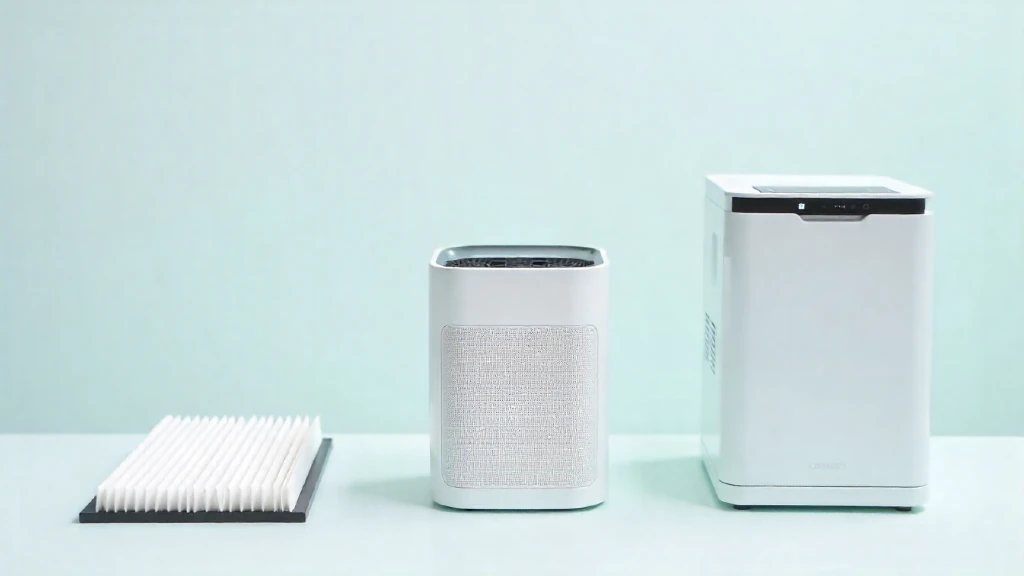
- Air filters: Installed in your HVAC system, these remove airborne contaminants as part of your home’s heating or cooling cycle.
- Air purifiers: Standalone or whole-home devices that use multiple air filtration methods (like HEPA filters, carbon filters, or UV light) to improve indoor air quality with purified air.
- Air cleaners: A general term for any device that removes air particles, particulate matter, or other contaminants from the air, including room air purifiers and built-in filtration units.
For the best results in allergen control and to improve air quality overall, many Oklahoma homeowners combine high-quality HVAC filters with a room air purifier in key living spaces.
Signs Your Air Filter or Air Filtration System Needs Attention
You might need a new filter or a check-up if you notice:
- Dust settling quickly in your home despite frequent cleaning.
- More sneezing, coughing, or allergy symptoms indoors.
- Weaker airflow from vents, possibly due to a clogged filter causing a higher pressure drop.
- A filter that looks clogged with dirt particles or coated in pet dander and lint.
Ignoring these signs can shorten your system’s long service life and hurt optimal operation.
How to Keep Your Air Filter, Air Purifier, and Air Cleaner in Great Condition
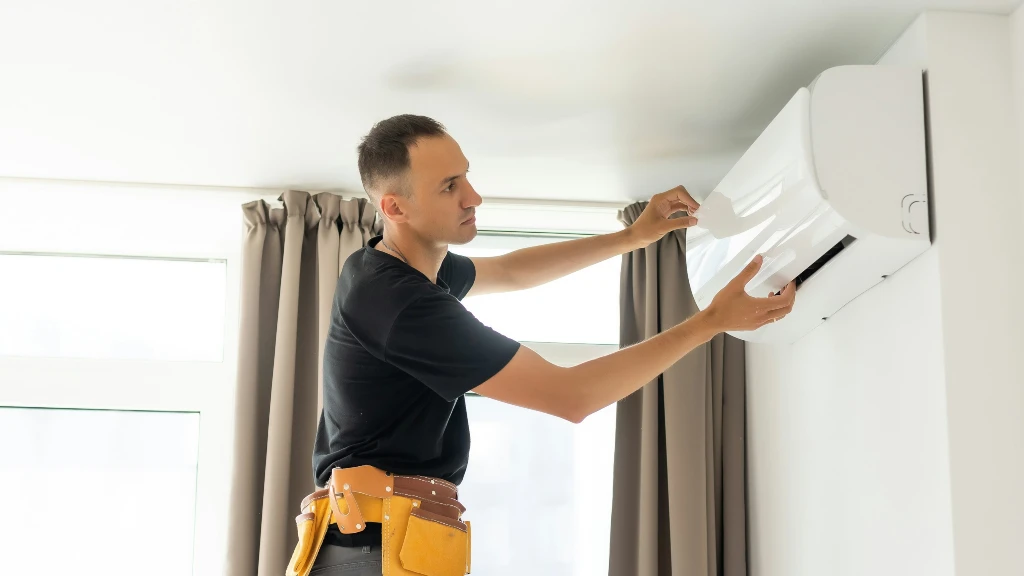
Try these maintenance tips out to increase your unit’s efficiency and performance:
☑ Replace disposable HVAC filters as often as the manufacturer suggests (more often during Oklahoma allergy season).
☑ Wash reusable filters like foam filters or aluminum mesh on schedule.
☑ Use a pre-filter to extend the life of your main filter.
☑ Check MERV ratings before upgrading to a higher MERV rating to make sure your system can handle the pressure drop.
☑ Keep return vents and cabin air filters clean to prevent dust buildup.
Achieve Cleaner Air By Becoming an M Service Member
At Heritage Services, our air conditioning engineers and techs make optimal filter performance and good indoor air quality easy. Our M Servicesmembership includes scheduled maintenance for your HVAC system, air filtration system, and air purifiers so you don’t have to keep track of replacement dates or worry about missing a filter change.
If you’re in Oklahoma City or nearby, call us today and start breathing cleaner air every day!