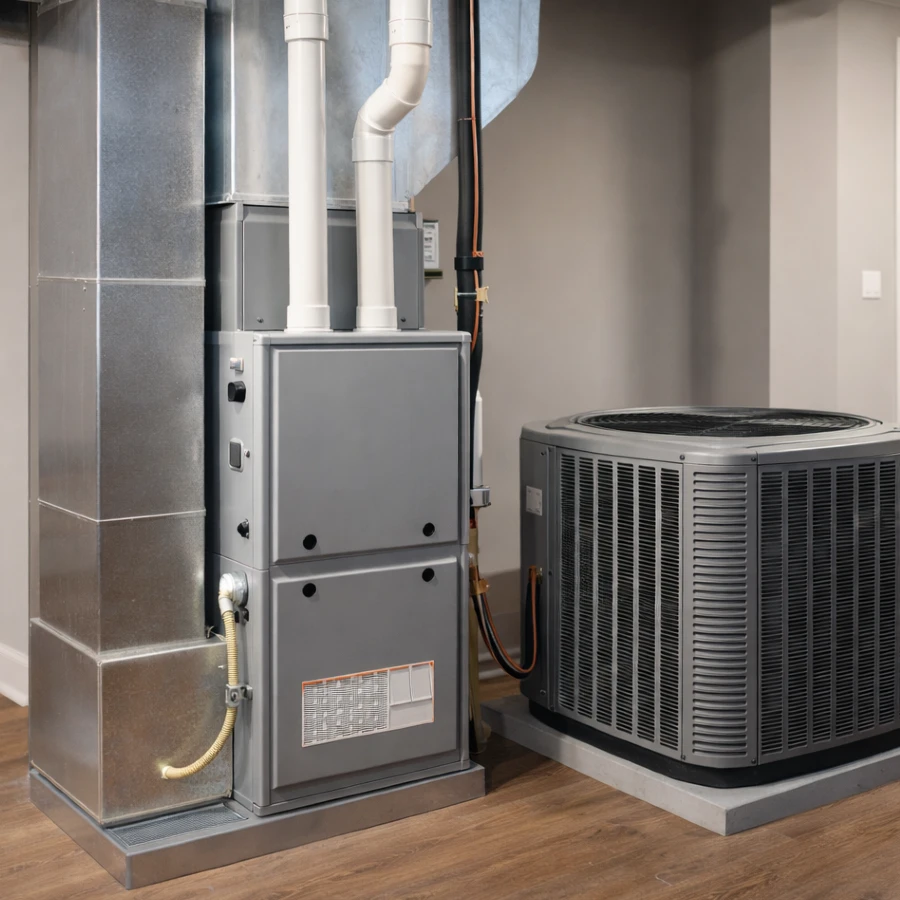
One of the simplest things you can do to avoid water heater trouble (and expensive repairs) is to drain your water heater regularly.
One of the simplest things you can do to avoid water heater trouble (and expensive repairs) is to drain your water heater regularly. At Heritage Services, we’ve been providing water heater maintenance to the OKC metro since 1967, and we can’t overstate the importance of draining your tank every once in a while. We want to help you keep your heater functional, so we’ve put together a guide on how to drain a hot water heater safely and properly.
Why Should You Regularly Drain Your Water Heater?

In Oklahoma City, water tends to carry a decent amount of minerals like calcium and magnesium. As time passes, those minerals settle at the bottom of your tank, building up into a layer of sediment.
This sediment buildup does a few things:
- It insulates water from the heating element, which makes your water heater less efficient at heating water. This means you’ll likely have higher electricity usage and bills.
- It takes up space in the tank, leaving you with less hot water than you think you have.
- It can make odd banging or popping noises as water bubbles up through the sediment.
- The worst case is that it shortens the lifespan of your water heater or causes rust-colored water to come out when you have your hot water faucet open.
Regularly draining your water heater tank clears out all that gunk. This way, you can make sure your system remains efficient and reliable for many years.
If your water supply has hard water (many areas in Oklahoma do), we recommend doing this once a year. Some might even do it every six months, especially if they start noticing cloudy water or odd noises coming from the tank.
Tools and Materials You’ll Need
For water heater draining, make sure you have the following:
- A garden hose
- A flathead screwdriver
- A bucket (optional)
- Towels or old rags
- Rubber gloves (if you’re dealing with dirty water or buildup)
9 Steps to Drain a Hot Water Heater

These steps apply mainly to traditional tank-style water heaters (both gas and electric water heaters). After this section, we’ll also explain what to do if you have a tankless unit.
Step 1: Turn Off the Power or Gas Supply
Electric Water Heater: In your breaker box, you’ll find a switch for your water heater unit. Switch it off. This is important because you don’t want heating elements to run in an empty tank and cause damage.
Gas Heater: Find the temperature dial or control knob near the bottom of ther tank. Turn it to “Pilot” or “Off,” depending on your model. This will turn off the burner safely.
Step 2: Shut Off the Cold Water Supply
On top of the tank, you’ll see two water lines: one hot, one cold. The cold one usually has a valve. Turn it clockwise until it stops. This halts the flow of new water through the cold inlet.
Step 3: Let the Water Cool Down
The water in your tank can reach up to 120°F or more, and that’s a safety hazard. Let the tank sit for a few hours after you turn it off, or run a hot faucet (like a bathtub faucet or shower) in your home to let the tank empty partially and fill with cooler water.
Step 4: Hook Up a Garden Hose to the Drain Valve
At the bottom of your water heater, you’ll find a little spout with a valve on it. That’s your drain valve. Screw your garden hose onto that valve and make sure it’s a snug fit. Also, make sure the other end of the hose is directed to a spot where hot water and mineral chunks can safely drain, such as a floor drain, driveway, or even a bucket or drain pan. Don’t use the hose that you use for gardening because sediment might cling to the inside of that hose.
Step 5: Open a Hot Water Faucet
Go to any sink in your home and open the hot water side. This lets air flow into the system while water drains out, so you’re not fighting a vacuum. It also helps you track when the tank’s filling up again later.
Step 6: Open the Drain Valve
Next, carefully turn the drain valve or water valve using your hand or a screwdriver. Water should start flowing through the hose. If nothing comes out despite the open valve, the pipes or valve might be blocked by sediment. In that case, try gently tapping the side of the tank. Another option is to attach an air compressor to the pressure relief valve port.Or, you can call a plumbing professional to sort it out for you.
If water does come out, let it fully drain. This could take anywhere from 15-45 minutes, depending on how much sediment has built up and how big your tank is.
Step 7: Do a Quick Flush (Optional)
Once the water has stopped, turn the cold water supply back on for a few seconds with the drain valve still open. This stirs up the last bits of sediment and flushes them out. Let it drain again, and repeat this until the water coming out runs clear. This can help a lot, especially if you’ve skipped regular draining for a while.
Step 8: Close the Valve and Refill the Tank
When the water runs clear, turn off the drain valve and remove the hose. Make sure you re-seal it properly and tightly. Now, turn the cold water supply back on. Keep the water tap open (the one you turned on earlier). Wait for a steady stream of water to come out without air sputtering. This means your tank is full and ready to go.
Step 9: Turn the Power or Gas Back On
Electric Heater: Flip the breaker back on. It will take around an hour for the water to heat back up fully.
Gas Heater: Turn the control knob back to “On.” If your pilot light went out, relight it following the sticker instructions on the side of the tank (or check the manufacturer’s website if the sticker is worn out).
What About Tankless Water Heaters?

Tankless water heaters don’t store water the same way, so you’re not exactly draining a tank. But getting rid of the unit’s sediment and debris buildup is still an important part of its maintenance that you shouldn’t skip.
This is what the process usually looks like:
- Turn off the unit and water supply valves.
- Connect the hoses to the flush valves (these are usually installed during setup).
- Use a submersible pump and a bucket filled with a descaling solution, like white vinegar or a commercial flush solution.
- Run the solution through the system for 45 minutes to a full hour.
- Rinse the system with water before restoring the water flow and power.
Many homeowners call in professional plumbers like Heritage Services for tankless heater maintenance. We’ve handled hundreds of them across Edmond, Oklahoma City, and nearby areas, so don’t hesitate to reach out if you’d like to schedule a service with us.
Tips to Keep Your Water Heater in Great Shape

Test the Pressure Relief Valve
Once a year, lift the little lever on top of your T&P valve (usually near the top side of the tank). It should release a quick burst of water. If it doesn’t, it may need to be replaced.
Look for Rust or Moisture
If you spot rust around the base or notice puddles, that could mean your tank is corroding. It’s best to get it checked before a full leak appears.
Insulate Your Tank and Pipes
Especially in colder months, a little insulation can help keep heat loss down and your system much more efficient and energy-saving.
Need Professional Help? Call Heritage Services Today
Draining your water heater is an important maintenance step, but not everyone has the time (or interest) to do it. If you’d like a professional plumber to handle it for you, give us a call!
Aside from maintenance, we also provide water heater replacement, repair, and new installation services. So, whether you’ve got rusty pipes or need to change some water heater parts, you can trust our team to do the job. We’ve got over five decades of experience and expertise, so you can’t go wrong with Heritage Services.
Want to learn more about our services? Feel free to visit our website!